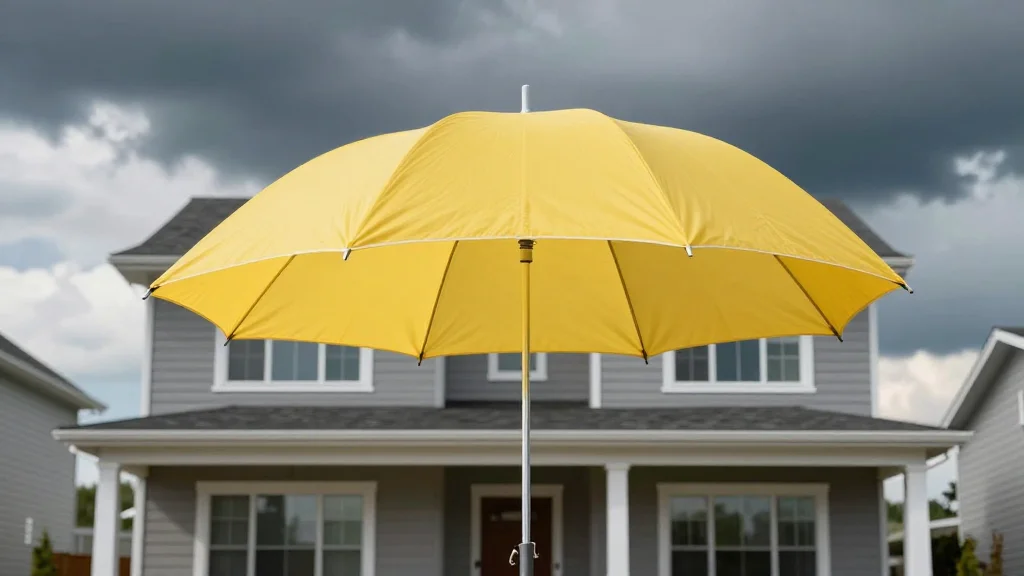
Guide Urges Homeowners to Prep Insurance Claims Ahead of Summer Storms

Why It Matters
Preparing insurance claims before a disaster reduces the time households spend without essential services and mitigates the financial shock of delayed payouts. For insurers, smoother claim flows translate into lower operational expenses and fewer litigation risks, especially when adjuster teams are stretched thin. The broader insurance market stands to gain from heightened consumer awareness. When policyholders engage proactively, insurers can allocate resources more efficiently, potentially lowering premiums over time as loss ratios improve. Moreover, the guidance aligns with regulatory pushes for greater transparency in policy language, reinforcing consumer protection goals.
Key Takeaways
- •NPR released a three‑step guide for claim readiness on May 25, 2026.
- •First step: create a detailed, cloud‑based inventory of personal property.
- •Second step: review policy limits, deductibles, and exclusions before storms.
- •Third step: establish direct communication channels with insurers ahead of time.
- •Adjuster workloads typically rise 30‑40% during summer disaster season.
Pulse Analysis
The timing of NPR’s guide reflects a growing recognition that claim efficiency is a competitive differentiator for insurers. Historically, insurers have focused on post‑event response, but the shift toward pre‑emptive consumer education signals a strategic pivot. Companies that integrate claim‑readiness tools—such as mobile inventory apps—into their policy offerings can capture a loyalty advantage, especially among younger, tech‑savvy homeowners.
From a market perspective, the guide could accelerate adoption of digital loss‑adjustment platforms that automate evidence collection. Insurers that partner with tech firms to provide policyholders with integrated documentation portals may see faster claim cycles and lower fraud rates. Conversely, carriers that rely on legacy, paper‑based processes risk higher operational costs and customer dissatisfaction during peak periods.
Looking forward, regulators may formalize some of these best practices, mandating that insurers provide clear claim‑readiness checklists at policy inception. If such standards become widespread, the industry could see a measurable reduction in claim processing times, translating into better loss ratios and potentially more stable pricing for consumers.
Guide Urges Homeowners to Prep Insurance Claims Ahead of Summer Storms
Comments
Want to join the conversation?
Loading comments...