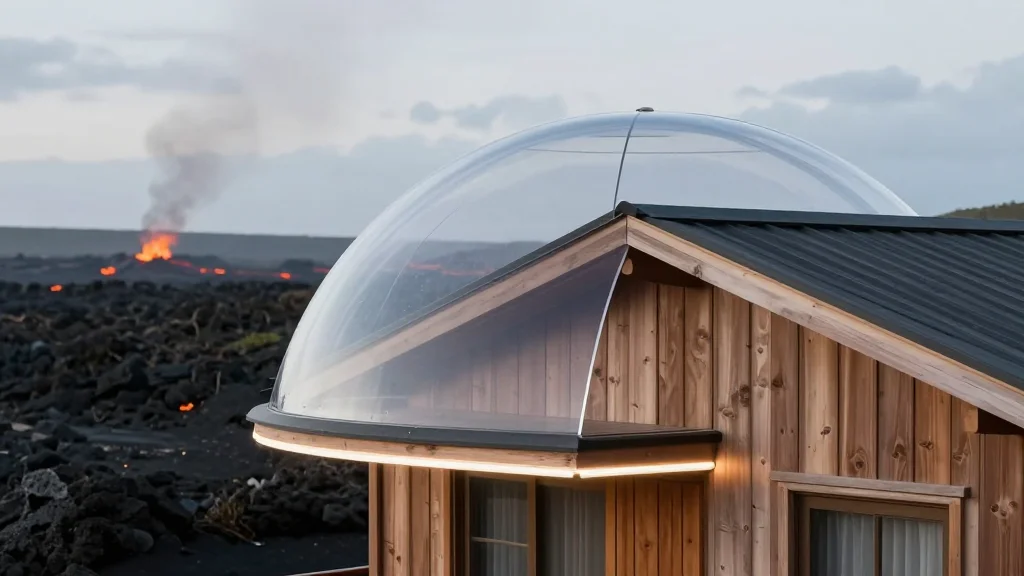
Hawaii Senate Committee Halts Lava‑Zone Insurance Fund, Calls for Study

Why It Matters
The Senate’s decision to replace a direct subsidy with a study highlights a fundamental tension in disaster‑prone regions: how to protect homeowners without undermining private insurance markets. A successful fund could set a precedent for other states grappling with climate‑related hazards, while a failure may push more risk onto the state insurer of last resort, increasing fiscal exposure for taxpayers. Moreover, the debate underscores the need for data‑driven policy in an era where extreme events are becoming more frequent and costly. For the insurance industry, the outcome will affect underwriting practices, reinsurance costs, and the overall risk pool in Hawaii. Insurers may adjust pricing models or withdraw from high‑risk zones altogether, prompting a cascade of affordability challenges. Conversely, a well‑designed subsidy could stabilize premiums, preserve the private market, and reduce reliance on government backstops, fostering a more resilient insurance ecosystem.
Key Takeaways
- •Senate Committee on Commerce and Consumer Protection voted unanimously to amend House Bill 20 on March 24
- •Original bill would have created a lava‑zone insurance fund to subsidize premiums for zones 1 and 2
- •Insurance Commissioner Scott Saiki warned the subsidy raises regulatory, fiscal, and market concerns
- •Rep. Greggor Ilacan, sponsor of the bill, expressed disappointment but will support a required study
- •A Legislative Reference Bureau study will be presented at a Senate hearing in early May
Pulse Analysis
The committee’s move reflects a cautious legislative approach to disaster‑risk financing. Historically, Hawaii has relied on the Hawaii Property Insurance Association as a safety net after private insurers balked at high‑risk exposures. The 2018 Kilauea eruption exposed the limits of that model, prompting lawmakers to consider a targeted subsidy. By deferring to a study, the Senate buys time to quantify the fiscal impact and avoid a blunt, potentially costly subsidy that could set a precedent for other high‑risk locales.
From a market perspective, insurers are likely to interpret the amendment as a signal that the state will not intervene abruptly in pricing. This could encourage private carriers to stay engaged in the lava‑zone market, albeit with higher premiums that reflect true risk. However, if the study ultimately recommends reinstating the fund, insurers may need to adjust underwriting assumptions to accommodate a hybrid public‑private risk pool. The outcome will also influence reinsurance rates, as reinsurers assess the likelihood of state backstops.
Politically, the amendment underscores the bipartisan nature of the issue—both Democrats and Republicans recognize the need to protect residents while safeguarding the state’s budget. The upcoming May hearing will be a litmus test for whether consensus can be built around a data‑driven solution. If the study finds the subsidy fiscally viable, we could see a modest, means‑tested program that targets the most vulnerable homeowners without distorting the broader market. If not, the state may need to explore alternative mechanisms, such as tax credits or expanded capacity for the insurer of last resort, to prevent a wave of unaffordable policies that could destabilize the housing market in volcanic zones.
Hawaii Senate Committee Halts Lava‑Zone Insurance Fund, Calls for Study
Comments
Want to join the conversation?
Loading comments...