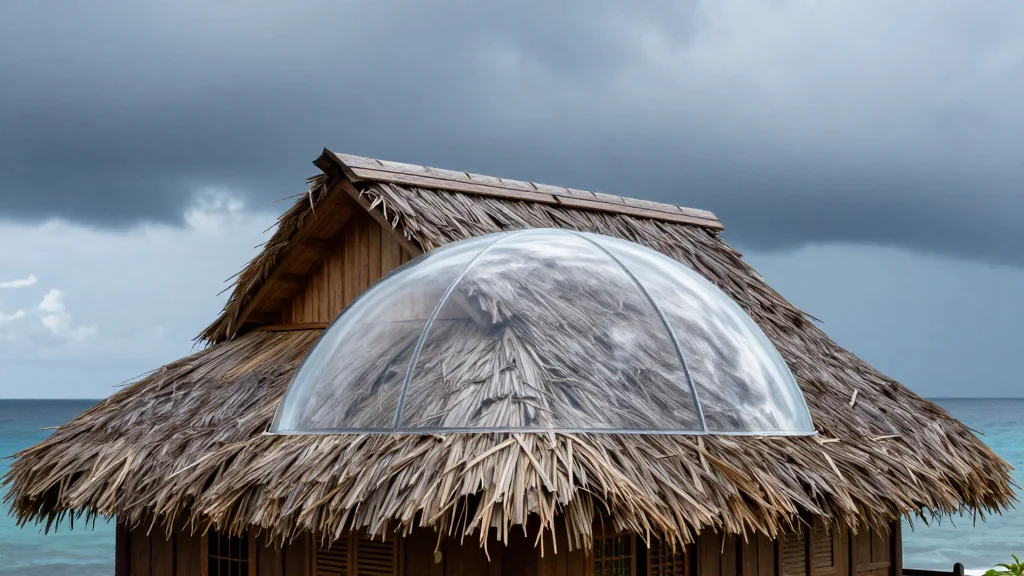
Hawaii’s Climate Disasters Deepen Home Insurance Gaps as Premiums Surge

Why It Matters
The widening insurance gap in Hawaii threatens to leave a large share of the population financially vulnerable to increasingly frequent climate events. With only 4.2% of homes carrying flood insurance, the state faces a potential surge in uninsured losses that could overwhelm emergency funds and depress property values. For the broader insurance industry, Hawaii serves as a bellwether for how island economies and other high‑risk regions might grapple with climate‑induced premium spikes, reinsurance scarcity, and the need for public‑private partnership solutions. Addressing these gaps is also a test of policy innovation. Successful interventions—such as state‑backed reinsurance pools or targeted premium subsidies—could become templates for other jurisdictions confronting similar climate‑risk dynamics. Conversely, failure to act could accelerate market exits, driving up costs further and prompting a cascade of uninsured exposure across the United States.
Key Takeaways
- •Kona-low storms in March caused extensive flood damage to hundreds of properties across Hawaii.
- •Insurance Fairness Project reports home‑insurance premiums rose over 50% since the 2023 Maui wildfires.
- •Only 4.2% of Hawaii properties carry flood insurance, leaving the majority exposed to flood losses.
- •Farmers lack suitable insurance; federal crop insurance excludes most small, diversified Hawaiian farms.
- •State officials caution premium figures may reflect limited data but acknowledge rising market pressure.
Pulse Analysis
Hawaii’s insurance crunch illustrates a classic climate‑risk feedback loop: as extreme events become more frequent, insurers raise rates or withdraw, which in turn pushes risk onto homeowners and the public sector. The 50% premium surge cited by the Insurance Fairness Project, even if not statewide, signals that insurers are already recalibrating pricing models to reflect heightened catastrophe exposure. This mirrors trends seen in coastal U.S. markets where reinsurance costs have spiked, prompting a wave of policy cancellations and the emergence of state‑run insurance entities.
The low flood‑insurance uptake—4.2%—is symptomatic of both affordability barriers and eligibility constraints within the NFIP. In many states, mandatory flood endorsements have been used to boost coverage, but Hawaii’s unique topography and limited land parcels make a one‑size‑fits‑all approach impractical. A targeted state‑backed reinsurance pool could spread risk more evenly, lower premiums, and incentivize insurers to offer flood endorsements. However, such mechanisms require legislative will and fiscal backing, which may be challenged by competing budget priorities.
Looking ahead, the market’s response will hinge on data transparency. The Insurance Division’s call for caution underscores a data gap that hampers accurate pricing and policy design. If regulators can compile granular loss data from the Kona‑low events, insurers could develop more nuanced, risk‑based pricing that avoids blanket premium hikes. Meanwhile, policymakers must balance market discipline with consumer protection, perhaps by subsidizing flood coverage for low‑income households or creating a public‑private insurance hybrid. The outcome will shape not only Hawaii’s resilience but also set a precedent for other climate‑vulnerable regions grappling with insurance affordability and availability.
Hawaii’s Climate Disasters Deepen Home Insurance Gaps as Premiums Surge
Comments
Want to join the conversation?
Loading comments...