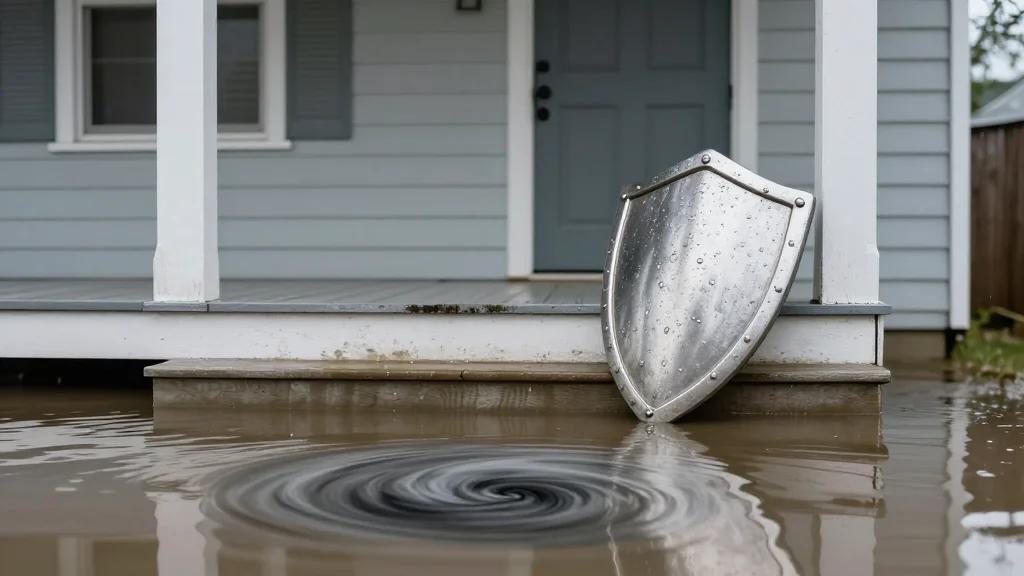
Hurricane Season 2026 Looms as Insurers Brace for Flood Claims Amid Texas Legislative Gaps

Why It Matters
The 2026 hurricane season forecast, combined with Texas’s chronic failure to enact flood‑mitigation legislation, creates a dual pressure point for the insurance industry. Insurers must balance the need to maintain affordable coverage with the rising cost of claims driven by increasingly frequent and severe flood events. Policyholders who neglect to review or upgrade their flood coverage risk being under‑insured, while insurers that misprice risk could face solvency challenges and heightened regulatory scrutiny. Beyond individual losses, the situation underscores a broader policy dilemma: without legislative reforms that limit development in high‑risk zones, insurers will continue to shoulder the financial fallout of preventable disasters. This dynamic could accelerate the shift toward more innovative risk‑transfer mechanisms, such as catastrophe bonds and parametric policies, reshaping how flood risk is priced and managed across the United States.
Key Takeaways
- •AccuWeather forecasts 11‑16 named storms and up to four major hurricanes for the 2026 Atlantic season.
- •Texas has at least 650,000 structures in flood‑prone areas, the second‑highest count after Florida.
- •Over five dozen flood‑safety bills have been rejected by Texas lawmakers, according to ProPublica and The Texas Tribune.
- •Flood insurance claims in Texas rank among the nation’s highest since 1980, trailing only Florida and Louisiana.
- •Insurers are promoting elevation incentives, parametric products, and community mitigation partnerships ahead of the season.
Pulse Analysis
The convergence of an aggressive hurricane outlook and entrenched legislative inertia in Texas creates a perfect storm for the property‑and‑casualty sector. Historically, insurers have relied on a mix of underwriting discipline and reinsurance to absorb flood losses, but the sheer volume of at‑risk structures—over 650,000 in Texas alone—means that even a modest uptick in storm activity can trigger a cascade of claims that outpace traditional risk models. The failure to adopt elevation standards or restrict development in floodplains not only inflates exposure but also erodes the actuarial assumptions that underpin premium pricing.
From a market perspective, we can expect insurers to tighten underwriting in the most vulnerable counties, potentially withdrawing coverage from the highest‑risk parcels or imposing higher deductibles. This will likely accelerate the adoption of parametric flood solutions, which offer quicker payouts and reduce administrative costs. Moreover, the heightened focus on mitigation—elevated homes, green infrastructure, and community levees—could become a differentiator for carriers that can bundle these services with insurance products, appealing to both regulators and cost‑conscious consumers.
Looking ahead, the upcoming NOAA seasonal outlook will be a critical catalyst. If the forecast leans toward a higher number of major hurricanes, insurers may pre‑emptively adjust rate filings for the 2026‑2027 underwriting cycles, prompting state regulators to scrutinize rate adequacy and consumer affordability. Conversely, a quieter season could provide a brief reprieve, but the underlying legislative gaps in Texas suggest that flood risk will remain a chronic challenge. Stakeholders—policyholders, insurers, and lawmakers—must align on a forward‑looking mitigation agenda; otherwise, the insurance market will continue to bear the brunt of preventable losses, driving premiums higher and potentially leaving vulnerable homeowners under‑protected.
Hurricane Season 2026 Looms as Insurers Brace for Flood Claims Amid Texas Legislative Gaps
Comments
Want to join the conversation?
Loading comments...