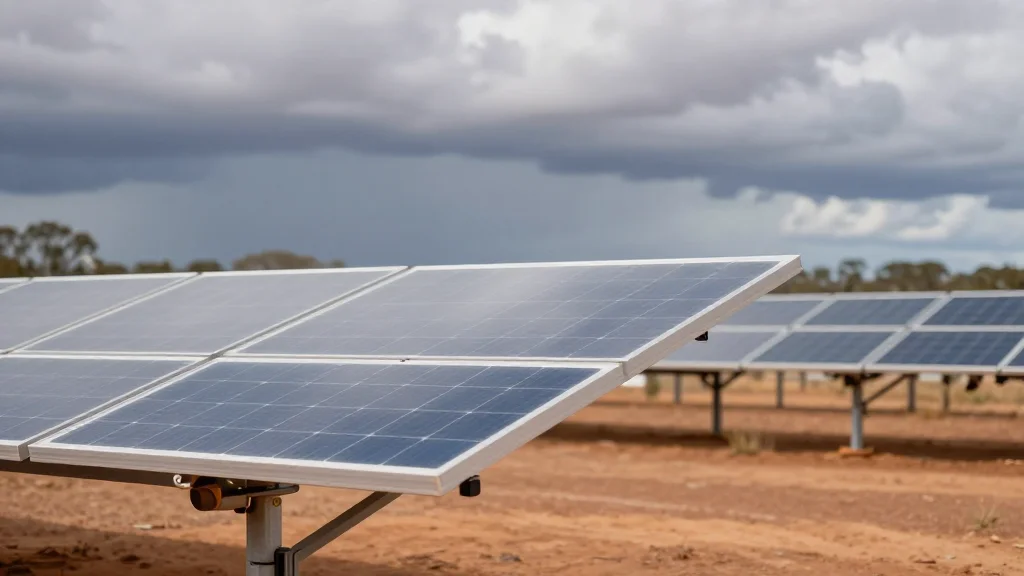
Insurance Premiums Trending Down Despite Severe Weather Threat for Solar
Why It Matters
Lower premiums improve project economics, encouraging further renewable investment, but lingering catastrophe risk keeps insurers cautious. The evolving insurance landscape will shape financing terms for Australia’s fast‑growing solar and battery sectors.
Key Takeaways
- •Solar insurance premiums in Australia decline slowly due to catastrophe risk
- •Battery storage premiums drop faster thanks to better operational data
- •Large‑scale solar capacity grew from 350 MW (2017) to over 13 GW (2025)
- •Contractor errors are decreasing, reducing construction risk for solar projects
- •BESS claims are complex, with higher cleanup costs than wind or solar
Pulse Analysis
The Australian renewable energy insurance market is entering a rare phase of premium contraction, driven by improved loss data and a maturing project pipeline. Tokio Marine GX, formerly GCube, projects that 2026 will see lower rates for solar, wind and battery installations, but the pace varies. Battery energy storage systems benefit from granular performance metrics, allowing underwriters to price risk more precisely and pass savings to developers. In contrast, solar assets remain tied to natural‑catastrophe exposure—particularly hail—so insurers are trimming premiums more cautiously.
Extreme weather has intensified globally, and Australia’s rapid solar rollout amplifies the exposure. From a modest 350 MW of utility‑scale PV in 2017, the nation now boasts over 13 GW installed, with an additional 3‑4 GW under construction. This ten‑fold increase means tens of millions of panels sit in regions prone to storms, prompting insurers to balance lower premiums with the potential for high‑severity loss events. Nonetheless, improvements in hail‑mitigation technology and a decline in contractor‑error incidents are easing underwriting concerns, supporting the downward premium trend.
Battery storage introduces new complexities for insurers. While BESS projects diversify revenue streams, they also generate more intricate claims and higher cleanup costs compared with wind or solar. Supply‑chain constraints, installation challenges, and limited historical loss data add uncertainty to long‑term pricing. As the sector gains operational experience, insurers will refine models, but stakeholders should anticipate a cautious approach to premium reductions until loss patterns become clearer. This nuanced environment underscores the importance of robust risk management for investors seeking to capitalize on Australia’s renewable energy surge.
Insurance premiums trending down despite severe weather threat for solar
Comments
Want to join the conversation?
Loading comments...