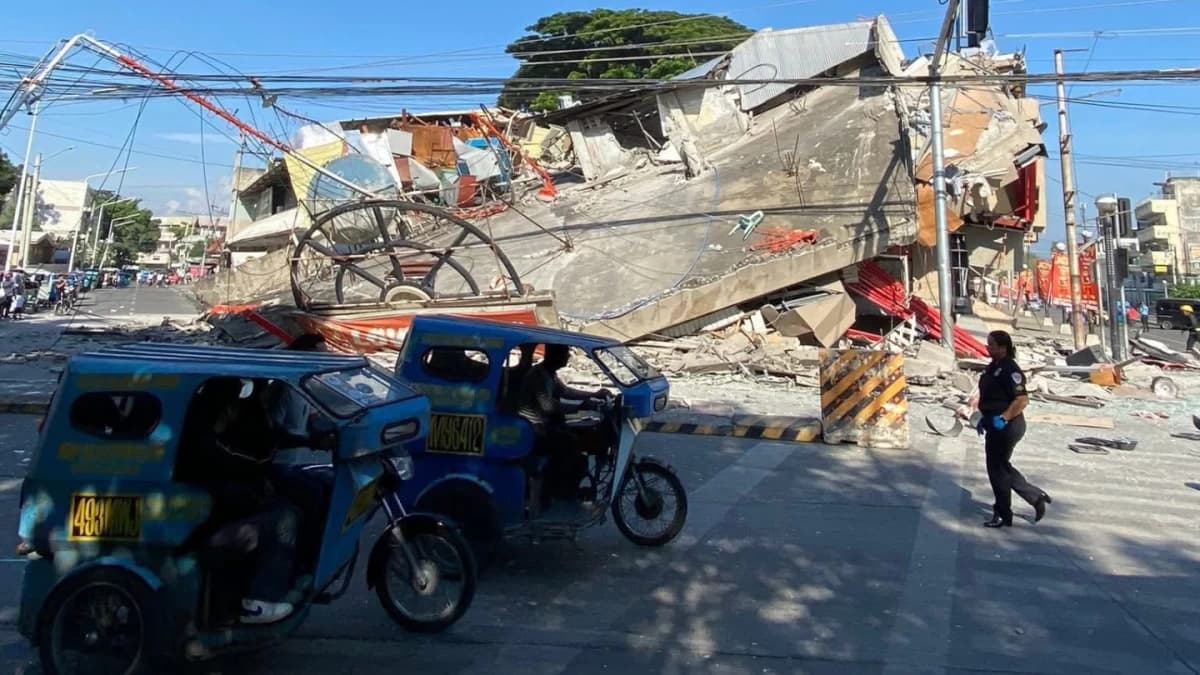
Insurers Bracing for ‘Unquantifiable’ Losses After Mindanao Quake
Companies Mentioned

Why It Matters
Catastrophe insurance readiness will affect recovery speed after the quake, while high transaction fees and payment‑system inefficiencies erode consumer confidence and economic competitiveness in the Philippines.
Key Takeaways
- •PIRA readies to settle earthquake claims, losses still unquantified
- •Magnitude 7.8 quake hit Mindanao, causing widespread structural damage
- •IMF flags Philippine retail transaction fees $0.18‑$0.45, higher than peers
- •Payments Network of the Philippines launched to unify clearing systems
- •wCBDC pilot may lower settlement costs and boost cross‑border efficiency
Pulse Analysis
The Philippines sits on the Pacific Ring of Fire, making large‑scale earthquakes a recurring threat. After the recent 7.8‑magnitude shock in Mindanao, insurers led by PIRA are mobilizing resources to assess damage and settle claims, but the scale of loss remains uncertain. This event underscores the importance of robust catastrophe‑insurance penetration, which can provide a financial safety net for households and businesses, limiting the economic fallout and accelerating reconstruction.
Separately, the International Monetary Fund has highlighted that Filipino consumers face retail transaction fees of about $0.18 to $0.45 per transfer—significantly above the zero‑fee models common in neighboring markets like Singapore’s PayNow. The disparity stems from a fragmented clearing landscape, where legacy operators such as BancNet and the Philippine Clearing House Corp historically imposed duplicate settlement charges. The recent merger into the Payments Network of the Philippines (PNPI) aims to streamline processing, but the transition will take time to translate into lower consumer costs.
Looking ahead, the IMF and the Bangko Sentral ng Pilipinas are exploring a wholesale central‑bank digital currency (wCBDC) to modernize high‑value payments. By creating a shared, token‑based settlement layer, a wCBDC could reduce inter‑bank friction, lower cross‑border transaction costs, and support tokenized government bonds. Successful pilots would not only address the fee inflation highlighted by the IMF but also bolster the Philippines’ broader financial‑technology agenda, positioning the country for more resilient, inclusive growth.
Insurers bracing for ‘unquantifiable’ losses after Mindanao quake
Comments
Want to join the conversation?
Loading comments...