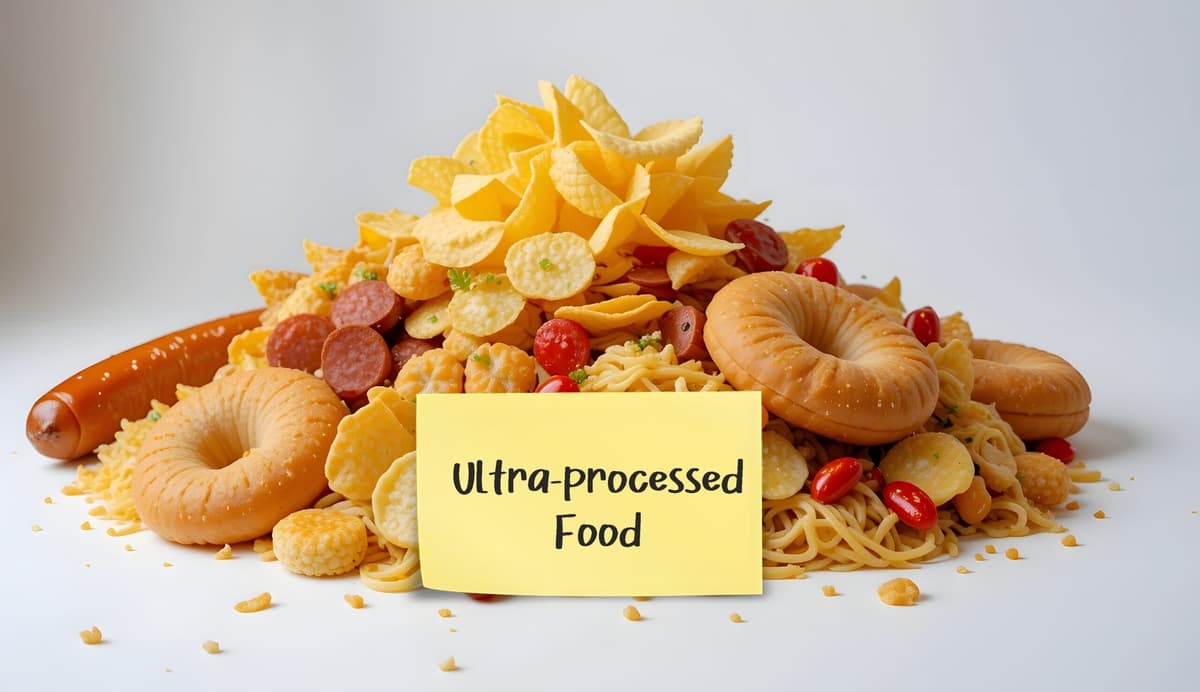
Is Risk the Main Ingredient in Ultra-Processed Food?
•February 17, 2026
0
Why It Matters
The shift signals a new class of health‑related liability that could reshape underwriting, pricing, and capital allocation for insurers and investors alike.
Key Takeaways
- •Ultra‑processed foods linked to chronic diseases and cancers
- •CDC reports children obtain 62% daily calories from them
- •Litigation mirrors tobacco and opioid mass‑tort trajectories
- •Insurers must shift from contamination to health‑impact models
- •Aggregation risk spans manufacturers, suppliers, retailers, advertisers
Pulse Analysis
Convenience‑driven consumption of ultra‑processed foods has surged, especially in households pressed for time. The Nova classification, introduced in 2009, separates these items from minimally processed foods, highlighting their heavy reliance on additives, preservatives, and industrial formulations. Recent epidemiological studies connect this category to metabolic disorders, endocrine disruption, and several cancers, while a CDC report released in August 2025 found that children derive roughly 62% of their daily calories from such products. This mounting health evidence is reshaping public perception and prompting regulatory scrutiny.
For casualty insurers, the emerging risk profile diverges sharply from traditional food‑related exposures. Historically, underwriting centered on contamination, recall, and labeling incidents—short‑term, observable events with clear loss histories. The new wave of litigation, however, targets long‑tail health outcomes, echoing the mass‑tort dynamics seen in tobacco and opioid cases. Early lawsuits—ranging from individual product liability claims to population‑level public‑nuisance actions—create aggregation risk that spans manufacturers, ingredient suppliers, retailers, and even advertisers. Insurers must therefore develop forward‑looking actuarial models that incorporate epidemiological data, latency periods, and potential class‑action settlements, a complex shift from reliance on historical loss experience.
The broader market implications are profound. Reinsurers may demand higher capital buffers, and primary insurers could adjust premiums or introduce new exclusions for ultra‑processed food exposure. Investors are watching the sector for signals of heightened liability, which could affect valuation of food conglomerates and supply‑chain partners. Regulators may also tighten labeling standards and marketing restrictions, further influencing risk assessments. Ultimately, insurers that quickly integrate health‑impact analytics into underwriting will gain a competitive edge, while those lagging risk exposure to costly, unforeseen claims.
Is Risk the Main Ingredient in Ultra-Processed Food?
0
Comments
Want to join the conversation?
Loading comments...