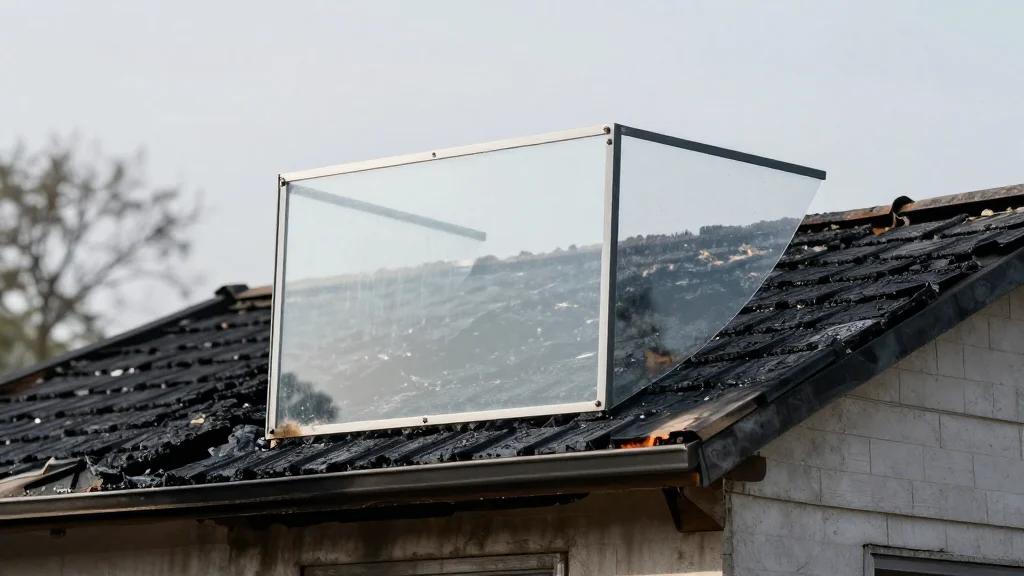
LA Fire Survivors Face Financial Crisis as Insurance Payouts Run Dry

Why It Matters
The survey spotlights a systemic weakness in catastrophe‑insurance coverage that leaves a growing segment of fire‑affected Californians financially vulnerable. As climate‑driven wildfires become more frequent, insurers may face escalating claim volumes that outstrip traditional policy limits, prompting calls for regulatory reform and innovative risk‑sharing solutions. The equity gaps revealed—particularly among low‑income and minority households—raise questions about the adequacy of existing safety‑net programs and the need for targeted assistance to prevent a wave of long‑term homelessness. Furthermore, the rebuilding cost shortfalls underscore a looming affordability crisis for homeowners in high‑risk areas. If insurers and policymakers do not act, the gap could translate into abandoned properties, depressed property values, and increased pressure on local governments to provide emergency shelter and social services, amplifying fiscal strain on municipalities already stretched thin by disaster response.
Key Takeaways
- •Almost 50% of LA fire survivors have run out of temporary housing insurance payments.
- •Low‑income households (≤$50k income) face an 80% likelihood of unaffordable housing after coverage ends.
- •Rebuilding cost gaps average $600,000, with some areas needing up to $1.73 million beyond insurance.
- •Racial disparities: 22% of Latino and 18% of Black survivors cut back on food versus 7% of white survivors.
- •One‑in‑five survivors report significant financial hardship; 40% have taken on debt.
Pulse Analysis
The Department of Angels’ survey arrives at a critical juncture for the U.S. property‑insurance market. Historically, wildfire insurance has relied on a mix of private carriers and state‑backed pools, but the scale of the 2025 Los Angeles fires has exposed the fragility of that model. Insurers are now confronting a dual challenge: underwriting higher loss exposure while maintaining affordable premiums for a market already strained by climate risk. The data suggest that current policy limits are insufficient for modern reconstruction costs, a mismatch that could accelerate the shift toward larger, state‑sponsored reinsurance facilities or mandatory coverage enhancements.
From a policy perspective, the findings could catalyze legislative action. California’s pending wildfire insurance fund, originally designed to stabilize premiums, may need to expand its scope to cover temporary housing longer and bridge the rebuilding gap. Lawmakers might also consider incentivizing private insurers to offer higher limits through tax credits or risk‑sharing arrangements, similar to the federal Terrorism Risk Insurance Act model. Failure to act could result in a cascade of uninsured losses, driving up premiums for all policyholders and potentially prompting a market exit by some carriers.
For the affected communities, the human dimension is stark. The survey’s qualitative insights—particularly Mendoza’s remarks about the emotional toll—highlight that financial distress is intertwined with mental health and community stability. Nonprofit loan programs, while valuable, cannot scale to meet demand without broader systemic support. As the state debates reforms, the pressure will be on to design solutions that are both fiscally sustainable and equitable, ensuring that the most vulnerable are not left to rebuild alone.
LA Fire Survivors Face Financial Crisis as Insurance Payouts Run Dry
Comments
Want to join the conversation?
Loading comments...