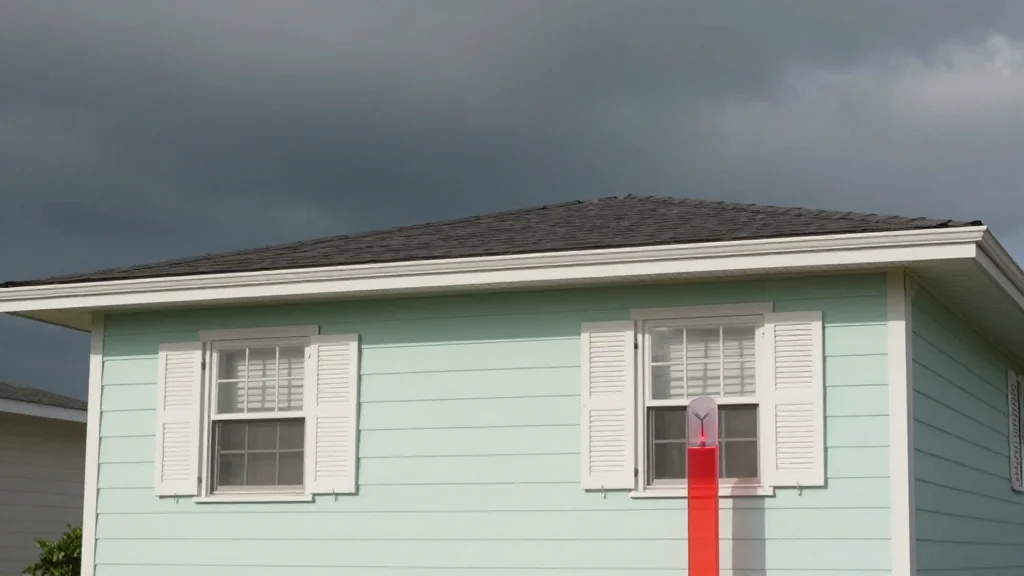
Miami Homeowners Face 1,100% Premium Surge, Many Opt Out of Coverage

Why It Matters
The premium explosion and rising uninsured rates expose a systemic vulnerability in Florida’s property insurance market. Lenders, homeowners and the broader economy face heightened risk of loss, which could translate into higher default rates and fiscal strain on local governments if uninsured damages require public assistance. Moreover, the trend signals a potential retreat of private insurers from high‑risk regions, reshaping the national reinsurance landscape. If left unchecked, the uninsured surge could erode consumer confidence and trigger a feedback loop: fewer insured homes increase the likelihood of catastrophic losses, prompting insurers to raise rates further or withdraw entirely. Regulatory interventions now could stabilize pricing, preserve market capacity, and protect both homeowners and the financial system from cascading shocks.
Key Takeaways
- •Miami-area homeowners see premium hikes exceeding 1,100%, with quotes up to $12,000 annually.
- •Average 2025 Florida property insurance premiums range from $5,000 to $6,000.
- •15% of Florida homeowners lack any property insurance; 19% are uninsured according to a 2024 study.
- •Premiums have risen nearly double the national average from 2021‑2025.
- •Lenders risk increased exposure as more borrowers drop windstorm coverage.
Pulse Analysis
The Florida insurance crisis is a textbook case of market failure driven by climate risk and pricing distortion. Historically, insurers have relied on actuarial models that assumed a relatively stable frequency of major hurricanes. However, the last decade’s surge in storm intensity, coupled with soaring reconstruction costs, has rendered those models obsolete, prompting carriers to either exit the market or impose prohibitive rates. The result is a classic supply‑demand imbalance: demand for coverage remains high, but supply has contracted sharply.
Regulators face a delicate balancing act. Over‑regulation could deter new entrants, while under‑regulation may leave consumers exposed. Innovative solutions—such as catastrophe bonds, public‑private reinsurance pools, and incentivized resilient construction—could expand capacity without inflating premiums. The upcoming legislative session in Tallahassee is likely to focus on these mechanisms, as lawmakers grapple with the political fallout of a growing uninsured electorate.
For investors, the crisis presents both risk and opportunity. Insurtech firms that can leverage data analytics to better price windstorm exposure, or that offer modular policies separating windstorm from other perils, may capture market share. Conversely, legacy carriers with significant Florida exposure could see their balance sheets strained, prompting strategic divestitures or capital raises. The next hurricane season will be a litmus test for whether market adjustments or policy interventions can restore equilibrium.
Miami Homeowners Face 1,100% Premium Surge, Many Opt Out of Coverage
Comments
Want to join the conversation?
Loading comments...