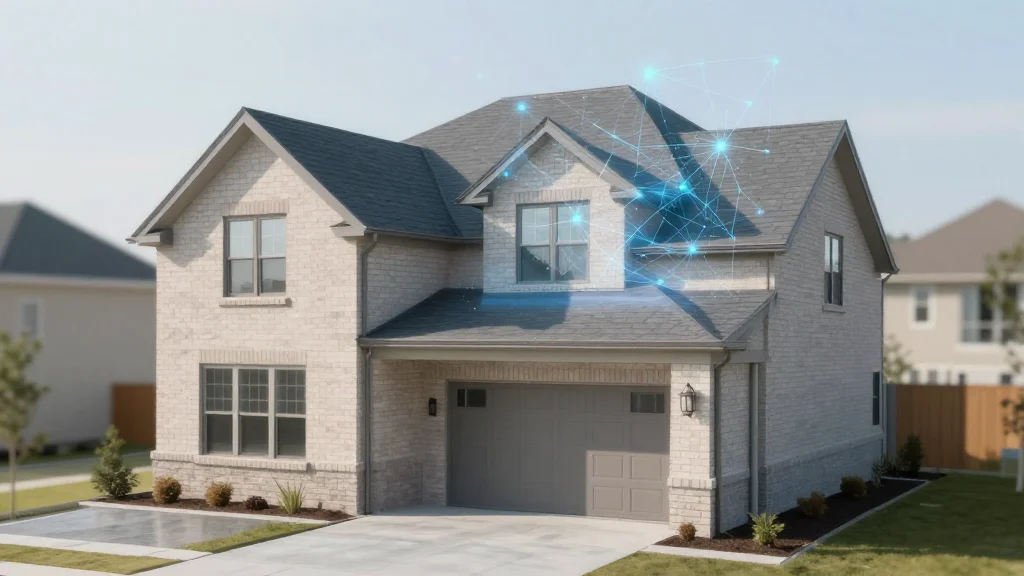
Moody's Study Shows AI‑Enriched Property Data Shifts Risk Ratings for 45% of U.S. Homes

Companies Mentioned
Why It Matters
The Moody's analysis demonstrates that AI‑enhanced property data can fundamentally alter how insurers price and manage convective storm risk, a peril that accounts for billions in annual losses. By exposing hidden heterogeneity within portfolios, insurers can target underwriting resources more efficiently, potentially lowering loss ratios and improving capital efficiency. However, the redistribution of risk also raises questions about equity, as properties previously deemed low‑risk may see premiums rise, while others benefit from lower rates. If carriers adopt these enriched models broadly, the competitive landscape could shift toward firms that invest early in AI data pipelines. Insurers lagging behind may face higher reinsurance costs or reduced market share as clients gravitate toward more accurately priced policies. The study also signals a regulatory frontier, where oversight bodies may require disclosure of AI‑driven rating factors to ensure fair treatment of policyholders.
Key Takeaways
- •AI‑enriched property attributes cause 15%+ risk rating swings for 45% of U.S. homes
- •226,000 locations saw material loss increases; 266,000 saw decreases after enrichment
- •Portfolio‑wide average annual loss for severe convective storms fell about 5%
- •Texas modeled loss dropped ~11% due to widespread roof upgrades and brick veneer
- •Case study in Aurora, CO showed a 62% loss increase vs. a 23% decrease between similar homes
Pulse Analysis
Moody's white paper arrives at a moment when insurers are scrambling to modernize legacy catastrophe models that rely heavily on coarse, static inputs. The 15% swing figure is not just a statistical curiosity; it represents a seismic shift in the actuarial assumptions that drive pricing, capital allocation, and reinsurance treaties. Historically, insurers have used broad regional loss factors, smoothing out local variations. AI enrichment collapses that smoothing, exposing micro‑level risk pockets that can either amplify or dampen exposure.
From a competitive standpoint, carriers that can ingest and operationalize these enriched data streams will likely achieve a dual advantage: more accurate pricing that protects margins, and a differentiated underwriting narrative that can be marketed to risk‑aware customers. Early adopters may also negotiate better terms with reinsurers, who will view the refined risk profile as a reduction in uncertainty. Conversely, firms that cling to legacy models risk over‑pricing low‑risk properties—potentially driving customers to more agile rivals—or under‑pricing high‑risk homes, exposing themselves to unexpected loss spikes.
Regulators will play a pivotal role in shaping how quickly the industry embraces AI enrichment. Transparency requirements could force insurers to disclose the specific AI‑derived factors influencing rates, which may slow adoption if firms fear competitive leakage. Yet the pressure to improve loss ratios and meet capital adequacy standards may outweigh those concerns. In the next 12‑18 months, we can expect a wave of pilot programs, industry consortiums on data standards, and possibly new guidance from state insurance departments on the ethical use of AI in rating. The net effect will likely be a more granular, data‑rich underwriting ecosystem that reshapes risk transfer across the entire insurance value chain.
Moody's Study Shows AI‑Enriched Property Data Shifts Risk Ratings for 45% of U.S. Homes
Comments
Want to join the conversation?
Loading comments...