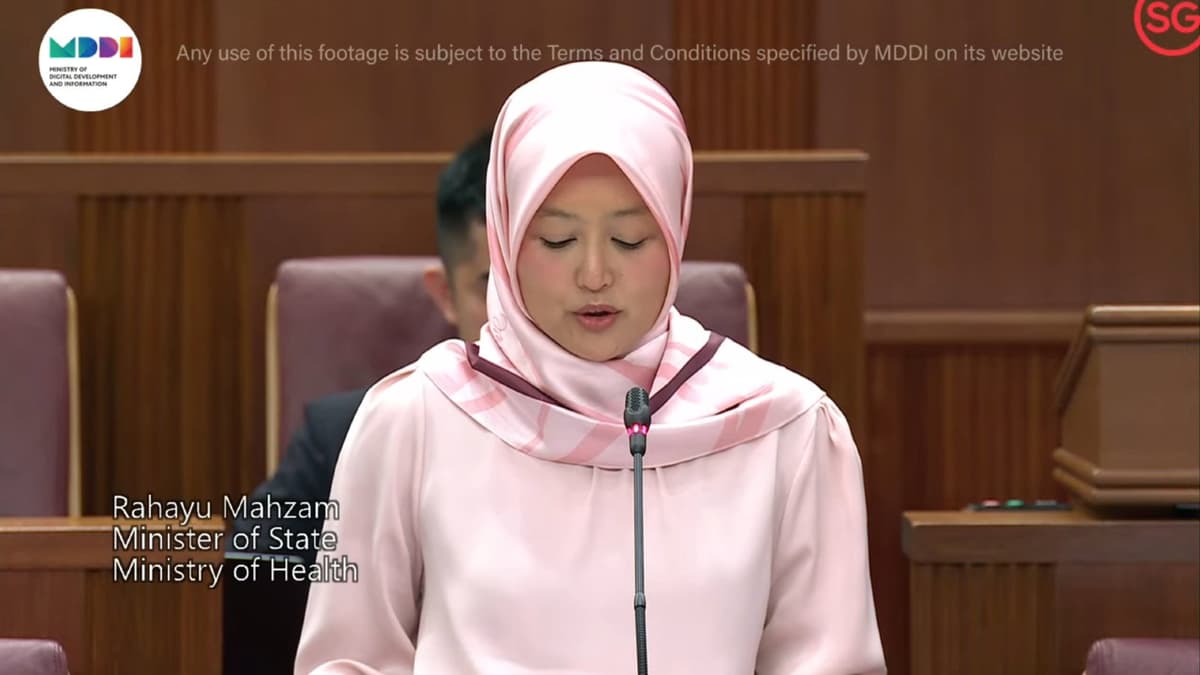
New IP Rider Rules Could Lower Premiums Despite Rising Private Healthcare Costs, MOH Says
Why It Matters
The new rider framework offers substantial cost relief for Singaporeans facing steep private‑health insurance hikes, while underscoring the balance between regulatory oversight and market‑driven pricing.
Key Takeaways
- •New IP rider framework cuts premiums 35‑40% for switchers
- •Private hospital IP premiums rose 8.6% annually (2021‑2024)
- •Rider premiums grew faster, averaging 17.2% yearly
- •MOH will not intervene in insurers’ commercial pricing decisions
Pulse Analysis
Singapore’s healthcare financing landscape is under pressure as private‑hospital Integrated Shield Plan (IP) premiums have risen sharply in recent years. Between December 2021 and December 2024, base IP premiums climbed an average of 8.6% per annum, while the ancillary rider components—designed to boost coverage beyond MediShield Life—jumped 17.2% annually. This upward trajectory has sparked parliamentary scrutiny, with lawmakers questioning whether insurers will offset new rider savings by inflating base rates. The Ministry of Health (MOH) maintains that while it sets fundamental parameters such as co‑payment and deductible levels, it refrains from dictating commercial pricing, leaving insurers free to adjust premiums in response to market dynamics.
The revised rider framework, effective 1 April 2026, aims to restore affordability by offering policyholders a 35%‑40% premium reduction when they transition to the new structure. This incentive is significant for Singaporeans who rely on private insurance to cover unsubsidised hospital costs, especially as MediShield Life continues to provide a safety net for large bills. By decoupling rider pricing from base premium hikes, the government hopes to deliver tangible savings without compromising the financial sustainability of the schemes. The policy also reinforces transparency requirements: insurers must notify customers of any term changes at least 30 days in advance, and the Monetary Authority of Singapore (MAS) retains enforcement powers to curb unfair claims handling.
For insurers, the new rules present both a challenge and an opportunity. While they must navigate tighter pricing expectations, they can also differentiate themselves through value‑added services and efficient claims processing. The presence of the Financial Industry Disputes Resolution Centre (FIDReC) offers an independent avenue for policyholders to resolve disputes, adding a layer of consumer protection. Looking ahead, the balance between regulatory oversight and market freedom will shape the evolution of Singapore’s private health insurance sector, influencing pricing strategies, product innovation, and ultimately, the affordability of quality healthcare for residents.
New IP rider rules could lower premiums despite rising private healthcare costs, MOH says
Comments
Want to join the conversation?
Loading comments...