NTSB Renews Call for DOT-111 Tanker Car Replacement After Midwest Derailment
Why It Matters
Accelerating the retirement of DOT‑111 cars reduces the risk of hazardous‑material releases, protecting communities and limiting costly environmental damage. The NTSB’s recommendations could reshape rail safety regulations and compel railroads to invest in upgraded equipment and inspection technology.
Key Takeaways
- •NTSB urges faster phase‑out of DOT‑111 tank cars
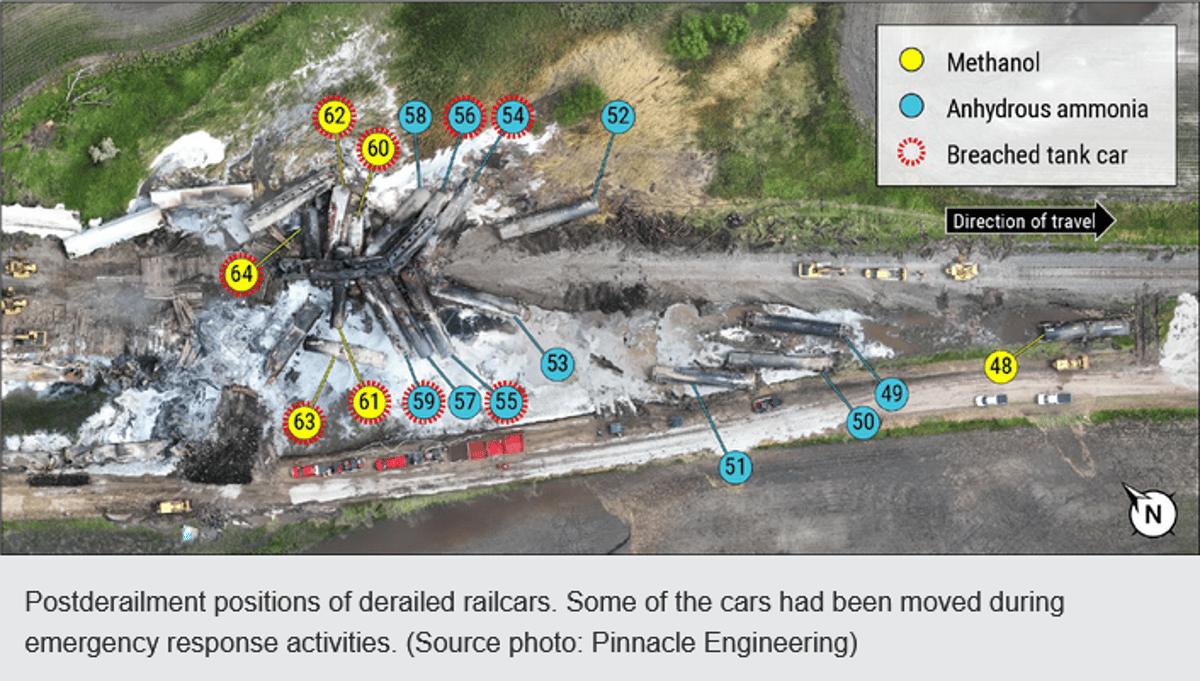
- •29 cars derailed; 9 hazardous tanks breached, no injuries
- •DOT‑117R retrofits fail to match safety of new DOT‑117J
- •New PHMSA guidance recommended for pressure‑relief devices
- •CPKC must inspect culverts internally with cameras or foot
Pulse Analysis
The DOT‑111 tank car, a workhorse of North American freight rail since the 1970s, has long been criticized for its thin shell and limited protection against puncture. Past accidents, most notably the 2023 Norfolk Southern derailment in Ohio, have exposed the model’s vulnerabilities when carrying flammable or toxic commodities. The NTSB’s renewed push to retire these cars reflects a broader industry shift toward more robust designs like the DOT‑117J, which feature thicker shells, enhanced thermal protection, and improved pressure‑relief systems.
The Bordulac derailment underscores the real‑world consequences of outdated equipment. When a broken rail caused by a collapsed culvert sent a CPKC freight train off the tracks, 17 hazardous‑material tank cars were involved, releasing methanol and anhydrous ammonia. While the fire was contained and no one was injured, the incident highlighted how a single infrastructure failure can trigger a cascade of chemical releases, posing acute health risks and environmental contamination. The incident also revealed that retrofitted DOT‑117R cars, essentially modified DOT‑111s, do not achieve the safety performance of purpose‑built DOT‑117J units.
In response, the NTSB has issued a suite of recommendations targeting both equipment and operational practices. It urges the Pipeline and Hazardous Materials Safety Administration to issue guidance on optimal pressure‑relief devices and to set new thermal‑performance criteria that prevent cargo release during engulfing pool fires. Coordination with the Association of American Railroads aims to define safer separation distances between toxic and flammable cargoes. Finally, the board calls on CPKC to overhaul culvert inspections, employing internal cameras or foot patrols to detect hidden defects. If adopted, these measures could dramatically lower the likelihood of future hazardous‑material incidents and set a new safety benchmark for the rail industry.
NTSB Renews Call for DOT-111 Tanker Car Replacement After Midwest Derailment
Comments
Want to join the conversation?
Loading comments...