Companies Mentioned
Why It Matters
Mis‑priced physical risk can erode asset values, inflate financing costs, and undermine insurance coverage, making robust assessment essential for market stability.
Key Takeaways
- •Physical climate risk now viewed as top material risk for real estate.
- •Data providers deliver divergent flood and hazard models, creating valuation uncertainty.
- •Regulators and banks require transparent, granular risk metrics for loans and insurance.
- •Adaptation‑linked financing is rising, yet cost‑benefit quantification remains limited.
- •Resilience now includes business disruption and tenant impacts, not just asset damage.
Pulse Analysis
The rise of physical climate risk as a primary investment concern reflects a broader shift in real‑estate strategy. Investors are no longer satisfied with generic flood maps; they demand asset‑level hazard data that can be fed directly into cash‑flow models. The current ecosystem of private providers offers conflicting outputs, forcing portfolio managers to reconcile insurer assessments with their own risk frameworks. This data fragmentation hampers confidence, especially for cross‑border holdings where local regulatory guidance is sparse, and it fuels a growing appetite for standardized, transparent metrics.
Regulators and capital providers are responding with tighter disclosure requirements and sustainability‑linked loan structures that tie pricing to climate‑resilience outcomes. Insurers, constrained by short‑term underwriting horizons, are increasingly scrutinizing granular risk inputs to avoid under‑pricing exposure. At the same time, adaptation finance—such as resilience‑linked bonds and green loans—has surged, but the industry still wrestles with translating mitigation actions into measurable financial returns. Quantifying the cost of inaction, integrating adaptation capex into OPEX forecasts, and aligning these figures with risk‑adjusted discount rates are emerging as critical challenges for both lenders and asset owners.
Looking ahead, the sector’s next leap will hinge on harmonising data sources, building robust cost‑of‑adaptation models, and expanding the definition of resilience beyond structural damage to include tenant‑level business disruption. Collaborative standards, driven by regulators, insurers, and technology firms, can provide the validation needed to embed physical risk into core investment decisions. As climate scenarios become more frequent, firms that embed granular, transparent risk analytics into their valuation and financing processes will secure a competitive edge and protect long‑term asset value.
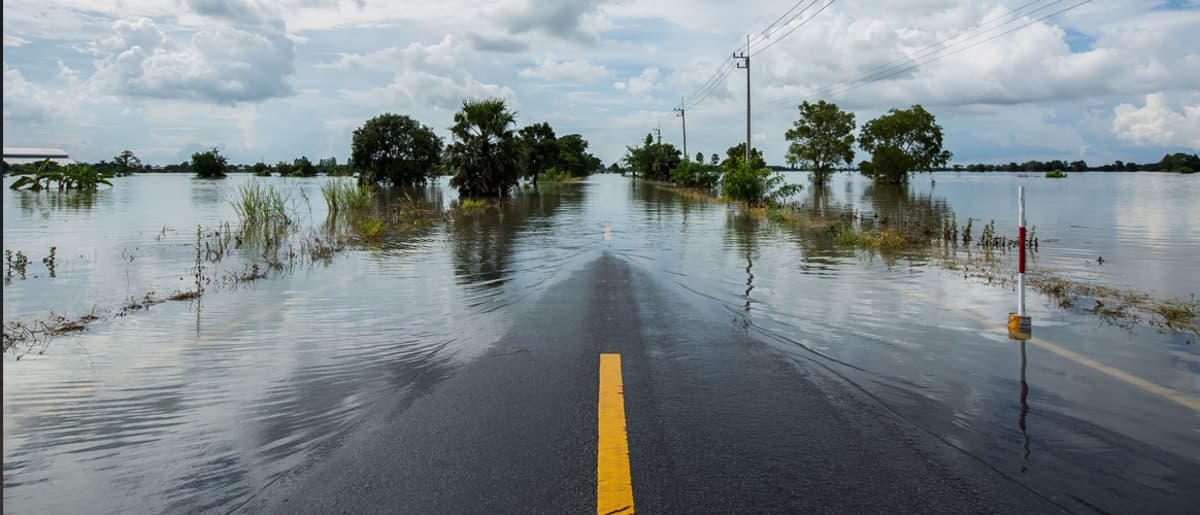
Real estate’s physical risk challenge
Comments
Want to join the conversation?
Loading comments...