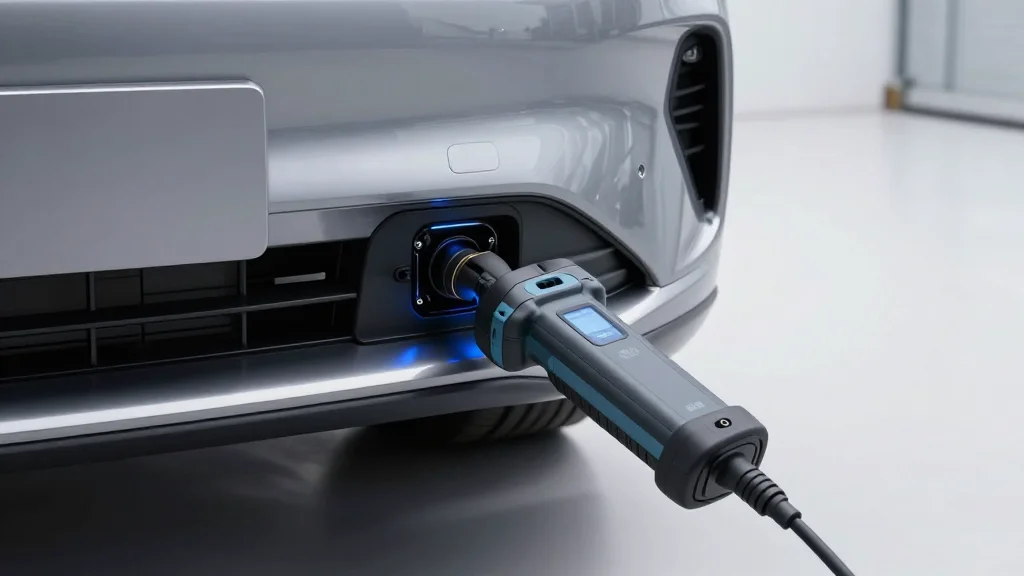
Relux Collision Mandates Electronic Scans Before and After Repairs, Shaking Up Auto‑Insurance Claims

Why It Matters
The requirement for pre‑ and post‑repair electronic scans directly addresses a blind spot in auto‑insurance underwriting: the hidden health of a vehicle’s software‑controlled safety systems. By forcing verification of ADAS functionality, insurers can more accurately assess risk, reduce the likelihood of post‑repair failures, and potentially lower the incidence of costly lawsuits stemming from undetected electronic faults. For policyholders, the mandate promises greater confidence that a repaired car is truly safe, which could translate into lower long‑term maintenance costs and fewer secondary accidents. Moreover, the move signals a broader industry shift toward integrating vehicle telematics and diagnostic data into the claims lifecycle. As manufacturers embed more software into cars, insurers that can harness this data will gain a competitive edge, offering faster payouts and more personalized pricing. Relux Collision’s policy may therefore act as a catalyst, prompting insurers, repair shops, and regulators to align on standards for electronic verification, ultimately reshaping the economics of collision repair and claim settlement.
Key Takeaways
- •Relux Collision now mandates electronic diagnostic scans before and after every collision repair.
- •The policy targets hidden ADAS faults that can affect braking, lane‑keeping, and airbag systems.
- •Major insurers partnering with Relux must incorporate scan reports into claim assessments.
- •Potential impact includes modest premium adjustments and longer claim processing times.
- •If adopted widely, the practice could become an industry standard for vehicle safety verification.
Pulse Analysis
Relux Collision’s scanning mandate arrives at a tipping point where vehicle software complexity outpaces traditional inspection methods. Historically, insurers have relied on visual damage estimates and manual part counts to settle claims. The introduction of mandatory electronic scans forces a data‑centric approach, mirroring trends in health insurance where electronic health records have become indispensable. This alignment could accelerate the development of standardized scan‑report formats, enabling insurers to automate parts of the adjudication process and reduce human error.
From a competitive standpoint, shops that invest early in advanced diagnostics may capture a premium segment of the market, positioning themselves as safety‑first providers. Insurers that partner with such shops can differentiate their policies with “verified electronic safety” endorsements, potentially attracting safety‑conscious consumers. However, the added cost of scans and calibrations could compress profit margins for both shops and carriers unless offset by reduced fraud and fewer post‑repair warranty claims. The net effect will likely be a modest premium uptick balanced by lower loss ratios over time.
Looking ahead, regulators may codify electronic verification as a requirement for all collision repairs, especially for vehicles equipped with Level 2 or higher ADAS. If that occurs, the industry could see a wave of investment in diagnostic equipment, training, and data‑exchange platforms. Insurers that proactively integrate these data streams into underwriting models will be better positioned to price risk accurately and offer dynamic, usage‑based insurance products that reflect a vehicle’s true post‑repair health. Relux Collision’s initiative, while localized, could thus be the first domino in a nationwide shift toward fully digital, data‑driven auto‑insurance ecosystems.
Relux Collision Mandates Electronic Scans Before and After Repairs, Shaking Up Auto‑Insurance Claims
Comments
Want to join the conversation?
Loading comments...