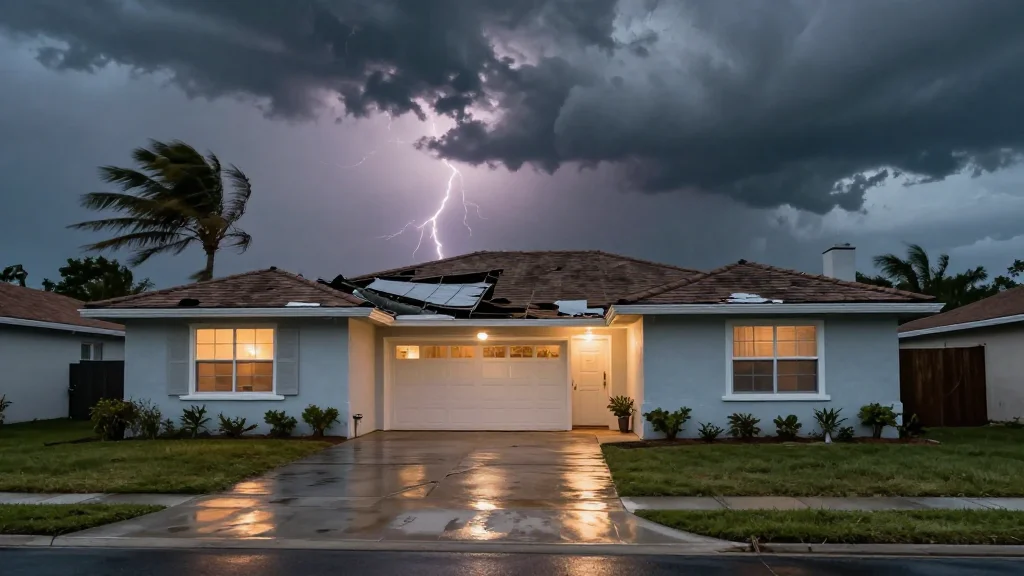
Rising Home‑Insurance Costs Drive 15% of South Florida Homeowners to Drop Coverage

Why It Matters
The surge in uninsured homes in a high‑risk region threatens to destabilize the property‑insurance market, where capacity is already constrained by climate‑related losses. A larger uninsured pool can lead to higher premiums for the remaining insured, creating a feedback loop that pushes more owners out of coverage. This dynamic also raises the specter of increased state-backed disaster assistance, shifting the fiscal burden from private insurers to taxpayers. Furthermore, the trend highlights the need for innovative risk‑transfer solutions, such as parametric policies or public‑private partnerships, to bridge the protection gap. Regulators may be compelled to revisit mandatory coverage requirements or incentivize affordable, tiered products that balance cost with essential protection.
Key Takeaways
- •Approximately 15% of mortgage‑free South Florida homeowners have dropped home‑insurance coverage.
- •Average premium for a $400,000 home in Miami‑Dade County can reach $10,000 per year.
- •Hurricane and wind coverage accounts for about 60% of the total premium.
- •Florida ranks third in the nation for home‑insurance costs, behind Nebraska and Louisiana.
- •Industry experts warn that rising uninsured rates could trigger higher premiums and tighter underwriting.
Pulse Analysis
South Florida’s insurance market is at a tipping point where cost pressures intersect with escalating climate risk. Historically, the state’s insurers have relied on a broad, mandatory‑coverage base to spread hurricane losses across thousands of policyholders. The current erosion of that base—driven by homeowners opting to self‑insure—undermines the risk‑pool model, forcing carriers to either raise rates or limit coverage. Both outcomes can accelerate the exodus of policyholders, especially those on the margin, and amplify the insurer’s exposure to catastrophic loss.
From a competitive standpoint, carriers that can innovate with lower‑cost, modular products may capture the segment of homeowners who are price‑sensitive yet still seek some protection. Parametric policies that pay out based on predefined triggers (e.g., wind speed thresholds) could offer a cheaper alternative to traditional indemnity coverage, reducing administrative overhead and claim disputes. Meanwhile, reinsurers are likely to tighten terms on hurricane reinsurance, driving up capital costs for primary insurers and further inflating premiums.
Looking ahead, regulators may intervene to preserve market stability. Options include mandating minimum wind coverage, offering premium subsidies for low‑income homeowners, or facilitating state‑backed reinsurance programs. The policy response will shape whether South Florida can maintain a viable private insurance market or increasingly rely on public assistance after each storm season.
Rising Home‑Insurance Costs Drive 15% of South Florida Homeowners to Drop Coverage
Comments
Want to join the conversation?
Loading comments...