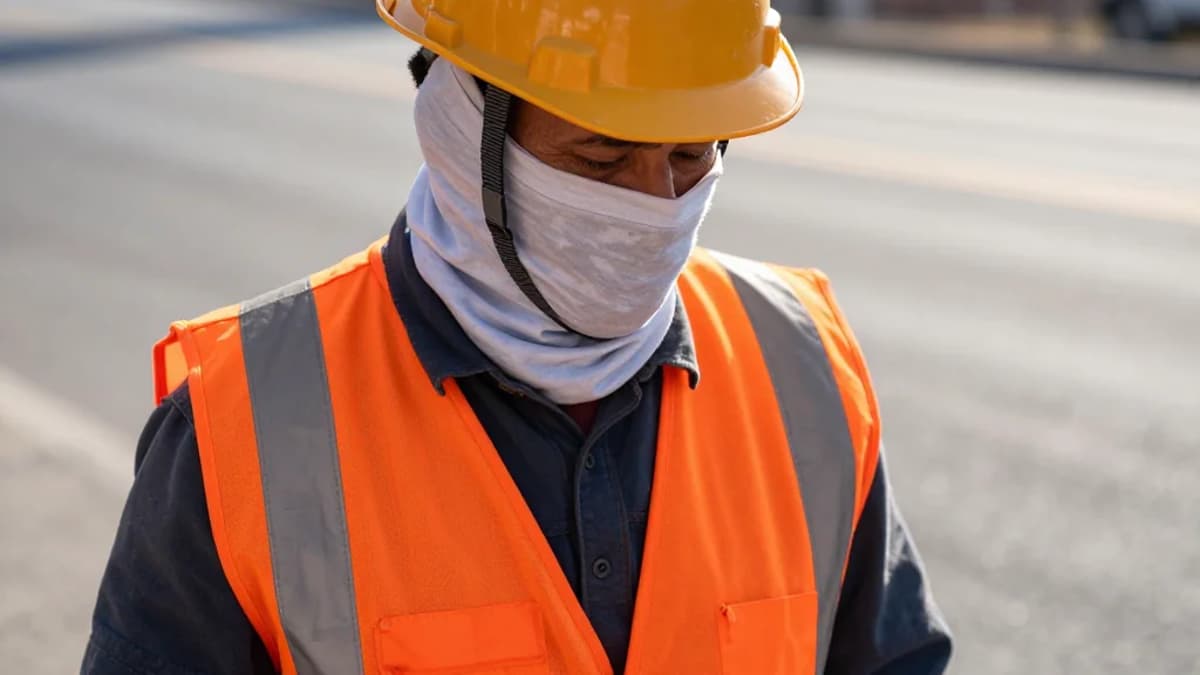
The Heat Is On: Keeping Workers Safe in a Changing Environment
•February 26, 2026
0
Why It Matters
Rising temperatures directly increase workplace injuries and fatalities, raising workers’ compensation costs and regulatory risk. Effective heat‑stress programs become a competitive advantage in talent‑tight, safety‑focused markets.
Key Takeaways
- •Heat‑related deaths doubled from 1999 to 2023
- •OSHA extended heat hazard inspections through April 2025
- •Construction and agriculture face highest heat stress risks
- •Wearable tech enables real‑time heat monitoring
- •Heat injuries raise workers' comp costs and liability
Pulse Analysis
The United States is experiencing unprecedented heat waves, with 2025 recorded as the fourth hottest year in a 131‑year climate record. NOAA data shows Nevada and Utah shattering all‑time highs, while a JAMA study documents a 117% jump in heat‑related deaths since 1999. These trends translate into tangible workplace hazards: fatigue, heat exhaustion, and stroke become commonplace, especially for outdoor laborers. The financial impact is evident in rising workers’ compensation claims and a surge in days away from work, prompting employers to treat heat safety as a core operational priority.
Regulators are responding with heightened scrutiny. OSHA’s National Emphasis Program, now extended through April 2025, has generated thousands of inspections and dozens of citations, while a proposed federal rule aims to codify heat‑injury prevention across indoor and outdoor settings. States such as California, Nevada, Washington, and Colorado already enforce stricter standards, creating a patchwork of compliance obligations. Companies that merely meet baseline requirements risk penalties and reputational damage; proactive risk assessments and documented heat‑control plans are becoming essential to avoid enforcement actions and to demonstrate a commitment to employee welfare.
Practical mitigation blends engineering controls, technology, and culture. Industry experts recommend water stations every 300 feet, shade structures, task rotation, and paid rest breaks once heat indices exceed 80‑90 °F. Emerging solutions like cooling vests, wearable temperature sensors, and real‑time alerts empower supervisors to intervene before conditions become dangerous. Consistent training reinforces these measures, turning safety protocols into a lasting workplace culture. When executed effectively, heat‑stress programs not only reduce injuries but also lower insurance premiums, improve productivity, and enhance talent attraction in a tight labor market.
The Heat is On: Keeping Workers Safe in a Changing Environment
0
Comments
Want to join the conversation?
Loading comments...