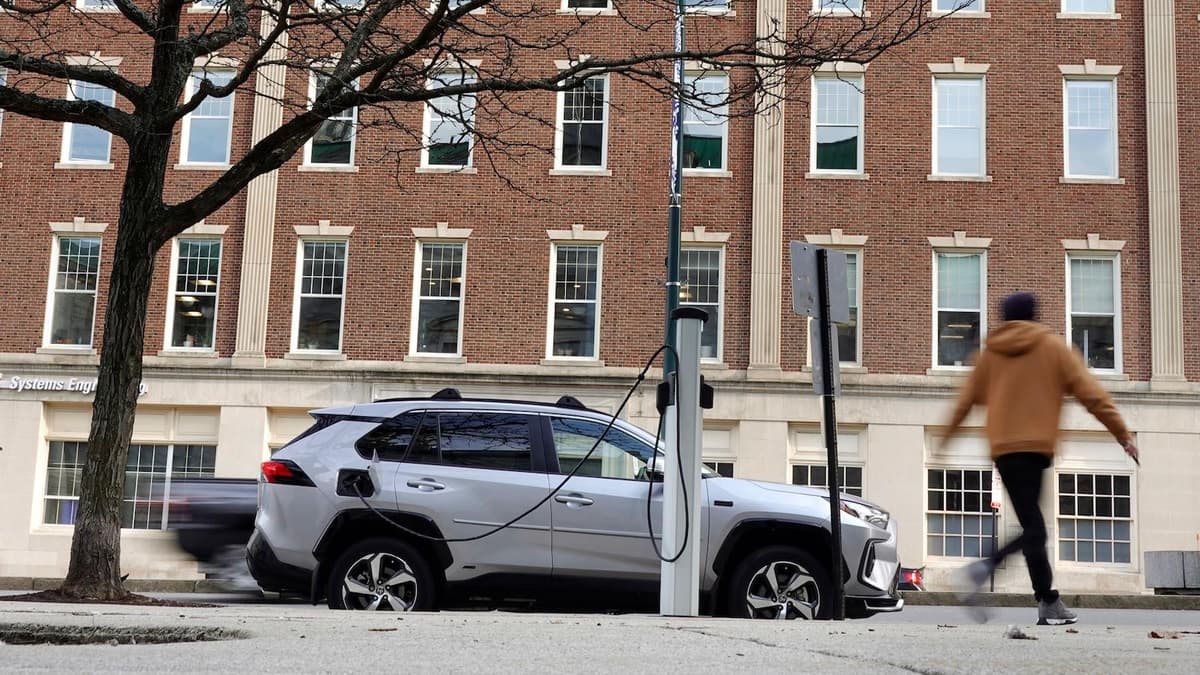
The Hidden Cost of Owning an EV: Expensive Insurance
Why It Matters
Higher insurance costs lengthen the payback period for EVs, potentially slowing consumer adoption and reshaping fleet‑ownership economics. Understanding these pricing factors helps automakers, insurers, and policymakers address barriers to broader electric mobility.
Key Takeaways
- •EV insurance averages $3,159 annually, about $1,000 higher than ICE cars.
- •Gap varies by state; DC shows $2,270 premium difference, Maine only $184.
- •Luxury EVs like Tesla and Audi exceed $4,000 yearly premiums.
- •Repair costs are ~15% higher for EVs due to batteries and electronics.
- •Insurers also weigh driver credit scores and accident history in rates.
Pulse Analysis
The rising insurance premium gap is reshaping the total cost of ownership for electric vehicles. While EVs deliver clear savings on fuel and routine maintenance, the $3,159 average annual premium—nearly a 42 percent premium over internal‑combustion counterparts—adds a hidden expense that can extend the breakeven horizon by several years. State‑level variations further complicate the picture; high‑density markets such as Washington, D.C., see premiums over $6,000, whereas regions with lower claim frequencies like Maine remain comparatively modest. For consumers weighing an EV purchase, these regional differentials can be decisive, especially when combined with financing costs and credit‑score considerations.
Underlying the premium disparity are structural and behavioral factors unique to electric drivetrains. Repair shops report roughly a 15 percent cost increase for EV work, driven by expensive battery modules, sophisticated electronics, and the need to remove high‑voltage packs before service. Vehicles lacking a traditional engine, such as the Ford F‑150 Lightning, require additional structural reinforcements that can boost repair bills by 30 percent. Insurers also factor driver demographics—credit history, accident rates, and usage patterns—into pricing models, meaning that affluent, low‑risk EV owners may still face higher base rates due to the intrinsic repair risk profile.
Looking ahead, the insurance landscape may soften as battery prices decline and repair data pools expand. Insurify notes a modest dip in the overall gap this year, partly because ICE repair costs are rising and insurers are actively courting EV owners with competitive offers from carriers like Lemonade, Root and GEICO. If these trends continue, the insurance premium could become a less prohibitive element of EV ownership, supporting broader market penetration and aligning with policy goals to accelerate electrification. Stakeholders should monitor evolving underwriting criteria and regional risk assessments to anticipate future cost trajectories.
The hidden cost of owning an EV: Expensive insurance
Comments
Want to join the conversation?
Loading comments...