U.S. Storms and European Flooding Drive Below-Average Q1 Catastrophe Losses
Companies Mentioned
Why It Matters
The sharp dip in overall catastrophe costs masks a heavy concentration of insured losses in the United States, highlighting regional exposure risks for insurers and the need for refined risk‑modeling. Understanding these patterns helps insurers price policies and reinsurers allocate capital more effectively.
Key Takeaways
- •Global Q1 disaster losses fell 43% to $37 billion.
- •U.S. insured losses comprised $16 billion, over 75% of global total.
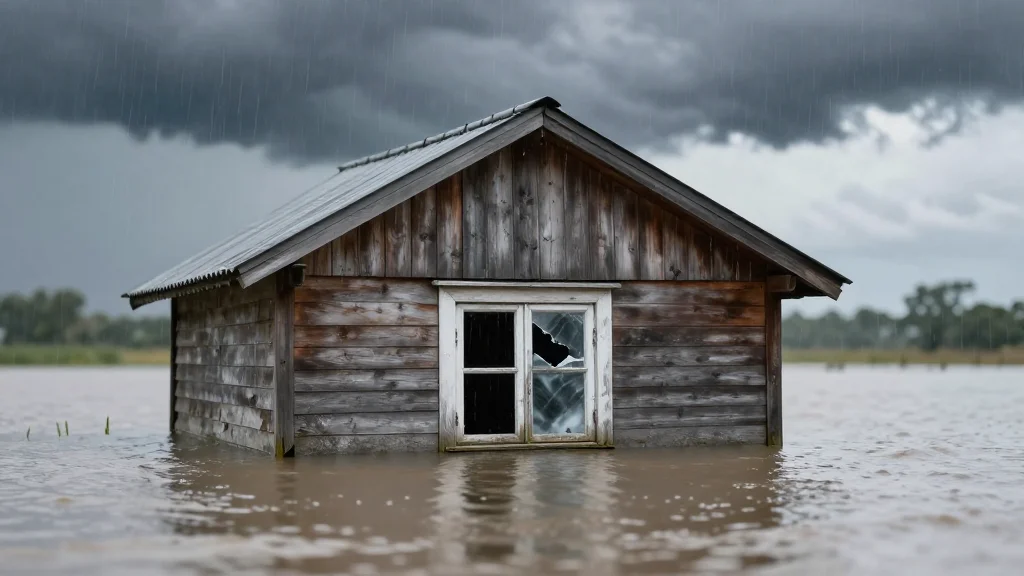
- •European floods and windstorms caused nearly $10 billion in damage.
- •Winter Storm Fern generated $4.6 billion economic loss, $3.5 billion insured.
- •March SCS outbreak produced $10.5 billion economic loss, record hail.
Pulse Analysis
The first quarter of 2026 marked an unusually mild period for natural‑disaster economics, with total losses dropping to $37 billion—well under the $64 billion historic mean. This decline reflects a quieter hurricane season and fewer high‑intensity events in traditionally vulnerable regions. For insurers, the lower aggregate loss translates into modest underwriting results, but the underlying risk landscape remains complex, as the insurance protection gap stayed near 46%, indicating that most exposed assets were still adequately covered.
A deeper look reveals that the United States shouldered the lion’s share of insured losses, contributing roughly $16 billion, or more than three‑quarters of the global total. Winter Storm Fern alone inflicted $3.5 billion in insured damage, driven by widespread pipe bursts and freeze‑related failures across the South‑Central and Southeast. The March SCS outbreak, amplified by a La Niña pattern, added $8.5 billion in insured losses, featuring record‑size hail and multiple EF‑3+ tornadoes. These events underscore the importance of granular, region‑specific modeling for U.S. carriers, especially as climate oscillations continue to influence storm severity.
Across the Atlantic, Europe experienced a cascade of floods and windstorms that together approached $10 billion in physical damage. While the insurance gap remained low, the concentration of losses in well‑insured markets highlights the sector’s capacity to absorb shocks—yet also signals emerging challenges. Diminished snowpack in the western U.S. raises water‑supply concerns and sets the stage for heightened wildfire risk later in the year. Together, these dynamics suggest that while Q1 losses were modest, insurers must stay vigilant, adapting portfolios to evolving climate patterns and regional exposure concentrations.
U.S. Storms and European Flooding Drive Below-Average Q1 Catastrophe Losses
Comments
Want to join the conversation?
Loading comments...