Companies Mentioned
Why It Matters
The win showcases how emerging risk‑management talent can address fast‑growing lithium‑battery safety concerns, a priority for insurers and manufacturers worldwide.
Key Takeaways
- •UT Austin team earned $10,000 for lithium‑battery fire risk plan
- •53 teams from 12 nations competed at Riskworld 2026
- •Judges included risk leaders from Disney, Warner Bros., and airports
- •Case study on fire hazards from lithium battery disposal
- •Winning strategy highlights proactive recycling and safety protocols
Pulse Analysis
The Spencer‑RIMS Student Risk Management Challenge has become a benchmark for evaluating the next generation of risk professionals. Hosted at Riskworld, the 2026 edition attracted 53 university teams spanning six continents, reflecting the global urgency of managing emerging hazards. Corporate judges—from Disney’s risk division to Warner Bros. Discovery—bring real‑world expectations to the table, ensuring that student solutions are not just academic exercises but actionable plans that can be adopted by large enterprises.
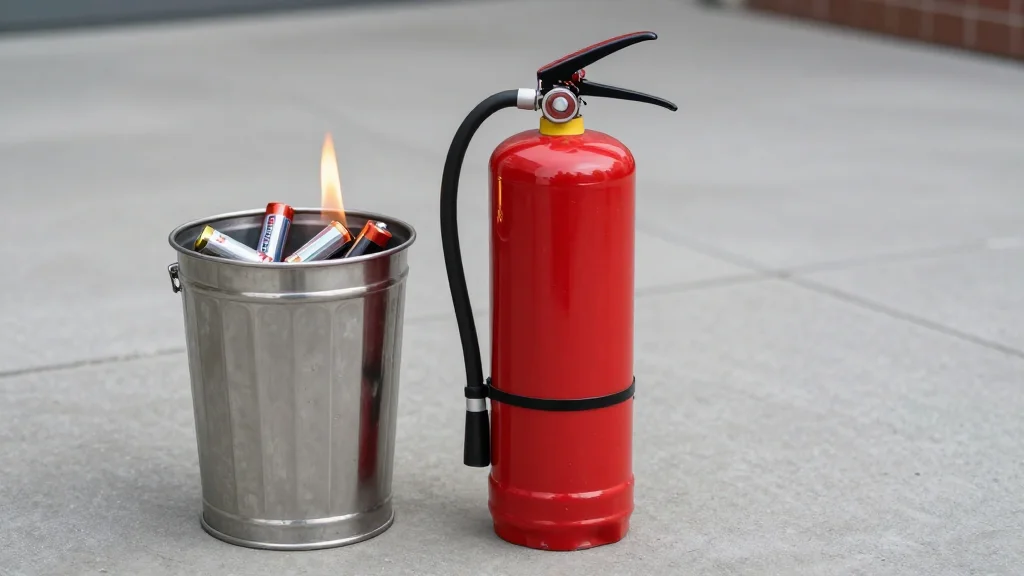
The UT Austin team’s victory centered on a comprehensive approach to lithium‑battery fire risk. Their proposal combined rigorous inventory tracking, mandatory segregation of used cells, and partnership with certified recyclers to eliminate the spark‑inducing conditions that lead to thermal runaway. By integrating sensor‑based monitoring and employee training, the plan not only mitigates immediate fire danger but also aligns with sustainability goals, a dual benefit that resonated with the judges. This focus mirrors a broader industry shift as insurers and manufacturers grapple with the rapid proliferation of portable power sources across consumer electronics, electric vehicles, and grid‑storage applications.
Beyond the prize money, the competition signals a growing alignment between academia and corporate risk functions. Companies are increasingly scouting talent that can translate complex technical risks into practical mitigation strategies, especially in areas like battery safety where regulatory frameworks are still evolving. For universities, the challenge provides a real‑time laboratory to test curricula against industry standards, while firms gain fresh perspectives that can inform policy development and underwriting models. As lithium‑battery usage accelerates, the demand for skilled risk managers who can navigate both safety and environmental considerations will only intensify, making events like Spencer‑RIMS critical talent pipelines.
UT Austin students win Spencer-RIMS challenge
Comments
Want to join the conversation?
Loading comments...