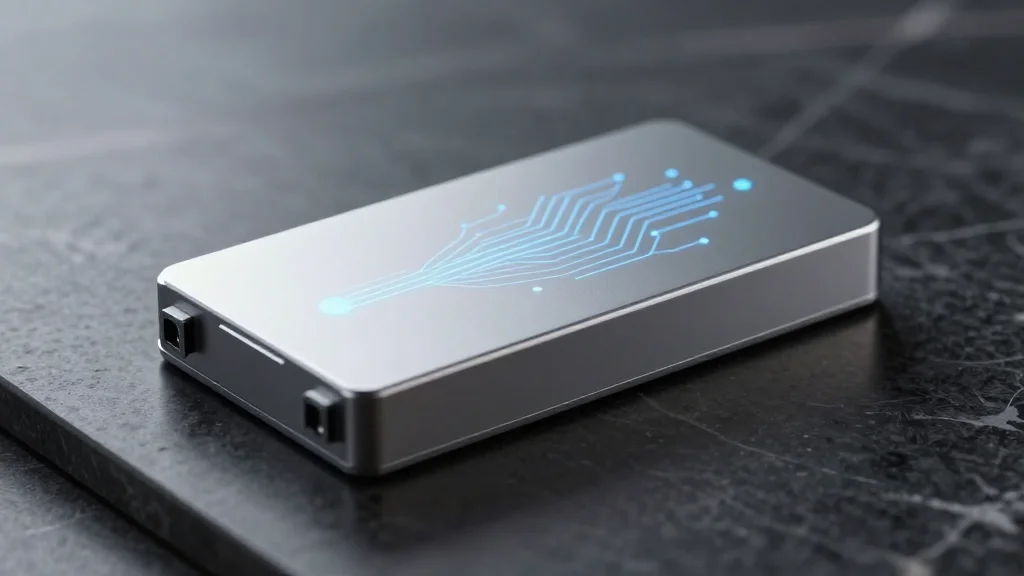
Electra AI and Iron Horse File Updated Materials Ahead of $250M SPAC Merger

Why It Matters
The Electra‑Iron Horse merger highlights a renewed appetite for SPAC‑driven consolidation in high‑tech sectors, offering investment banks a template for structuring deals that combine software intelligence with capital‑intensive hardware. By creating the first pure‑play AI battery intelligence public company, the transaction could unlock new valuation multiples for firms that traditionally struggled to attract pure equity investors. Moreover, the involvement of established underwriters and boutique advisors signals a collaborative approach that may restore confidence in SPACs as a viable financing vehicle for deep‑tech innovators. For the broader investment banking landscape, the deal underscores the importance of sector‑specific expertise. Banks that can pair AI knowledge with cleantech insights are positioned to capture advisory mandates as the energy transition accelerates. The success—or failure—of this merger will likely influence how banks allocate resources to SPAC pipelines, especially in areas where technology and hardware intersect.
Key Takeaways
- •Electra AI and Iron Horse filed an updated investor presentation ahead of a $250 million‑plus SPAC merger.
- •Combined company will trade on Nasdaq as AIBR, the first pure‑play AI battery intelligence firm.
- •Iron Horse’s December 2025 IPO raised approximately $230 million in gross proceeds.
- •Cantor Fitzgerald underwrote Iron Horse’s IPO; Park Avenue Capital and Roth Capital advise Electra.
- •Closing expected in the second half of 2026, subject to shareholder approval and SEC registration.
Pulse Analysis
The Electra‑Iron Horse transaction arrives at a crossroads for SPACs and investment banking. After a period of skepticism, the market is now rewarding SPACs that target narrowly defined, high‑growth niches where traditional IPO routes are cumbersome. By anchoring the deal around a $250 million valuation with earn‑out mechanisms, the parties are aligning management incentives with long‑term performance—a lesson learned from earlier SPAC missteps.
From an investment‑banking perspective, the deal showcases a hybrid advisory model. Cantor Fitzgerald’s underwriting of the IPO provided the capital foundation, while boutique firms like Park Avenue Capital and Roth Capital delivered sector‑specific strategic counsel. This division of labor may become a template for future deep‑tech SPACs, where large banks supply financing muscle and specialized boutiques navigate the technical due diligence and market positioning.
Looking ahead, the success of AIBR will hinge on its ability to monetize the AI Brain for Batteries across disparate verticals—from grid storage to autonomous robotics. If the combined entity can demonstrate tangible efficiency gains and cost reductions, it could justify premium multiples and spur a wave of similar AI‑hardware pairings. Conversely, any regulatory delays or integration challenges could reignite doubts about the SPAC model’s suitability for capital‑intensive, technology‑heavy businesses. Investors and banks alike will be watching the SEC filing timeline and shareholder vote as bellwethers for the next phase of AI‑driven clean‑tech financing.
Electra AI and Iron Horse File Updated Materials Ahead of $250M SPAC Merger
Comments
Want to join the conversation?
Loading comments...