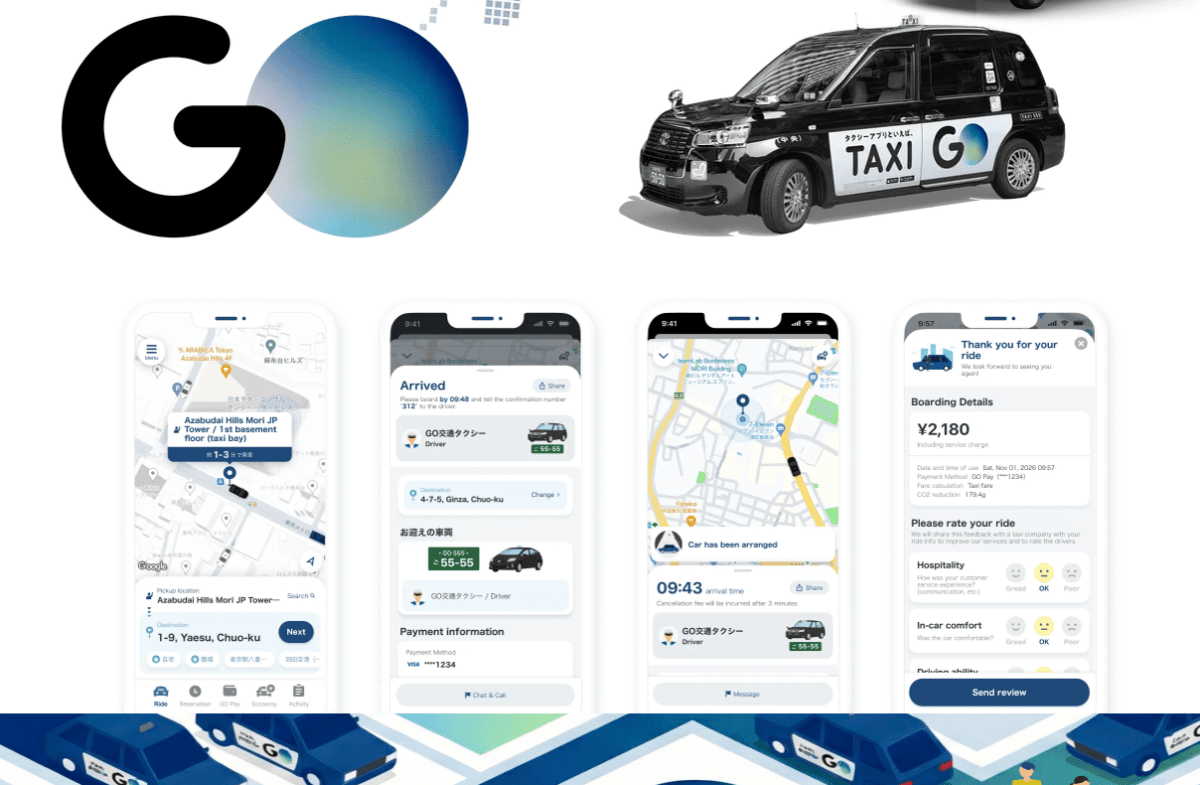
Go Eyes Robotaxis and Acquisitions After Japan’s Biggest IPO of 2026. Here’s Why It Matters
Companies Mentioned
Why It Matters
The infusion of funds gives Go the resources to tackle a critical driver shortage and positions it at the forefront of Japan’s emerging robotaxi ecosystem, influencing both the mobility sector and foreign investment trends.
Key Takeaways
- •Go raised ¥88.6 billion ($553 million) to fund robotaxi R&D
- •Japan’s taxi driver pool fell ~20% due to aging population
- •Go holds 80% of Japan’s taxi‑app usage across 46 prefectures
- •Partnerships with Waymo, Kakao T, Alipay, and WeChat Pay expand reach
- •Competitors Uber, Wayve, Nissan plan robotaxi pilots by late 2026
Pulse Analysis
Japan’s equity markets have struggled for momentum, making Go’s ¥88.6 billion IPO a rare catalyst. The listing not only injected over half‑a‑billion dollars into a domestic tech firm but also signaled confidence from global institutions such as BlackRock and Wellington Management. For investors, the IPO underscores a shifting appetite toward Japanese mobility startups that can combine scale with innovative technology, a combination that has historically been scarce in the country’s conservative capital markets.
The core driver behind Go’s aggressive robotaxi push is a structural labor shortage. With the number of licensed taxi drivers down roughly 20% and an aging population that limits new entrants, traditional ride‑hailing models face a looming capacity crunch. Go’s strategy leverages its massive user base—35 million downloads and 85,000 partner vehicles—to test autonomous solutions while bolstering its existing service with cross‑border payment integrations like Alipay and WeChat Pay. By coordinating with Waymo and major local operators, Go can focus on market rollout and regulatory navigation rather than building self‑driving hardware from scratch.
Competitive pressure is intensifying as Uber, Wayve, and Nissan prepare joint robotaxi pilots slated for late 2026. These collaborations bring electric vehicle platforms and AI‑driven autonomy to Tokyo, challenging Go’s market dominance. However, Go’s entrenched brand, extensive geographic coverage, and access to fresh capital give it a strategic edge in negotiating partnerships and acquiring complementary technologies. The next few years will reveal whether Go can translate its funding into a scalable driverless fleet, a development that could reshape urban mobility across Japan and set a benchmark for other mature markets confronting similar demographic headwinds.
Go eyes robotaxis and acquisitions after Japan’s biggest IPO of 2026. Here’s why it matters
Comments
Want to join the conversation?
Loading comments...