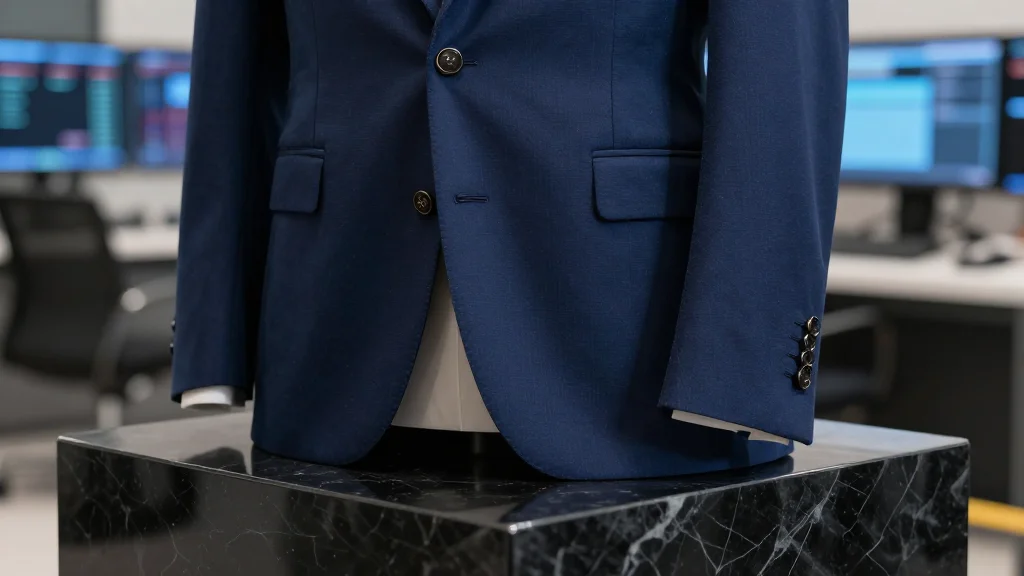
Men’s Wearhouse Owner Aims to Rejoin the Stock Market
Companies Mentioned

Why It Matters
Returning to the stock market could provide Tailored Brands with fresh capital to fund its turnaround and modernize its retail footprint, while signaling confidence to investors after years of financial turbulence. A successful IPO would also benchmark the health of the broader menswear sector amid shifting consumer preferences.
Key Takeaways
- •Tailored Brands filed confidential S‑1 registration to go public again.
- •CEO John Tighe, former J.C. Penney exec, leads turnaround.
- •New COO Karla Gray and CFO Mike Baughn join leadership team.
- •Post‑bankruptcy, company closed hundreds of stores, still facing liquidity.
Pulse Analysis
Tailored Brands’ journey from a high‑profile 2020 bankruptcy to a potential public offering reflects the volatile nature of the traditional menswear market. The retailer’s decline was fueled by a long‑term shift away from formal attire, accelerated by COVID‑19 lockdowns that forced the closure of hundreds of locations. Although the company emerged from bankruptcy as a private entity, lingering liquidity pressures and a fragmented store network have kept investors wary, prompting the current push for an IPO as a path to renewed financial flexibility.
The decision to file a confidential Form S‑1 signals that Tailored Brands believes market conditions are now favorable for raising capital. Fresh equity could fund store remodels, digital commerce upgrades, and inventory optimization—critical moves as consumers increasingly favor online shopping and casual apparel. Leadership turnover underscores a strategic reset: CEO John Tighe brings turnaround experience from J.C. Penney, while COO Karla Gray and CFO Mike Baughn add operational and financial rigor. Their combined expertise is expected to streamline cost structures and accelerate the brand’s shift toward a more diversified product mix.
For the broader apparel sector, Tailored Brands’ potential IPO serves as a barometer of investor appetite for legacy retailers adapting to new consumer habits. A successful listing would suggest confidence that traditional brick‑and‑mortar players can reinvent themselves amid e‑commerce growth and evolving style preferences. Conversely, a lukewarm reception could reinforce doubts about the viability of large‑scale menswear chains in a market that increasingly values flexibility, sustainability, and omnichannel experiences.
Men’s Wearhouse owner aims to rejoin the stock market
Comments
Want to join the conversation?
Loading comments...