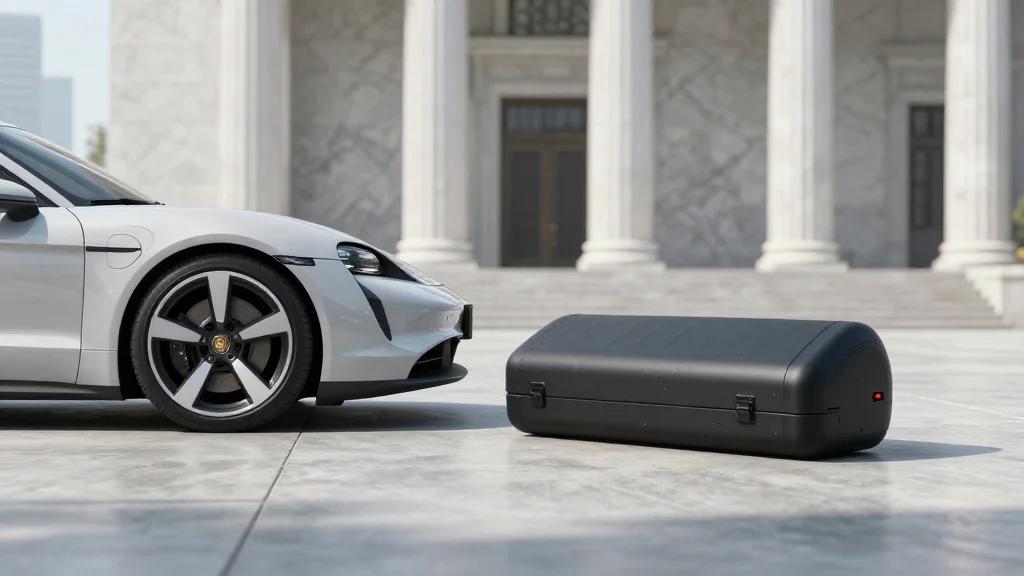
Porsche Shuts Down Three Subsidiaries, Sparking Investment‑bank Advisory for Asset Sales

Companies Mentioned
Why It Matters
The shutdown highlights how legacy automakers are reshaping their portfolios under pressure from slowing sales and intense EV competition. By shedding non‑core units, Porsche is creating a clearer path for investment banks to capture advisory fees tied to high‑tech asset sales, a trend likely to repeat across the industry as manufacturers seek to streamline operations. The move also underscores the growing importance of external partnerships for battery and software capabilities, shifting the balance of power toward specialist suppliers and the financiers that facilitate their consolidation. For investors, the restructuring signals a potential improvement in Porsche's cost structure and a focus on higher‑margin core models. However, the reliance on third‑party technology introduces execution risk, especially as the company races to deliver new electric models while managing the transition of its workforce.
Key Takeaways
- •Porsche closes Cellforce, eBike Performance and Cetitec, cutting >500 jobs
- •CEO Michael Leiters cites need to refocus on core business
- •North America sales down 11%, China down 21%, Europe down 18% in Q1
- •Bugatti Rimac stakes sold to HOF Capital‑led consortium, likely with investment‑bank advisory
- •Potential advisory fees in low‑hundreds of millions for remaining asset sales
Pulse Analysis
Porsche's latest restructuring is a textbook case of a premium automaker recalibrating its balance sheet amid a volatile EV market. The decision to abandon in‑house battery development reflects a broader industry shift: manufacturers are increasingly viewing battery technology as a utility service rather than a proprietary moat. This opens the door for specialist battery firms—often backed by private‑equity and facilitated by investment banks—to become the new strategic partners. Porsche's reliance on external suppliers could accelerate its product cadence, but it also cedes control over a critical cost driver, potentially compressing margins if supplier pricing tightens.
From an investment‑banking perspective, the transaction landscape surrounding Porsche's divestitures is fertile ground. The Bugatti Rimac sale, already executed, likely involved multiple banks to navigate valuation, cross‑border regulatory scrutiny, and the structuring of a consortium led by HOF Capital. As Porsche continues to unwind its e‑bike and software assets, banks will be tasked with extracting maximum value from niche IP and talent pools, a process that can generate substantial advisory revenue. Moreover, the broader market may see a wave of similar spin‑offs as other luxury brands confront comparable sales pressures, creating a pipeline of high‑tech asset deals.
Looking ahead, Porsche's success will hinge on how swiftly it can integrate external battery solutions into its upcoming models while maintaining the brand's performance pedigree. If the partnership model delivers on time and cost, Porsche could set a precedent for a leaner, partnership‑centric luxury EV strategy. Conversely, any delays or quality issues could erode consumer confidence, underscoring the high stakes of this strategic pivot.
Porsche shuts down three subsidiaries, sparking investment‑bank advisory for asset sales
Comments
Want to join the conversation?
Loading comments...