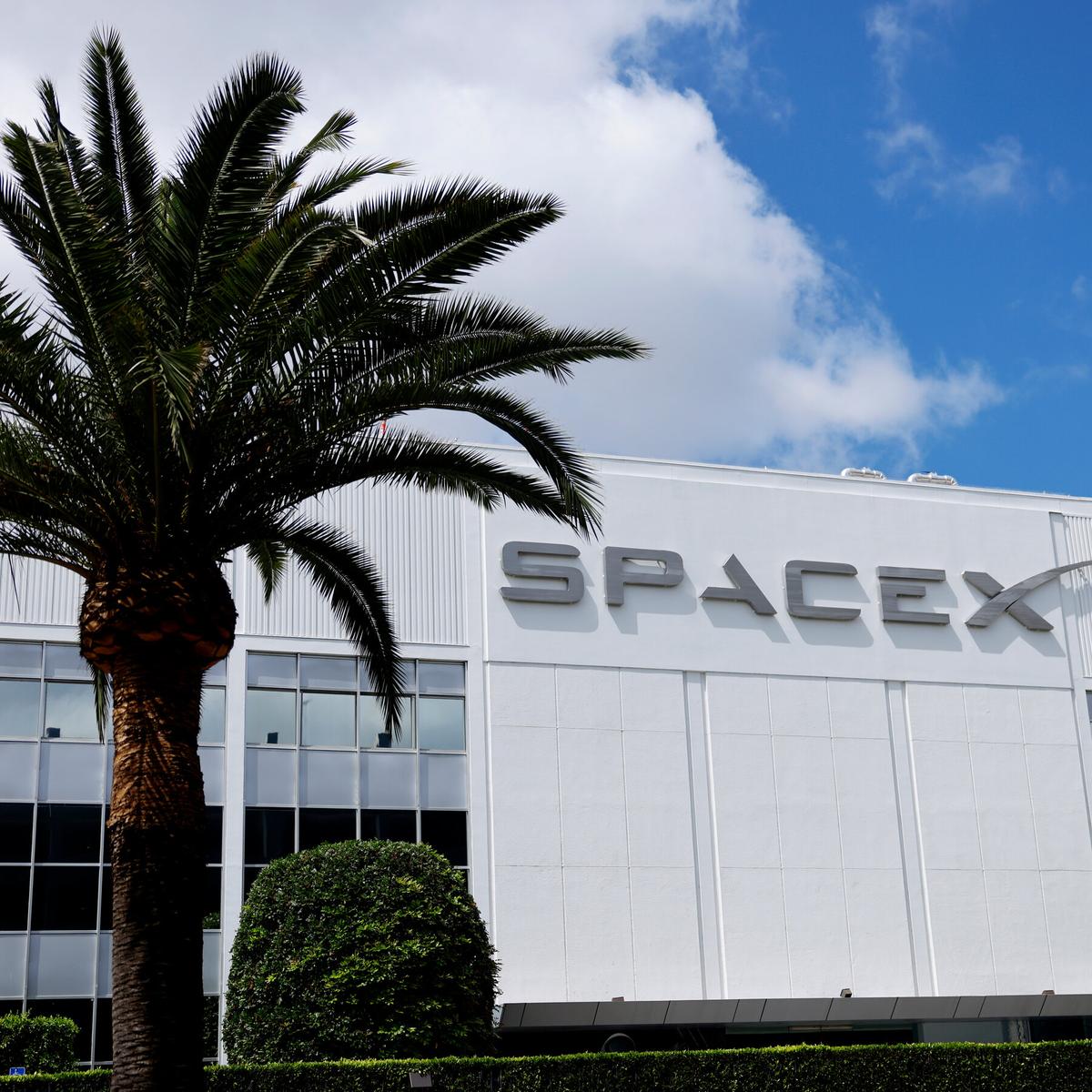
SpaceX Finalizes IPO Price at $135 a Share in World’s Largest Public Offering
Companies Mentioned
Why It Matters
The IPO injects unprecedented capital into the commercial space sector and signals a new era of mega‑valuations for tech‑heavy, capital‑intensive firms. It also reshapes wealth distribution among existing investors and sets a benchmark for upcoming AI‑focused listings.
Key Takeaways
- •IPO priced at $135 per share
- •Raises about $75 billion, valuation $1.77 trillion
- •Largest IPO ever, surpassing Saudi Aramco
- •Shares begin trading under ticker SPCX Friday
- •Musk's stake valued over $860 billion
Pulse Analysis
SpaceX’s debut on the public markets marks a watershed moment for capital‑intensive industries. By locking in a $135 price per share and raising an estimated $75 billion, the company has secured a war‑chest that dwarfs traditional aerospace budgets and provides a runway for ambitious projects such as Starship, Mars colonization, and a global broadband constellation. The $1.77 trillion valuation not only shatters the previous record held by Saudi Aramco but also redefines the scale at which private‑sector space ventures can attract institutional money, potentially lowering financing costs for future missions and accelerating industry consolidation.
The ripple effects extend beyond the orbital arena, influencing the broader tech IPO landscape. With AI startups like Anthropic and OpenAI courting similar trillion‑dollar valuations, investors now have a clear precedent that massive, speculative ventures can command public market enthusiasm. This convergence of space and artificial intelligence capital may spur cross‑industry collaborations, where satellite data fuels AI models and AI optimizes launch logistics. Moreover, the sheer size of the offering is likely to inspire a wave of mega‑IPOs, prompting investment banks to refine underwriting strategies for high‑growth, high‑risk enterprises.
However, the influx of capital also raises governance and wealth‑distribution questions. While Musk’s stake exceeds $860 billion, lock‑up provisions limit immediate liquidity, yet the market’s perception of his influence remains a key driver of share price volatility. Regulators will scrutinize disclosure practices and the potential for market concentration, especially as public investors gain exposure to a sector traditionally dominated by government contracts. Looking ahead, SpaceX’s public debut could set a template for how emerging technologies secure financing, balancing the allure of astronomical valuations with the responsibility of transparent, sustainable growth.
SpaceX Finalizes IPO Price at $135 a Share in World’s Largest Public Offering
Comments
Want to join the conversation?
Loading comments...