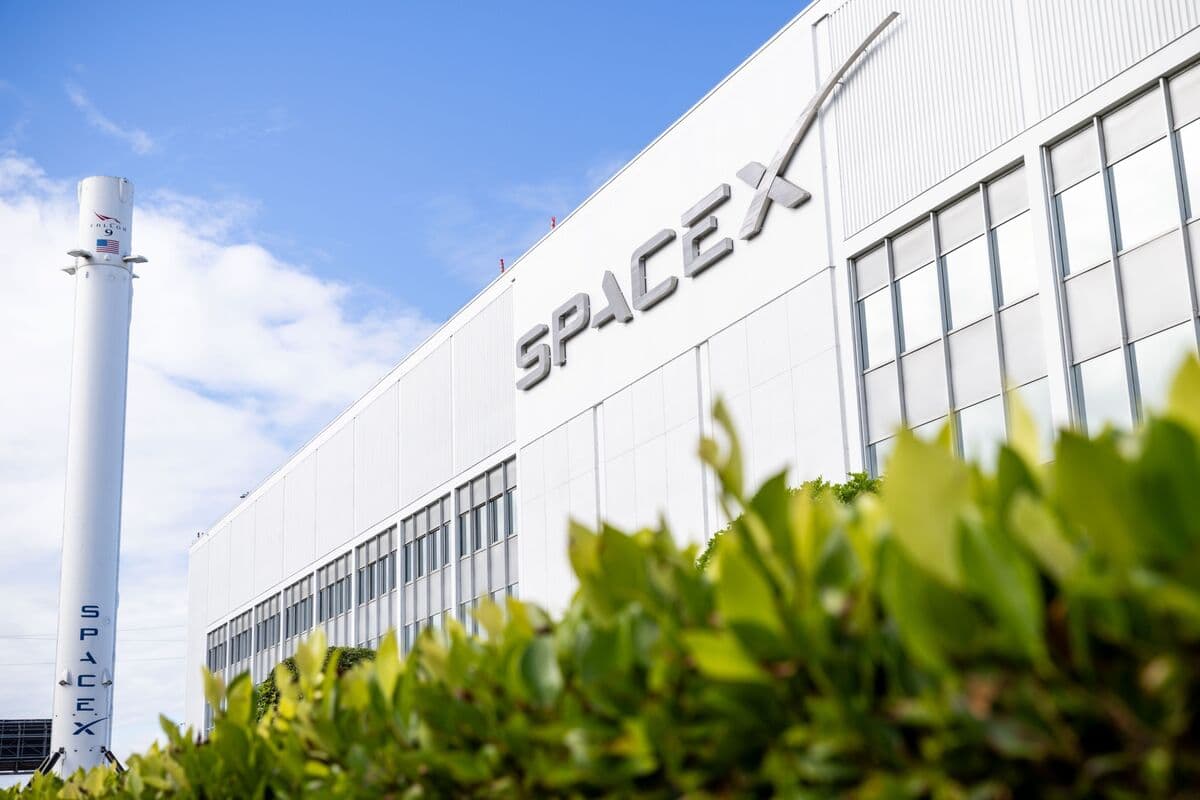
SpaceX IPO Requires Leap of Faith in AI, Mars and Musk’s Vision
Companies Mentioned
Why It Matters
The offering could provide the cash needed to sustain costly AI and Mars programs, but it also exposes investors to significant financial risk. It marks a turning point in how the commercial space sector seeks public‑market funding for speculative ventures.
Key Takeaways
- •SpaceX files IPO prospectus, targeting multi‑billion‑dollar valuation
- •Company reports escalating losses and mounting debt after startup acquisition
- •AI and Mars rocket programs dominate upcoming capital allocation
- •Musk’s “spend to earn” model central to growth strategy
Pulse Analysis
SpaceX’s move to go public is a watershed moment for the commercial space industry, which has traditionally relied on private equity and government contracts. The prospectus, filed with the SEC, hints at a valuation that could eclipse the market caps of many legacy aerospace firms, underscoring investor appetite for frontier technologies. By positioning AI and a Mars‑bound launch system at the core of its growth narrative, SpaceX is betting that breakthroughs in autonomous navigation, satellite constellations, and interplanetary transport will eventually generate sustainable cash flows.
Financially, the filing paints a stark picture: years of aggressive spending have left the company with mounting debt and a widening loss margin, especially after the acquisition of a cash‑intensive AI startup. Yet Musk’s strategy—spending heavily now to capture future market share—mirrors the playbooks of other tech giants that prioritized scale over short‑term profitability. The IPO proceeds are earmarked for expanding Starlink’s AI‑enhanced network, accelerating the development of the Starship Mars vehicle, and bolstering research into next‑generation propulsion. This capital infusion could stabilize the balance sheet while keeping the firm on track for its long‑term vision.
For investors, the IPO presents a high‑risk, high‑reward proposition. Success could unlock a new era of commercial interplanetary logistics and AI‑driven space services, reshaping supply chains and data infrastructure on a planetary scale. Conversely, continued cash burn without near‑term revenue breakthroughs could pressure the stock’s valuation. Regulators and analysts will scrutinize the company’s debt load, governance structure, and the realistic timelines for its AI and Mars milestones. Ultimately, SpaceX’s public debut will test whether the market is ready to fund speculative, technology‑heavy space ambitions at scale.
SpaceX IPO Requires Leap of Faith in AI, Mars and Musk’s Vision
Comments
Want to join the conversation?
Loading comments...