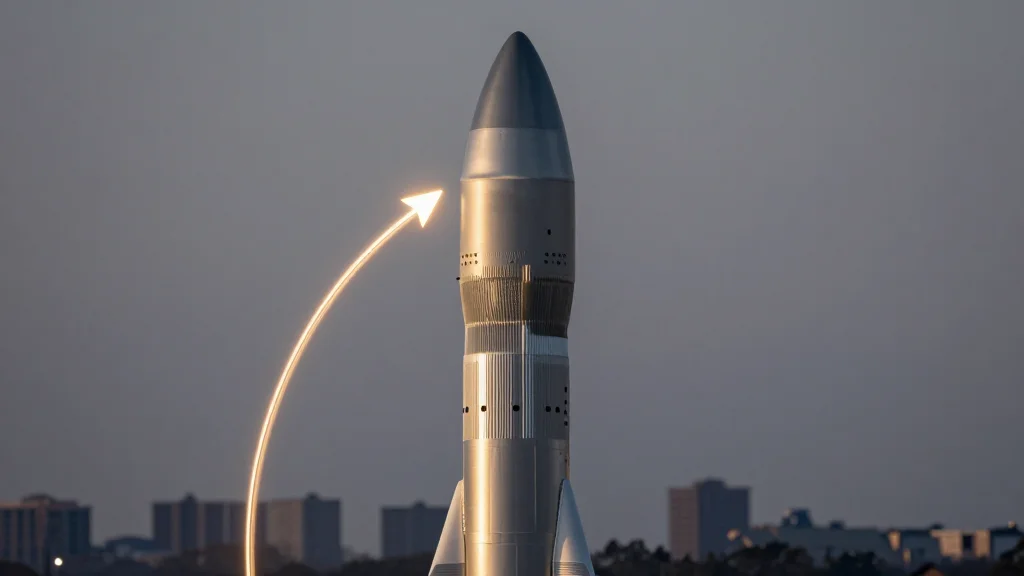
SpaceX IPO Targets $1.75‑$2 Trillion Valuation as Tesla Merger Rumors Surge

Companies Mentioned
Why It Matters
The SpaceX IPO, poised to become the largest ever, will test the capacity of investment banks to underwrite a multi‑trillion‑dollar offering, a scenario never before encountered on U.S. exchanges. The potential merger with Tesla adds a layer of complexity, as banks must navigate antitrust scrutiny, cross‑company financial entanglements, and the interests of a broad shareholder base that includes pension funds and retail investors. Moreover, Alphabet’s massive stake creates a secondary market dynamic that could influence capital allocation decisions across the tech sector, especially as the company seeks to fund its AI infrastructure expansion. For the investment‑banking industry, the transaction represents a litmus test for deal‑making in an era where AI, space, and automotive technologies converge. Successful execution could cement the leading banks’ reputations as the go‑to advisers for mega‑scale tech IPOs, while any misstep could expose vulnerabilities in pricing, lock‑up management, and merger‑related risk assessment.
Key Takeaways
- •SpaceX aims for a $1.75‑$2 trillion valuation in a June IPO, the largest U.S. offering ever.
- •Cross‑company deals include $697 million in Tesla Megapacks and $131 million in Cybertrucks purchased by SpaceX.
- •Dan Ives (Wedbush) estimates an 80%‑90% chance of a SpaceX‑Tesla merger by early 2027.
- •Alphabet’s 6% stake could be worth ~$120 billion at a $2 trillion market cap.
- •Rolling share‑release schedule permits insiders to sell up to 20% after Q2 results, adding liquidity complexity for banks.
Pulse Analysis
The SpaceX IPO is a watershed moment for capital markets, not merely because of its headline‑grabbing valuation but because it forces investment banks to confront a new class of mega‑scale, AI‑centric offerings. Traditional underwriting models, built around companies with market caps in the low‑hundreds of billions, will need to be stretched to accommodate a $2 trillion valuation, heightened regulatory scrutiny, and a staggered lock‑up schedule that could affect price stability for months after debut. Banks will likely lean on sophisticated algorithmic pricing tools and deep liquidity pools to manage the unprecedented demand and supply dynamics.
Equally significant is the merger speculation. If Musk proceeds with a SpaceX‑Tesla combination, the resulting conglomerate would blend aerospace, automotive, and AI capabilities under one balance sheet, creating a behemoth that could dominate multiple sectors. For banks, this raises antitrust red flags and demands a coordinated approach between equity and M&A advisory teams. The cross‑ownership of assets—such as the $697 million Megapack purchase and the $2 billion xAI investment—means that any merger would involve complex asset revaluation and potential tax implications, further complicating the advisory mandate.
Finally, Alphabet’s position underscores how strategic corporate investors can become pivotal liquidity sources in mega‑IPO scenarios. By potentially selling a portion of its SpaceX stake, Alphabet could fund its own AI infrastructure without resorting to debt or dilutive equity issuances, setting a precedent for tech giants to leverage private‑equity‑style holdings in public markets. This dynamic may encourage other large corporates to seek similar stakes in high‑growth, pre‑IPO firms, reshaping the ecosystem of capital provision and creating new opportunities—and challenges—for investment banks that must service both the issuers and the strategic investors.
SpaceX IPO Targets $1.75‑$2 Trillion Valuation as Tesla Merger Rumors Surge
Comments
Want to join the conversation?
Loading comments...