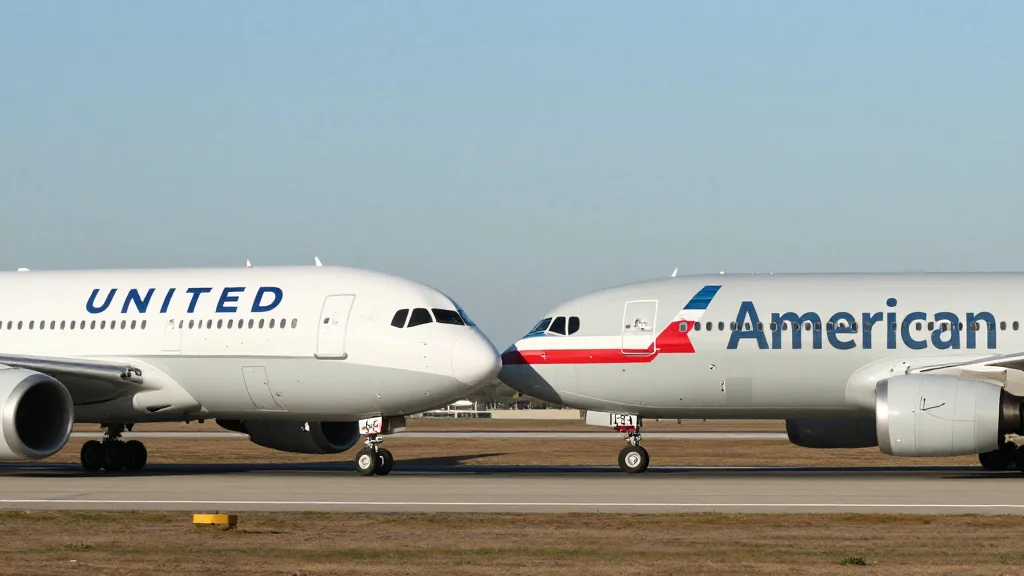
Would A United, American Airlines Merger Shake Up The Airline Industry?
Companies Mentioned
Why It Matters
A United‑American combination could redefine market power, influencing fares, network reach, and shareholder value, while triggering a major regulatory battle that will set precedents for future airline mega‑mergers.
Key Takeaways
- •United and American merger would create largest U.S. airline by fleet
- •Stocks of major carriers rose 5‑8% on merger speculation
- •Antitrust concerns likely to trigger DOJ review and possible divestitures
- •Past airline consolidations reshaped market after 9/11 and 2008 crises
- •Higher fuel costs and trade policies add pressure for scale
Pulse Analysis
The prospect of United Airlines joining forces with American Airlines marks the most ambitious consolidation attempt in U.S. aviation since the 2010 American‑U.S. Airways deal. United’s CEO Scott Kirby presented the idea during a February meeting with former President Donald Trump, arguing that a combined carrier would command the largest global fleet and wield greater bargaining power in international routes and fuel contracts. The timing aligns with volatile jet‑fuel prices and a broader push by legacy carriers to achieve economies of scale after two decades of steady market concentration.
Nevertheless, the merger would run into a formidable antitrust gauntlet. The Department of Justice has historically scrutinized deals that could diminish competition among the four major U.S. carriers, as demonstrated by the 2024 court blockage of the JetBlue‑Spirit transaction. Regulators would likely demand divestitures of overlapping hub slots, route concessions, or even the creation of a new low‑cost carrier to preserve fare competition. The political climate under a business‑friendly administration may soften rhetoric, but legal hurdles remain the decisive factor in whether the deal can close.
Investors have already rewarded the speculation, with United shares up about 3.5% and American climbing more than 8%, while rivals Delta, Southwest and Alaska posted gains of 5‑7%. If approved, the combined airline could leverage a larger network to offset rising fuel costs and negotiate better airport fees, potentially stabilizing earnings for shareholders. However, higher market concentration may translate into higher ticket prices for consumers, especially on domestic routes where competition is thin. The outcome will shape the next phase of airline consolidation and set a benchmark for future mega‑mergers.
Would A United, American Airlines Merger Shake Up The Airline Industry?
Comments
Want to join the conversation?
Loading comments...