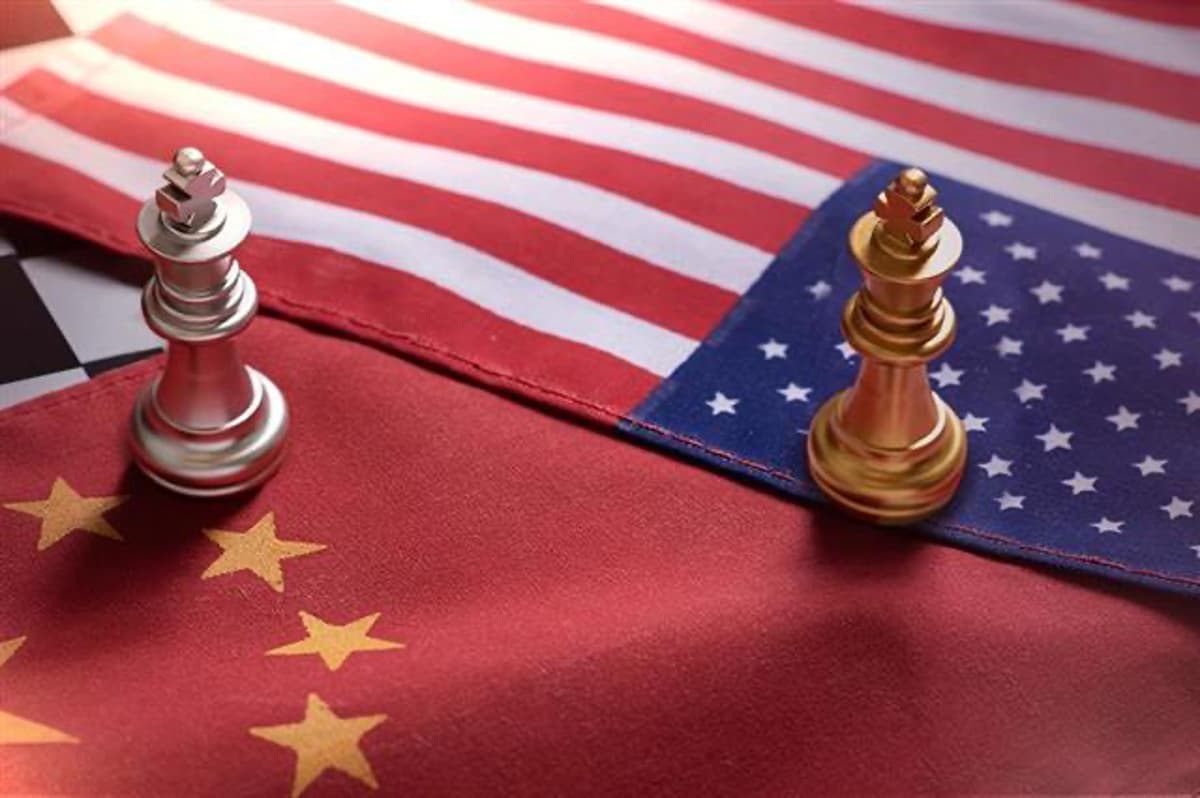
China’s Expanding Countersanctions Framework and the Growing Divide Between Beijing and Washington
Key Takeaways
- •China enacted regulations to block compliance with foreign sanctions.
- •New provisions tighten oversight of industrial and supply chain security.
- •Multinationals face conflicting legal obligations between U.S. export controls and Chinese countersanctions.
- •Compliance programs must assess supply chain, ownership, and data localization risks.
- •Failure to navigate both regimes can trigger civil or criminal liability.
Pulse Analysis
China’s latest regulatory package marks a decisive shift from ad‑hoc retaliation to a codified countersanctions regime. The Regulations on Countering Improper Extraterritorial Jurisdiction empower ministries to block foreign sanctions, export controls and investment curbs that Beijing deems harmful to its strategic interests. By extending beyond traditional sanctions to cover technology transfers, supply‑chain constraints and even legal remedies for Chinese firms, the framework signals that Beijing will treat compliance with foreign measures as a direct threat to national security. This broad brushstroke aligns with the State Council’s Provisions on Industrial and Supply Chain Security, which embed geopolitical risk assessment into everyday industrial oversight.
For multinational corporations, the convergence of these Chinese rules with an increasingly aggressive U.S. export‑control and sanctions agenda creates a legal minefield. Companies in semiconductors, AI, aerospace, telecommunications and critical minerals now risk dual liability: violating U.S. regulations could trigger civil or criminal action in the United States, while adhering to those rules may breach Chinese countersanctions, inviting fines or forced divestiture. The overlapping jurisdictional reach complicates end‑user and end‑use determinations, especially when intermediaries or joint‑venture structures span both markets. Firms must therefore treat compliance as a bi‑directional exercise, mapping not only restricted parties but also supply‑chain dependencies, ownership ties to state‑linked entities, and data‑localization mandates.
The practical response lies in building integrated compliance architectures that can evaluate exposure from both sides simultaneously. Robust due‑diligence processes should incorporate Chinese industrial‑security screenings alongside U.S. Entity List checks, while escalation protocols must be established for identified conflicts of law. Continuous monitoring of regulatory updates, scenario‑based risk modeling, and cross‑functional governance—linking legal, compliance, procurement and risk teams—are essential to avoid costly missteps. As Beijing and Washington deepen their regulatory rivalry, firms that master this dual‑jurisdiction landscape will safeguard operations and preserve strategic flexibility in an increasingly polarized global economy.
China’s Expanding Countersanctions Framework and the Growing Divide Between Beijing and Washington
Comments
Want to join the conversation?