Iran War; US-China; Xi Meets KMT Chair; Li on the Economy; Countering Unlawful Extraterritorial Jurisdiction Measures
Key Takeaways
- •US blockade hampers Iranian ships, many bound for China
- •China warns prolonged blockade could strain its economy
- •UAE Crown Prince visits Beijing, meets Premier Li
- •Wang Yi assures support for Gulf Arab security concerns
- •No concrete China‑US coordination on Iran conflict disclosed
Pulse Analysis
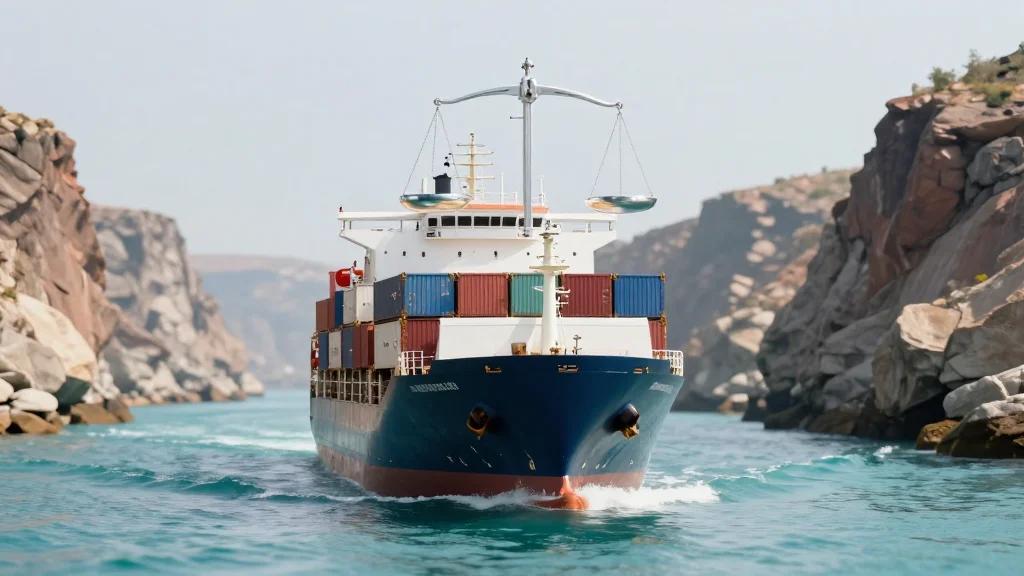
The United States’ decision to block Iranian vessels in the Strait of Hormuz has rippled far beyond the immediate theater, striking at the heart of China’s maritime logistics. A sizable share of the detained cargo is destined for Chinese manufacturers, meaning the blockade could inflate freight costs, delay raw‑material deliveries, and compress profit margins for export‑driven firms. Analysts estimate that even a modest slowdown in oil and petrochemical shipments could shave billions off China’s quarterly trade surplus, intensifying already fragile growth forecasts.
Against this backdrop, high‑level diplomatic activity unfolded in Beijing. The Crown Prince of the United Arab Emirates, accompanied by senior officials, sat down with Premier Li Keqiang to discuss broader security concerns in the Gulf. While the official communiqué was vague, the meeting signals Beijing’s willingness to court Gulf states as a counterweight to U.S. pressure. Simultaneously, Foreign Minister Wang Yi’s dialogue with his Emirati counterpart reinforced China’s narrative of respecting regional stability, a stance that could translate into deeper economic cooperation, such as infrastructure financing under the Belt and Road framework.
Looking ahead, China faces a delicate balancing act. On one hand, it must safeguard its trade routes and energy imports; on the other, it seeks to avoid direct confrontation with the United States. Continued U.S. enforcement actions may push Beijing to diversify supply chains, accelerate domestic energy projects, or leverage diplomatic channels to de‑escalate tensions. Stakeholders in shipping, commodities, and geopolitics should monitor how Beijing’s diplomatic overtures evolve, as they will shape the risk calculus for investors and multinational firms operating across the Indo‑Pacific and Middle East.
Iran war; US-China; Xi meets KMT chair; Li on the economy; Countering unlawful extraterritorial jurisdiction measures
Comments
Want to join the conversation?