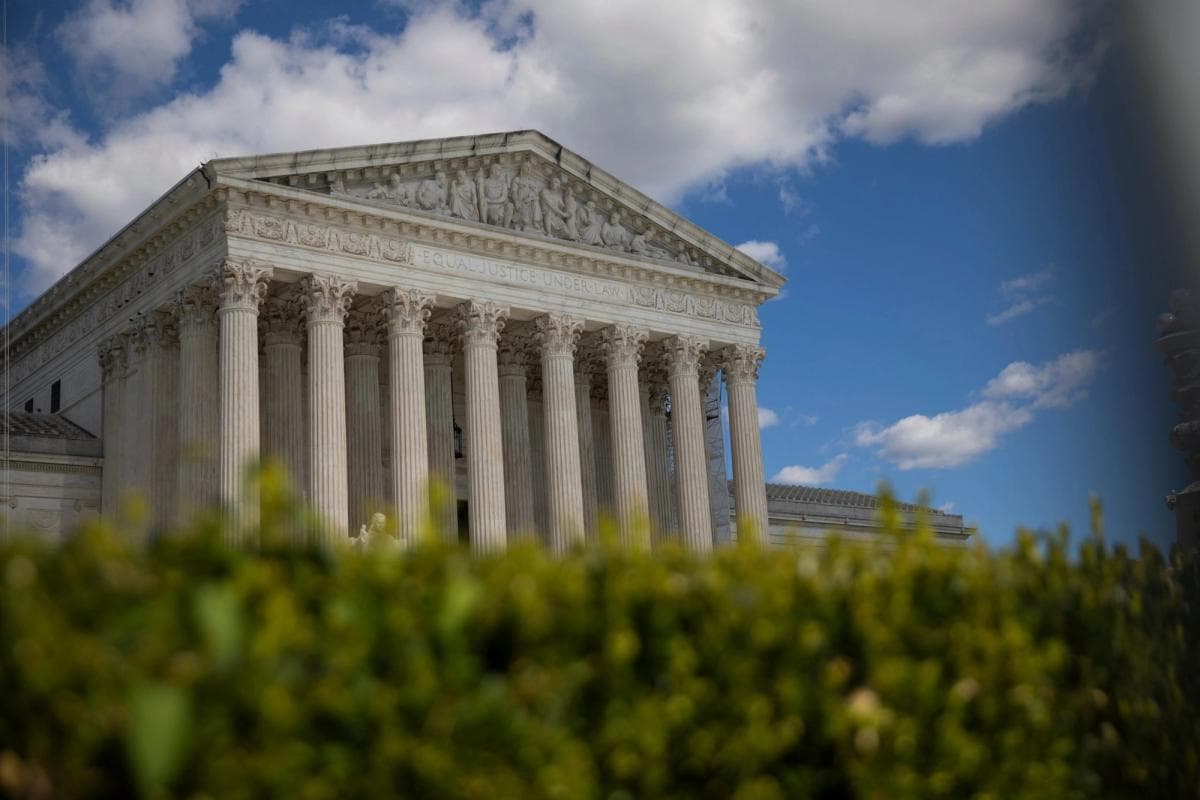
Justices Poised to Protect Generics Manufacturers From Liability for Decisions of Pharmacists About Prescribing Their Products
Key Takeaways
- •Supreme Court likely to reject liability for generic makers' indirect actions
- •Active inducement standard requires clear intent, not passive label compliance
- •Amarin's claim hinges on label, press releases, website statements
- •Justices skeptical of holding manufacturers accountable for pharmacists' dispensing decisions
- •Potential ruling could reshape patent enforcement strategy for branded drug owners
Pulse Analysis
The Hikma‑Amarin dispute revives a long‑standing tension between patent owners and generic manufacturers. Under 35 U.S.C. §271, a patent holder must prove that a third party actively induced infringement, a higher bar than mere facilitation. The Supreme Court’s recent skepticism in the Cox Communications case suggests a narrowing of that standard, and the justices’ questioning of Hikma’s label, investor communications, and website content underscores their reluctance to attribute intent where regulatory constraints dominate. This case therefore serves as a litmus test for how aggressively courts will police the gray area between passive distribution and purposeful encouragement.
For brand‑name drug companies, the stakes are significant. If the Court affirms that generic labels dictated by the FDA and generic‑focused investor disclosures do not meet the active‑inducement threshold, patent owners may lose a powerful lever to block generic entry on the basis of off‑label use. That could accelerate the rollout of lower‑cost alternatives, pressuring pricing strategies and prompting brand firms to focus on litigation over truly infringing conduct rather than peripheral marketing. Investors will watch closely, as any shift in the enforceability of patent‑based injunctions can reshape revenue forecasts for both innovators and generic producers.
Beyond the immediate parties, the decision will influence the broader landscape of pharmaceutical patent law. A clear, unanimous opinion would provide much‑needed guidance for lower courts handling similar claims, reducing uncertainty for manufacturers navigating FDA‑mandated labeling and marketing communications. It may also prompt the Patent and Trademark Office to revisit the definition of “active inducement” in its guidelines. Ultimately, the ruling could set a precedent that balances the protection of genuine patent rights with the public interest in affordable medication access, a core concern for policymakers, insurers, and patients alike.
Justices poised to protect generics manufacturers from liability for decisions of pharmacists about prescribing their products
Comments
Want to join the conversation?