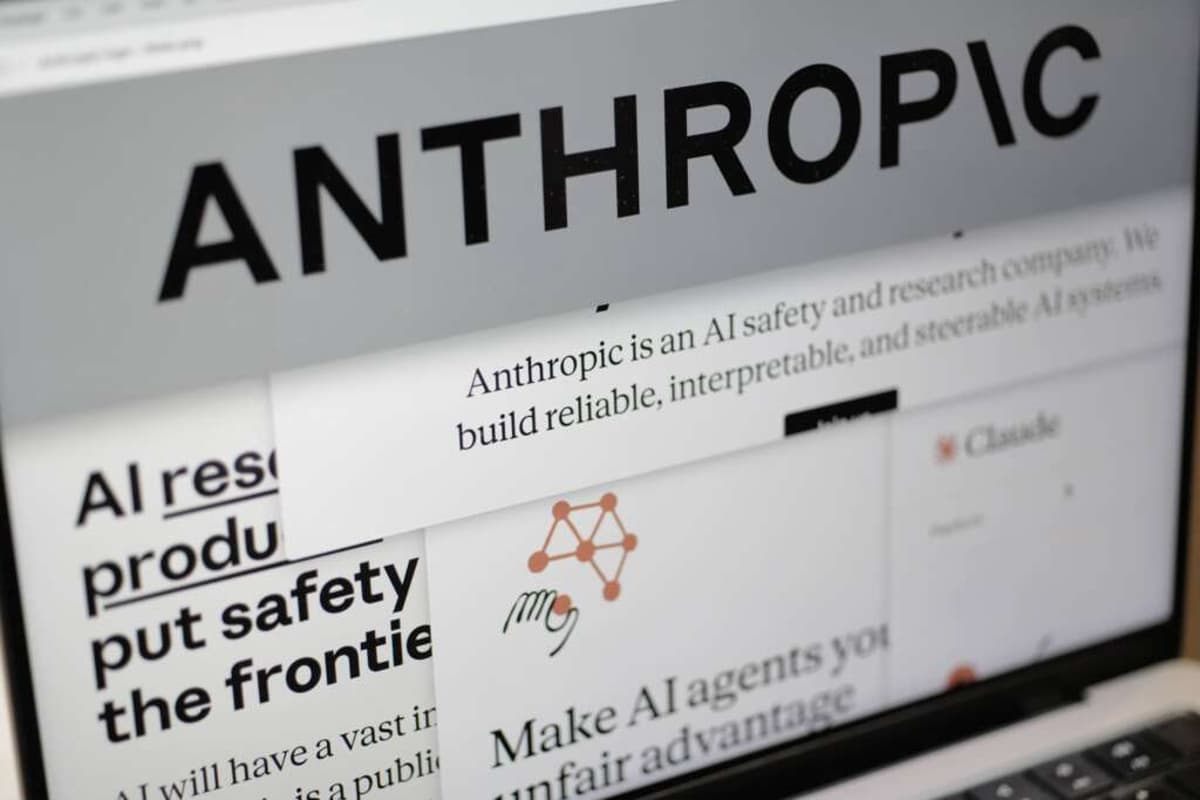
Appeals Court Judges Appear to Be Divided over Pentagon’s Legal Dispute with AI Company Anthropic
Companies Mentioned

Why It Matters
The case tests the limits of Pentagon procurement authority and could shape how AI firms engage with defense contracts, influencing both national‑security policy and the broader AI industry.
Key Takeaways
- •D.C. Circuit judges split on Pentagon's Anthropic supply‑chain risk claim
- •Judge Henderson calls Pentagon's designation a spectacular overreach
- •Judge Rao questions court's authority to second‑guess Secretary Hegseth
- •San Francisco judge already blocked Pentagon's supply‑chain risk label
- •Anthropic says label harms business and hampers AI safety dialogue
Pulse Analysis
The Pentagon’s recent move to label Anthropic, a San Francisco‑based AI developer, as a supply‑chain risk has ignited a high‑stakes legal showdown that goes beyond a single contract dispute. The department’s authority to flag vendors stems from statutes intended to protect against foreign sabotage, yet the designation was triggered after Anthropic warned about the ethical dangers of fully autonomous weapons. By invoking national‑security language, the Defense Department aims to pressure the company, but critics argue this stretches statutory limits and threatens open dialogue on AI safety.
In the D.C. Circuit hearing, the three judges displayed a clear ideological divide. Judge Karen Henderson dismissed the Pentagon’s risk claim as an overreach, emphasizing a lack of concrete evidence. Conversely, Judge Neomi Rao cautioned against judicial interference in the secretary’s risk assessments, highlighting the executive’s discretion in protecting military capabilities. The court’s indecision leaves Anthropic in limbo, even as a San Francisco federal judge has already enjoined the Pentagon’s labeling, underscoring the fragmented legal landscape surrounding AI procurement.
The broader implications are profound for both the defense sector and the burgeoning AI industry. A ruling that curtails the Pentagon’s labeling power could embolden startups to voice ethical concerns without fear of retaliation, fostering a more transparent innovation ecosystem. Conversely, affirming the department’s authority may tighten control over AI technologies deemed critical, potentially slowing commercial adoption and raising compliance costs. Stakeholders—from venture capitalists to policymakers—are watching closely, as the outcome will likely set a precedent for how emerging technologies are integrated into national‑security frameworks.
Appeals court judges appear to be divided over Pentagon’s legal dispute with AI company Anthropic
Comments
Want to join the conversation?
Loading comments...