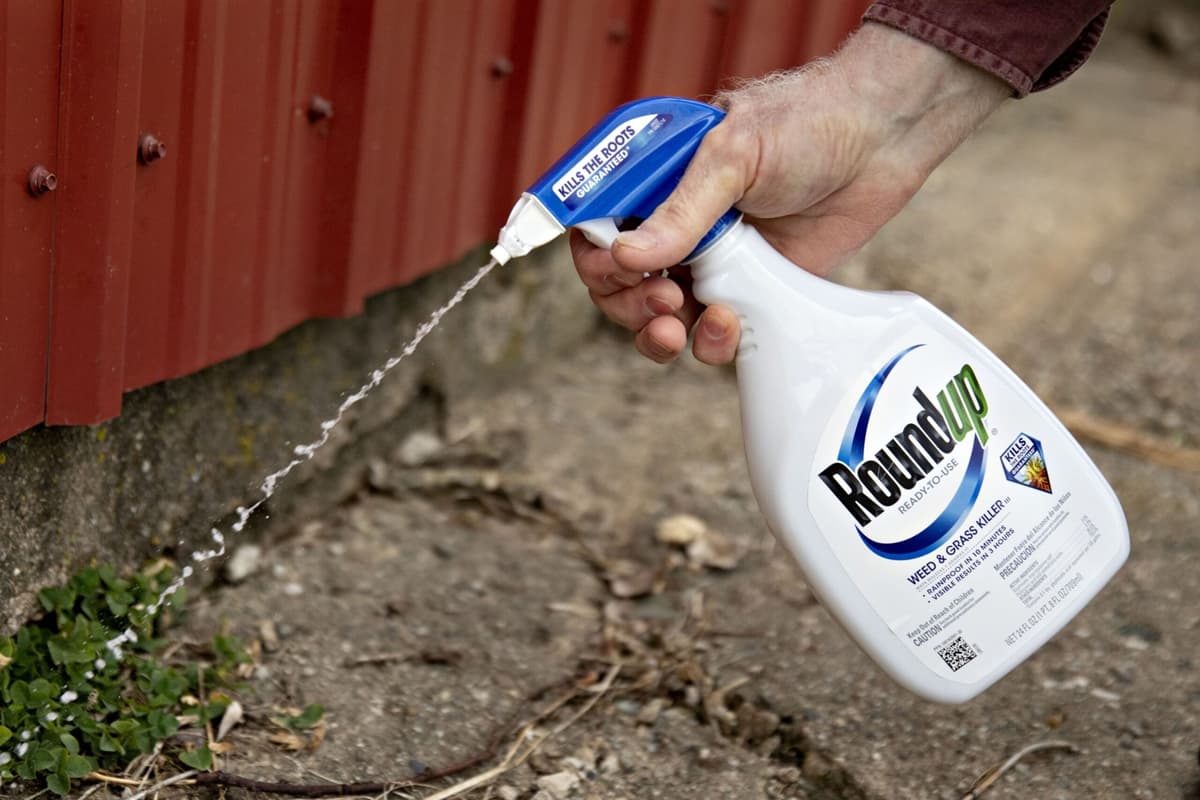
Bayer to Make $10.5 Billion Push to Settle Roundup Cases
Why It Matters
The settlement could cap Bayer's exposure, restore investor confidence, and reshape the agro‑chemical liability landscape.
Key Takeaways
- •Bayer proposes $7.5B class-action settlement
- •Additional $3B to resolve existing U.S. cases
- •Total settlement effort totals $10.5B
- •Over 67,000 glyphosate lawsuits pending
- •CEO weighing complete glyphosate exit
Pulse Analysis
Roundup litigation has haunted Bayer since its $66 billion acquisition of Monsanto, turning the herbicide into a financial time bomb. The company has already disbursed over $10 billion in verdicts and settlements, and the pending 67,000 claims represent a lingering risk that could erode market value. By bundling a $7.5 billion class‑action deal with $3 billion for current cases, Bayer aims to create a definitive closure window, limiting future exposure while signaling a willingness to negotiate rather than continue costly courtroom battles.
From a financial perspective, the $10.5 billion outlay is a strategic hedge. It allows Bayer to allocate capital more predictably, potentially stabilizing its share price that has been volatile amid litigation headlines. The move also gives the board breathing room to assess the long‑term viability of glyphosate, especially as CEO Bill Anderson weighs a complete product phase‑out. An exit could free resources for greener product pipelines, but it also risks ceding market share to competitors still selling glyphosate‑based solutions.
Industry‑wide, Bayer’s settlement could set a benchmark for agro‑chemical liability, prompting other firms to pre‑emptively address similar claims. Regulators are watching closely, with the FDA’s non‑carcinogenic stance on glyphosate under renewed scrutiny. Should Bayer curtail or abandon glyphosate, the market may shift toward alternative weed‑control technologies, accelerating innovation in biotech and low‑toxicity herbicides. The settlement thus not only resolves a corporate crisis but also reshapes the competitive dynamics of the global crop‑protection sector.
Bayer to Make $10.5 Billion Push to Settle Roundup Cases


Comments
Want to join the conversation?
Loading comments...