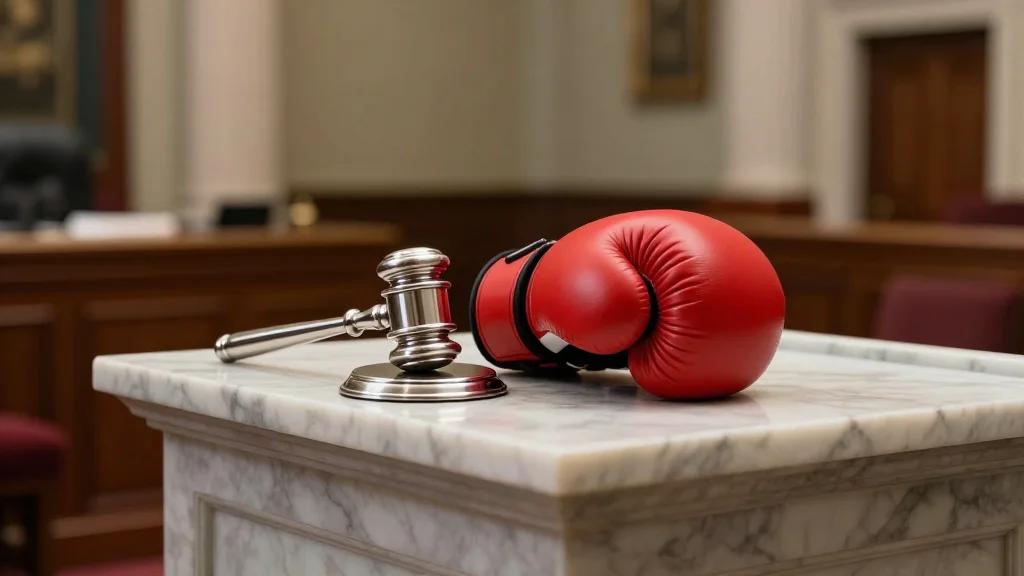
Boxing-De La Hoya, Ali's Grandson Warn US Lawmakers Against Boxing Law Overhaul
Companies Mentioned
Why It Matters
The outcome will determine whether boxing remains a fragmented market that safeguards fighters or shifts to a consolidated model that could prioritize corporate profit over athlete rights, reshaping the sport’s economic landscape.
Key Takeaways
- •De La Hoya opposes Revival Act, warns fighters lose leverage.
- •Ali's grandson says bill betrays Muhammad Ali's legacy.
- •Revival Act would centralize promotion, rankings, titles under one entity.
- •WWE president supports Unified Boxing Organizations as new league model.
- •Current Ali Act shields fighters from conflicts of interest.
Pulse Analysis
The Muhammad Ali Boxing Reform Act, enacted in 2000, was designed to curb conflicts of interest by separating promoters from sanctioning bodies and to give fighters greater bargaining power. Over the past two decades, the fragmented structure has been credited with protecting athletes from exploitative contracts, but critics argue it has also left the sport disorganized and financially unstable. The Senate hearing on April 22 highlighted the Act’s legacy as a cornerstone of boxer‑rights legislation, setting the stage for a potential overhaul.
The newly introduced Muhammad Ali American Boxing Revival Act seeks to create Unified Boxing Organizations (UBOs), a single entity that would manage promotion, rankings, titles and sanctioning under one roof—mirroring the governance model of the NFL or NBA. Supporters, including WWE President Nick Khan, contend that a centralized system could streamline talent development, enforce consistent safety standards, and attract larger broadcast deals, ultimately boosting boxing’s commercial appeal. Proponents argue that the existing framework hampers growth and that a unified league would modernize the sport for a new generation of fans.
Opponents such as Oscar De La Hoya and Nico Ali Walsh warn that consolidating power threatens fighter autonomy, reduces contract options, and could lead to monopolistic practices. They stress that the original Ali Act’s separation of market roles was essential to prevent exploitation. If the Revival Act passes, the industry may see reduced competition among promoters, potentially driving down fighter earnings and limiting career flexibility. The debate underscores a broader tension between preserving athlete protections and pursuing a more lucrative, streamlined business model for professional boxing.
Boxing-De La Hoya, Ali's grandson warn US lawmakers against boxing law overhaul
Comments
Want to join the conversation?
Loading comments...