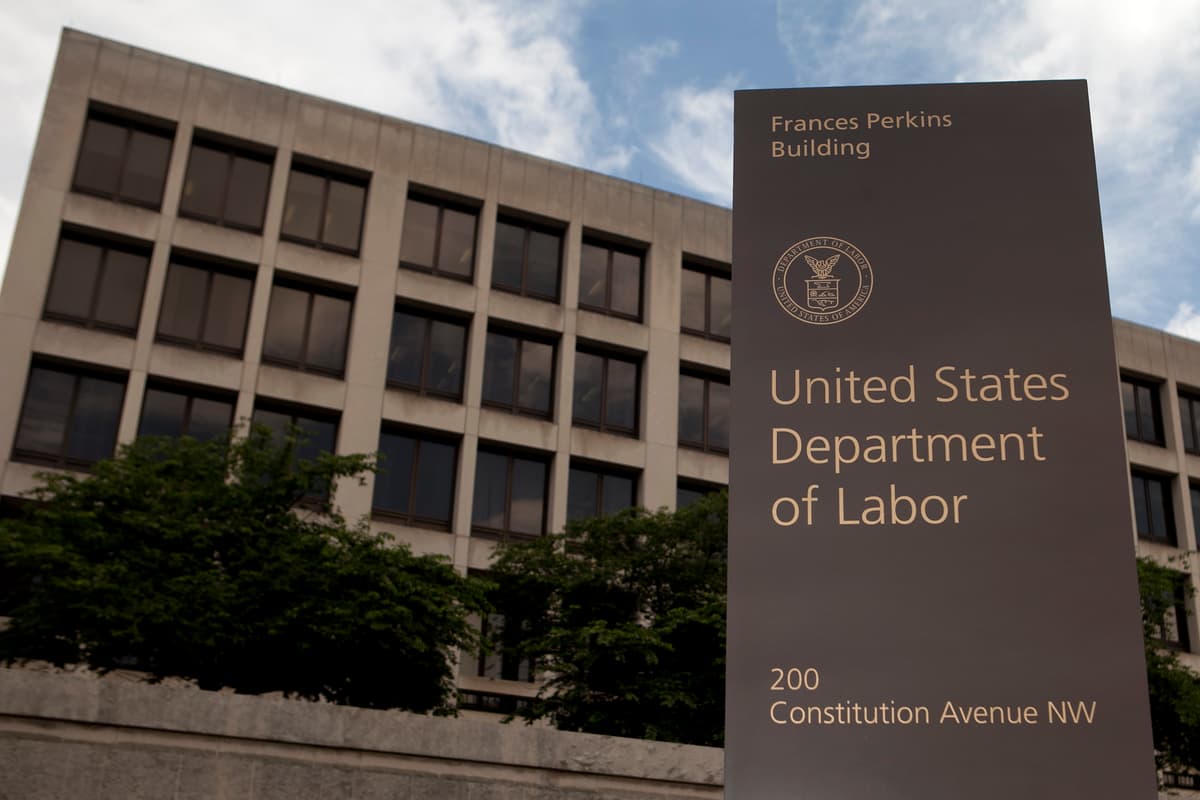
DOL Moves to Undo Stricter Independence Test for Brokers
•February 27, 2026
0
Why It Matters
By preserving the independent‑contractor model, the proposal safeguards high‑margin revenue structures for broker‑dealers and avoids costly payroll‑tax obligations, while also influencing broader gig‑economy classification standards.
Key Takeaways
- •DOL proposes “economic reality test” for contractor classification.
- •Rule reverts to pre‑Biden standards, simplifying broker‑advisor status.
- •Industry groups praise potential to keep high revenue shares.
- •Misclassification could trigger payroll taxes, benefits liabilities.
- •Comments accepted until April 28, influencing final rule.
Pulse Analysis
The Department of Labor’s latest rulemaking reflects a shift back to long‑standing legal principles that prioritize the worker’s control over tasks and their exposure to profit or loss. By focusing on these two pillars, the "economic reality" test offers a clearer, more predictable framework than the Biden administration’s broader "totality of circumstances" approach, which examined skill level, permanence, and integration with the employer’s business. This regulatory pivot aims to reduce ambiguity for employers across sectors, but its immediate spotlight falls on the brokerage industry, where classification decisions directly affect compensation structures.
For broker‑dealers, the classification of advisors as independent contractors is more than a legal nuance—it underpins a business model that allows firms to pay advisors up to 90% of generated revenue while sidestepping payroll taxes, unemployment insurance, and benefits costs. Reinstating the simpler test could preserve these margins, enabling firms like Cetera, LPL and Raymond James to maintain their competitive edge. Conversely, a re‑imposition of stricter criteria would force firms to absorb significant overhead, potentially reshaping fee schedules and prompting a wave of consolidation or a return to employee‑centric models. State‑level initiatives, such as New Jersey’s proposed default‑employee legislation, add another layer of complexity, making the DOL’s guidance a critical piece of the regulatory puzzle.
Beyond finance, the proposal signals how the federal government may approach gig‑economy classifications moving forward. While the DOL emphasizes predictability, critics warn that vague language could still spawn litigation and enforcement uncertainty, especially if agencies interpret the test inconsistently. The open comment period, closing on April 28, offers stakeholders a chance to shape the final language, potentially influencing not only broker‑advisor arrangements but also the broader debate over worker rights, benefits, and employer liabilities in an increasingly flexible labor market.
DOL moves to undo stricter independence test for brokers
0
Comments
Want to join the conversation?
Loading comments...