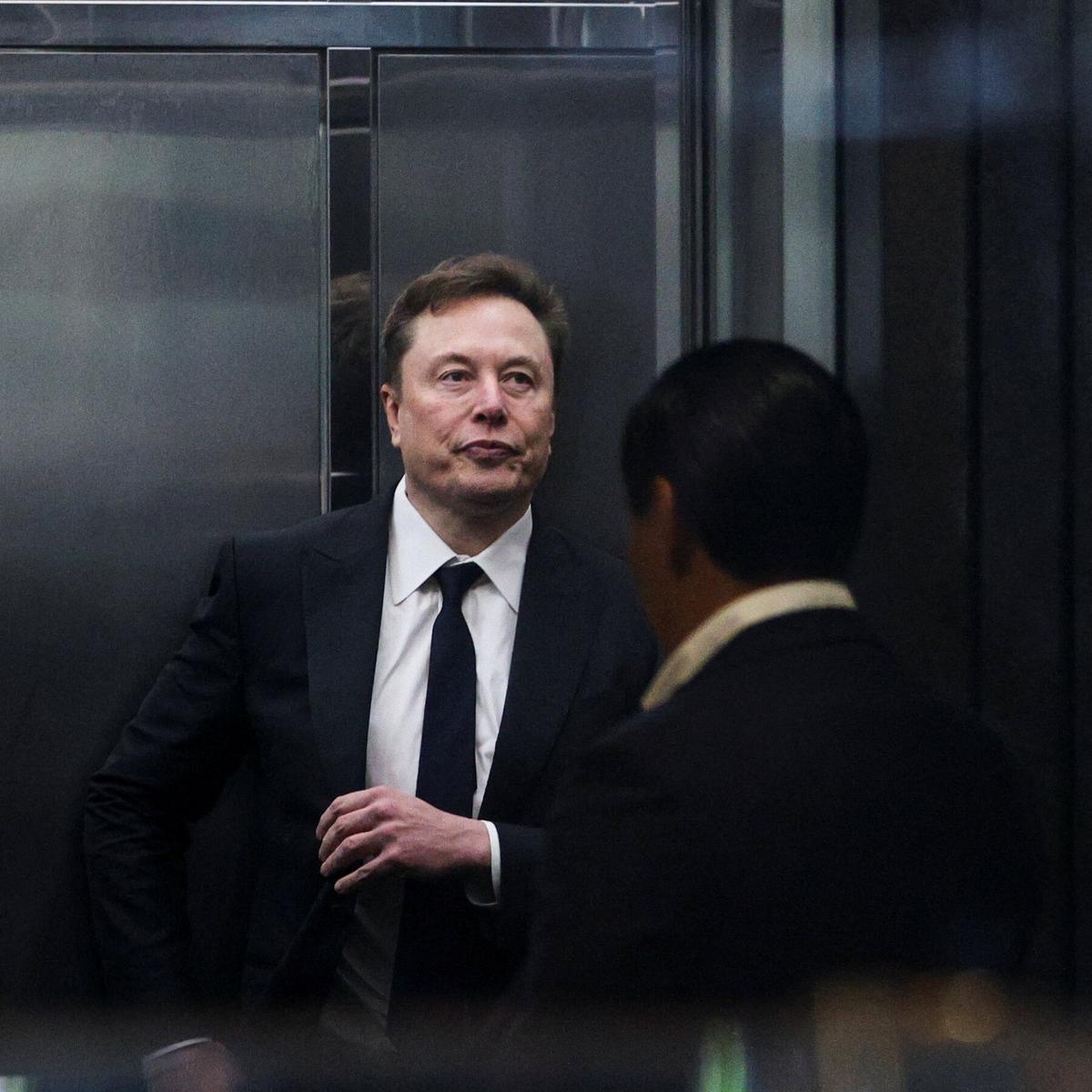
Elon Musk’s A.I. Claims of Danger Face Limits in OpenAI Trial
Companies Mentioned

Why It Matters
By limiting speculative existential claims, the ruling shapes how AI safety arguments can be used in court and may influence future liability and regulatory battles in the tech sector.
Key Takeaways
- •Judge bans existential AI threat testimony in Musk vs. OpenAI trial
- •Musk’s case hinges on portraying OpenAI as public safety risk
- •Limiting catastrophe discussion may weaken Musk’s liability arguments
- •Ruling could set precedent for AI lawsuits' evidentiary scope
Pulse Analysis
Elon Musk’s relationship with artificial intelligence has come full circle. After co‑founding OpenAI in 2015 to ensure safe development, he now sues the same organization, alleging that its models pose a danger to humanity. The lawsuit reflects Musk’s long‑standing alarm about unchecked AI, a theme he has amplified in public forums and through his own AI ventures. Yet the courtroom drama is less about philosophical dread and more about whether such existential concerns can be treated as legal evidence.
Judge Yvonne Gonzalez Rogers’ decision to excise any talk of human extinction from the trial marks a pivotal moment for AI litigation. Courts traditionally require concrete, provable harms; speculative, catastrophic scenarios often fall outside admissible evidence. By steering the jury away from speculative risk, the judge forces Musk’s lawyers to rely on tangible claims—such as alleged patent infringements or competitive misconduct—rather than broad safety arguments. This approach mirrors recent rulings in data‑privacy and biotech cases, where judges have trimmed expert testimony that veered into conjecture, thereby tightening the evidentiary bar for emerging‑technology disputes.
The broader industry watches closely, as the precedent could shape how AI companies defend against liability claims. If courts consistently limit existential risk narratives, firms may focus more on compliance, transparency, and incremental safety measures to mitigate legal exposure. Investors, regulators, and policymakers are likely to interpret the ruling as a signal that the judicial system will prioritize measurable harms over speculative threats, potentially accelerating the push for clearer AI governance frameworks and standards.
Elon Musk’s A.I. Claims of Danger Face Limits in OpenAI Trial
Comments
Want to join the conversation?
Loading comments...