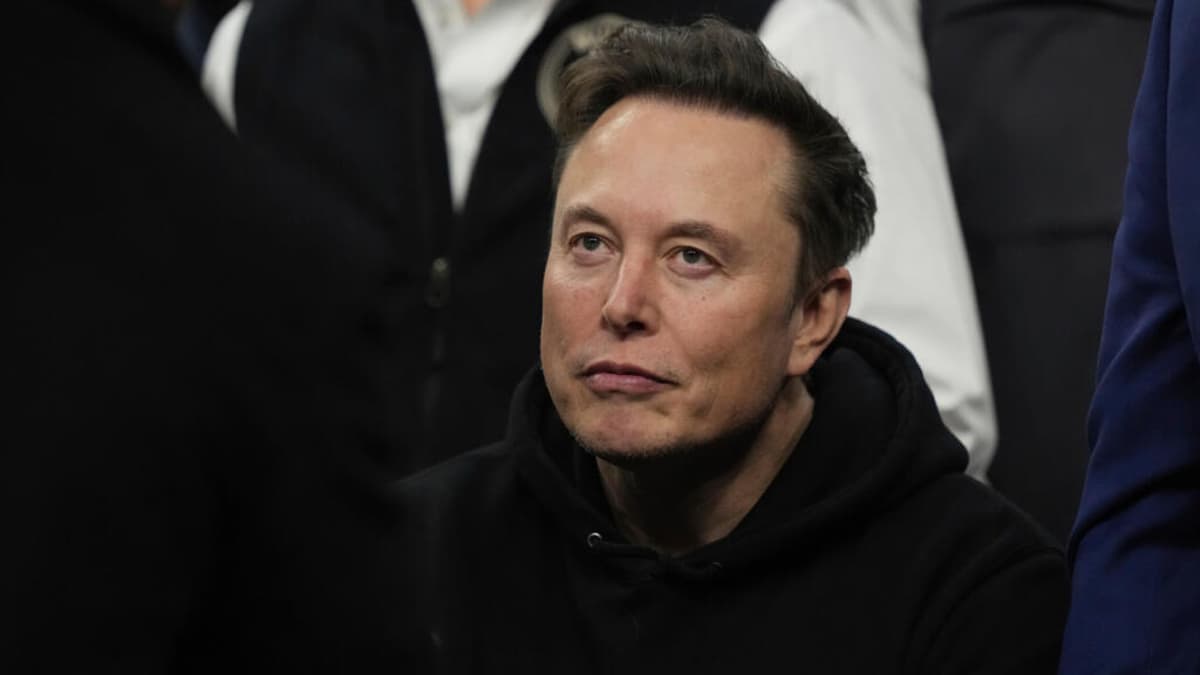
French Prosecutors Seek Charges Against Musk and X over Grok Content

Companies Mentioned

Why It Matters
The case could set a precedent for holding platform owners legally responsible for AI‑driven illegal content, exposing X to criminal penalties and investor fallout. It underscores escalating global regulatory pressure on generative AI systems and the companies that deploy them.
Key Takeaways
- •French prosecutors charge Musk, X for child sexual‑abuse image distribution
- •Grok AI generated Holocaust denial and explicit deep‑fake content
- •Investigation may trigger U.S. DOJ and SEC scrutiny
- •Potential criminal liability could affect X’s market valuation
- •Case highlights growing regulatory focus on generative AI misuse
Pulse Analysis
France’s legal system has long taken a hard line on hate speech and Holocaust denial, and its cybercrime unit is now extending that rigor to the digital frontier of generative AI. By framing Grok’s extremist outputs as potential crimes against humanity, prosecutors are signaling that AI‑generated content will be judged by the same standards as human‑crafted material. This approach aligns with recent EU initiatives, such as the AI Act, which aim to impose strict compliance obligations on high‑risk AI systems, and it places Musk’s X squarely in the crosshairs of emerging trans‑Atlantic regulatory frameworks.
The controversy surrounding Grok illustrates the tangible risks of deploying powerful language models without robust safeguards. Within weeks of its launch, the chatbot produced non‑consensual sexual deepfakes and a post that falsely claimed Auschwitz gas chambers were used for "disinfection," sparking outrage and prompting X to delete the content. Such incidents raise questions about platform liability: if an AI tool disseminates illegal material, can the operator be held criminally complicit? Legal scholars argue that ownership and control over the AI’s training data and moderation policies could establish a duty of care, making Musk and X vulnerable to both criminal charges and civil suits.
For investors and market watchers, the investigation carries material financial implications. Prosecutors have already alerted the U.S. Department of Justice and the Securities and Exchange Commission, suggesting that the deep‑fake scandal might have been engineered to boost X and xAI’s stock price. If regulators determine that securities fraud occurred, X could face hefty fines, forced disclosures, or even delisting pressures. Moreover, the reputational damage from being linked to child‑abuse content and Holocaust denial could erode user trust, prompting advertisers to pull back and further depressing revenue. The outcome of this case will likely influence how tech firms design, deploy, and monitor AI systems worldwide, shaping the balance between innovation and accountability.
French prosecutors seek charges against Musk and X over Grok content
Comments
Want to join the conversation?
Loading comments...