Hikma and Amarin's Generic Drug Case Heads to Supreme Court Arguments
Companies Mentioned
Why It Matters
A Supreme Court decision will set precedent on how aggressively generics can challenge patented specialty drugs, influencing market entry timelines and pricing across the pharmaceutical sector.
Key Takeaways
- •Supreme Court will decide if generic can rely on FDA's bioequivalence data
- •Ruling could alter Orange Book patent protection for specialty drugs
- •Potential $1 billion market for Vascepa generic hinges on outcome
- •Industry watches for precedent affecting future high‑value generics
- •Litigation may delay generic launch, impacting patient drug costs
Pulse Analysis
The legal showdown between Hikma and Amarin arrives at a pivotal moment for the generic drug industry. At stake is the interpretation of the FDA’s bioequivalence framework, which allows generics to demonstrate therapeutic equivalence without repeating costly clinical trials. If the Court sides with Hikma, it could tighten the evidentiary burden for generic applicants, especially for complex, high‑value molecules like Vascepa, a prescription‑strength omega‑3 fatty acid used to lower triglycerides. Such a shift would likely extend development timelines and increase launch costs for future generics.
Beyond the technical regulatory debate, the case carries significant commercial implications. Vascepa generated roughly $1.5 billion in U.S. sales last year, and a generic version could capture a sizable share of that market, potentially saving insurers and patients billions in drug expenditures. A decision that favors Amarin would reinforce current patent protections, preserving brand‑name pricing power for longer periods. Conversely, a ruling that expands generic pathways could accelerate price competition, prompting other innovators to reassess their patent strategies and possibly seek stronger data exclusivity provisions.
Stakeholders across the healthcare ecosystem are closely monitoring the arguments. Payers anticipate lower drug costs if a generic enters the market promptly, while brand‑name manufacturers brace for reduced revenue streams. Lawmakers and regulators may also use the Court’s guidance to refine the balance between encouraging innovation and ensuring affordable access. Ultimately, the Supreme Court’s interpretation will reverberate through future FDA approvals, shaping the competitive landscape for specialty drugs and influencing how quickly life‑saving therapies become affordable for American patients.
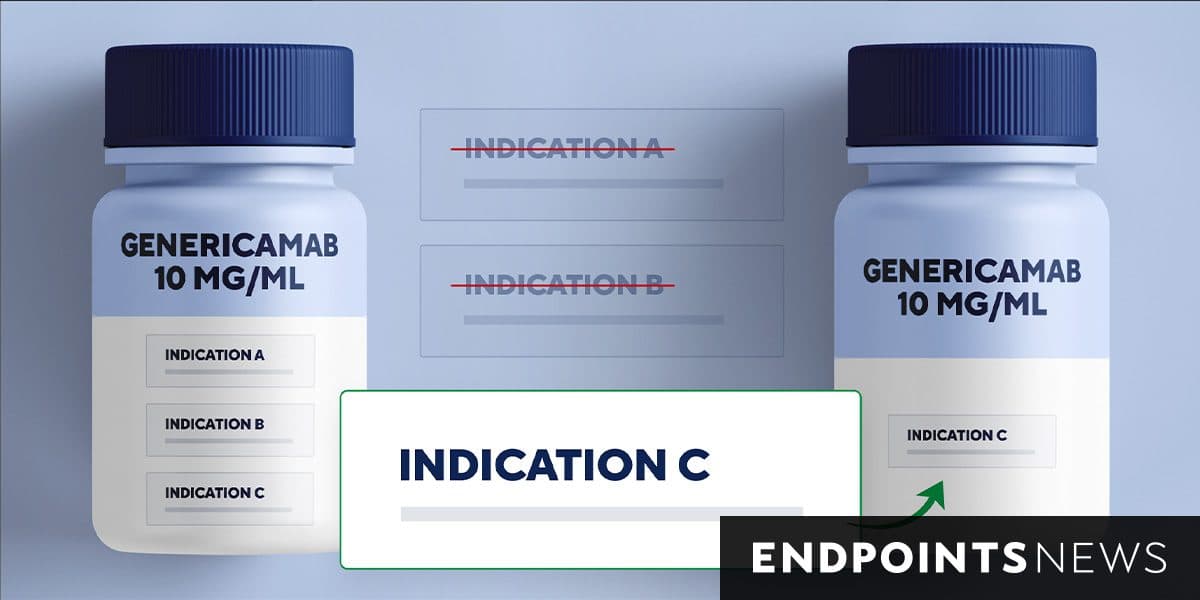
Hikma and Amarin's generic drug case heads to Supreme Court arguments
Comments
Want to join the conversation?
Loading comments...