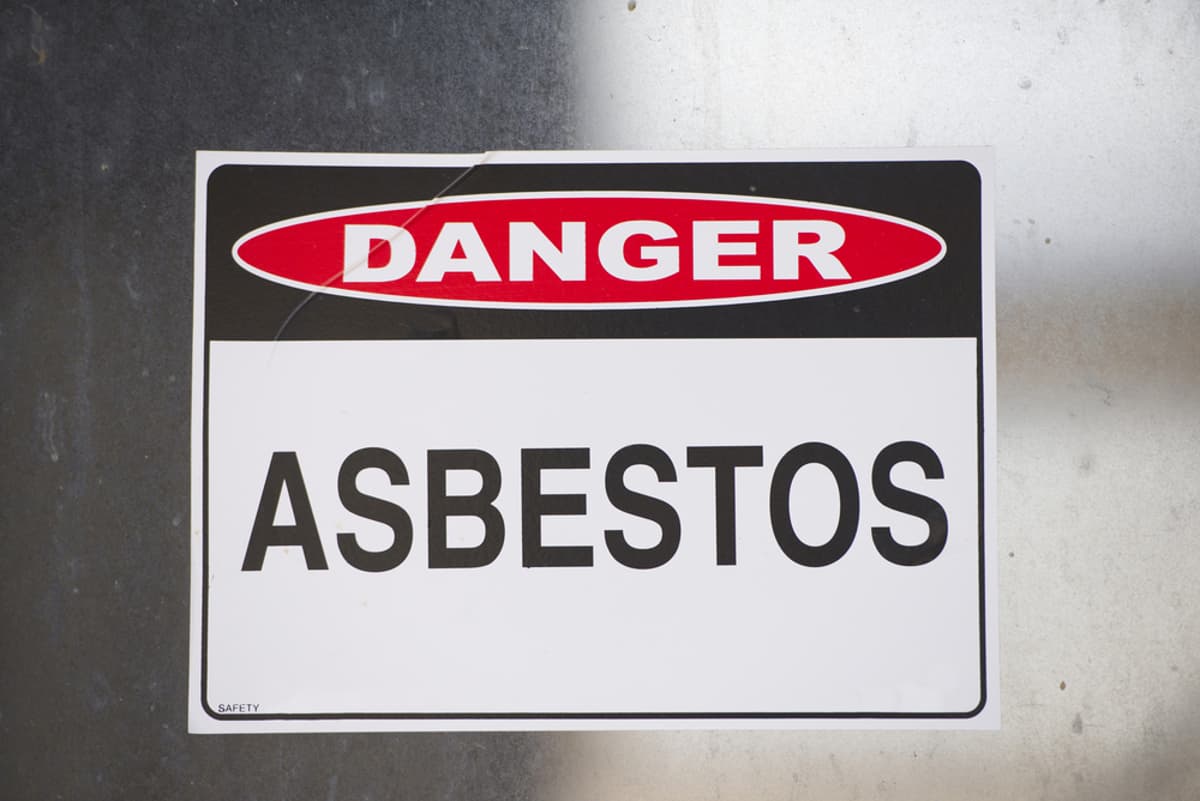
Houston Companies to Pay $200K to Workers Fired for Asbestos Concern
Why It Matters
The decision reinforces legal liability for employers who ignore asbestos safety protocols and retaliate against whistleblowers, prompting stricter compliance across the construction sector. It also signals heightened regulatory scrutiny of hazardous‑material handling, protecting worker health and corporate reputations.
Key Takeaways
- •OSHA orders reinstatement of two dismissed workers.
- •Companies must pay over $200,000 in back wages.
- •Terminations deemed retaliation under Clean Air Act.
- •Lack of asbestos training and PPE cited by employees.
- •Case underscores whistleblower protections in construction industry.
Pulse Analysis
Asbestos exposure remains one of the most regulated occupational hazards in the United States, governed by a suite of federal statutes that include the Clean Air Act, the Solid Waste Disposal Act, and the Toxic Substances Control Act. When workers flag inadequate training, missing certifications, or illegal dumping, OSHA’s investigative authority can trigger severe penalties, as demonstrated by the recent Houston case. The agency’s findings underscore that retaliation for protected complaints not only violates labor law but also endangers public health, prompting courts to award substantial back wages and punitive damages.
For construction firms, the ruling serves as a stark reminder that compliance is non‑negotiable. Companies must implement comprehensive asbestos management plans, ensure all personnel hold up‑to‑date certifications, and provide appropriate personal protective equipment. Failure to do so can result in costly litigation, loss of contracts, and damage to brand credibility. Moreover, the financial exposure—exceeding $200,000 in this instance—highlights the economic incentive for proactive safety programs, insurance underwriting adjustments, and regular OSHA audits to mitigate risk before it escalates to regulatory action.
Beyond immediate legal repercussions, the case amplifies the broader cultural shift toward protecting whistleblowers in high‑risk industries. By affirming that employees can safely raise concerns without fear of retaliation, regulators encourage a more transparent safety culture that can preempt accidents and environmental violations. Industry stakeholders, from contractors to insurers, are likely to recalibrate risk assessments, integrating whistleblower safeguards into contractual clauses and corporate governance frameworks. This evolution not only safeguards workers but also aligns with investor expectations for robust environmental, social, and governance (ESG) practices.
Houston Companies to Pay $200K to Workers Fired for Asbestos Concern


Comments
Want to join the conversation?
Loading comments...