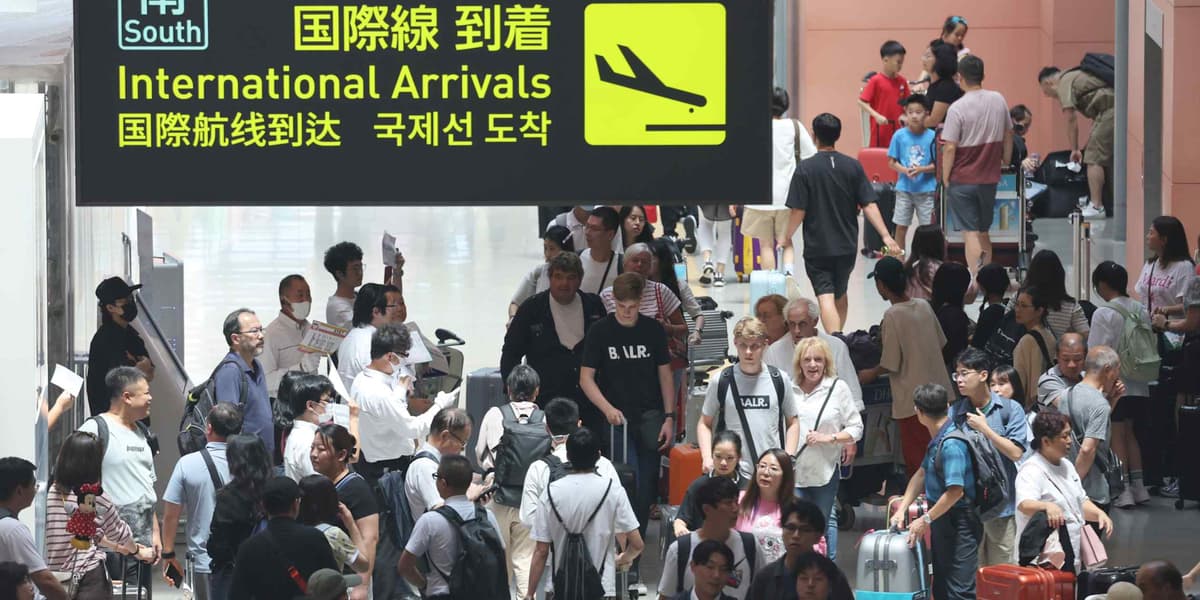
Japan Bill Requires Airlines Deny Boarding to Unauthorized Visitors
•February 22, 2026
0
Why It Matters
The policy tightens Japan's border security while streamlining entry processing, directly affecting airlines, tourism operators, and foreign residents.
Key Takeaways
- •Airlines must deny boarding without travel authorization
- •Online pre‑travel declaration required for visa‑exempt nationals
- •Fees for residence renewal capped at 100,000 yen
- •System mirrors U.S. ESTA, uses facial‑recognition gates
- •Aims to cut immigration wait times and curb illegal stays
Pulse Analysis
Japan’s upcoming immigration reform reflects a broader shift toward pre‑emptive border control, mirroring the United States’ Electronic System for Travel Authorization (ESTA). By mandating online declarations of occupation, travel purpose, and accommodation for visa‑exempt nationals, the government seeks to verify eligibility before passengers even reach the gate. Airlines, shipping firms, and other carriers will be held accountable for denying transport to anyone lacking this digital clearance, effectively moving the first line of scrutiny from the airport terminal to the point of ticket purchase.
The legislation also restructures the financial framework for foreign residents. Raising the cap on residence‑status renewal fees to 100,000 yen, and 300,000 yen for permanent‑residence permits, provides a revenue stream to sustain the new electronic screening infrastructure and associated staffing. While the fee increase is substantial compared to the current 6,000‑yen in‑person charge, the bill includes provisions for reductions or exemptions for financially vulnerable residents, balancing revenue needs with social equity concerns.
For Japan’s tourism and business sectors, the reforms promise faster immigration processing through biometric registration and automated facial‑recognition gates, addressing growing complaints about long queues at major airports. However, the added pre‑flight hurdle could deter spontaneous travel and impose operational burdens on airlines adapting to real‑time data verification. Stakeholders will watch closely as the system rolls out, gauging its impact on visitor numbers, security outcomes, and the overall competitiveness of Japan as a destination in the post‑pandemic travel landscape.
Japan bill requires airlines deny boarding to unauthorized visitors
0
Comments
Want to join the conversation?
Loading comments...