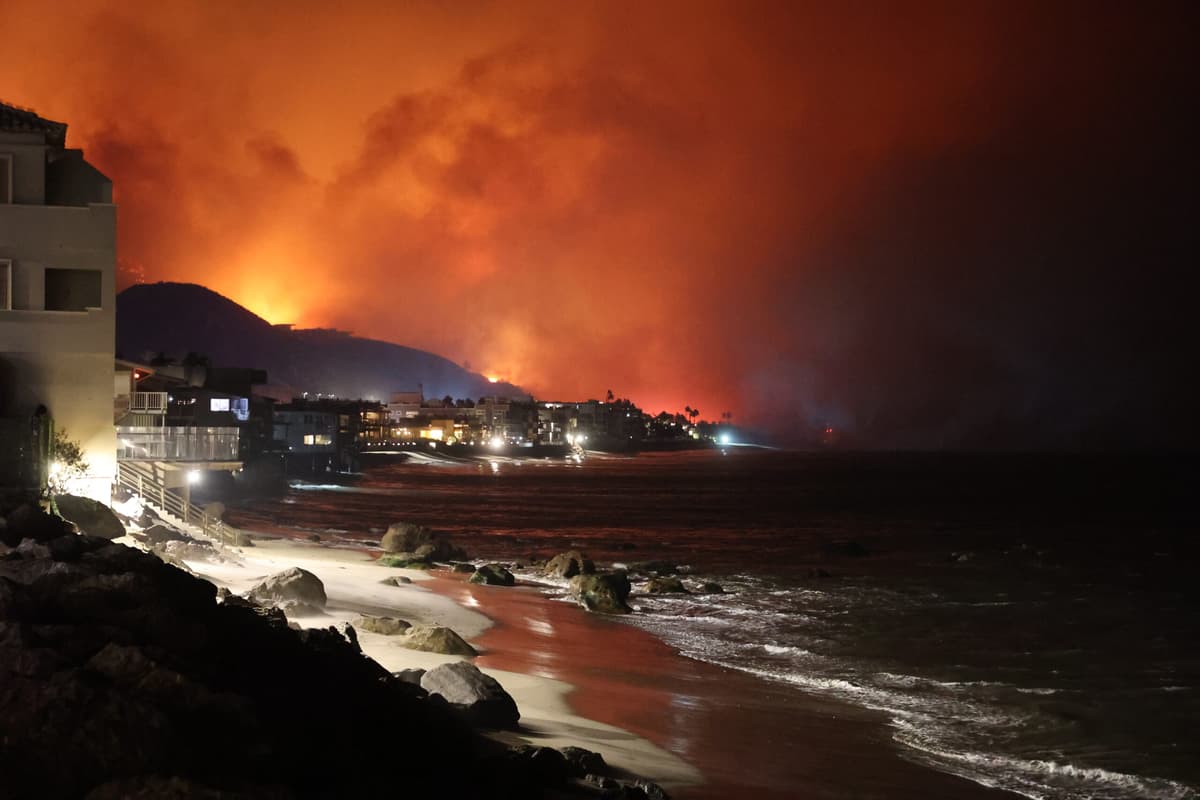
LA Fire Victims Suing City Utility for Billions Win Major Ruling
Why It Matters
The ruling exposes a major public utility to massive liability, prompting potential reforms in municipal water‑management and emergency response policies.
Key Takeaways
- •Judge cites law allowing utility negligence claims
- •Reservoir repairs reduced hydrant pressure during fire
- •Hundreds of lawsuits now viable against LA utility
- •Potential billions in damages for fire victims
- •Could trigger stricter water infrastructure oversight
Pulse Analysis
The 2025 Pacific Palisades wildfire ripped through one of Los Angeles’ most affluent coastal neighborhoods, scorching thousands of structures and generating tens of billions of dollars in property loss. While firefighters battled the blaze, many residents observed sluggish water flow from fire hydrants, a problem traced to a city reservoir that had been taken offline for routine repairs. The Department of Water and Power (LADWP), the nation’s largest publicly owned utility, has long been responsible for maintaining water pressure across the city, a duty that now sits at the center of a growing legal storm.
Judge Samantha Jessner’s ruling leans on a relatively obscure California statute that permits property owners to sue utilities for negligent water supply during emergencies. By affirming that LADWP’s decision to drain the reservoir contributed to inadequate hydrant pressure, the court creates a legal foothold for plaintiffs in the Grigsby case and dozens of similar filings. This interpretation aligns with recent trends in California courts, where utilities face heightened scrutiny after climate‑driven disasters, and it may set a precedent for holding public service providers accountable for infrastructure choices that exacerbate fire risk.
The decision opens the door to potentially billions of dollars in settlements, a financial burden that could reshape LADWP’s capital planning and force municipal governments to reevaluate water‑resource strategies. Insurers are likely to adjust fire‑related underwriting criteria, while policymakers may push for stricter reservoir management protocols and mandatory redundancy in water delivery systems. For businesses and homeowners, the ruling underscores the importance of robust emergency‑water planning and could accelerate investment in alternative suppression resources such as private water tanks and advanced fire‑break technologies.
LA Fire Victims Suing City Utility for Billions Win Major Ruling


Comments
Want to join the conversation?
Loading comments...