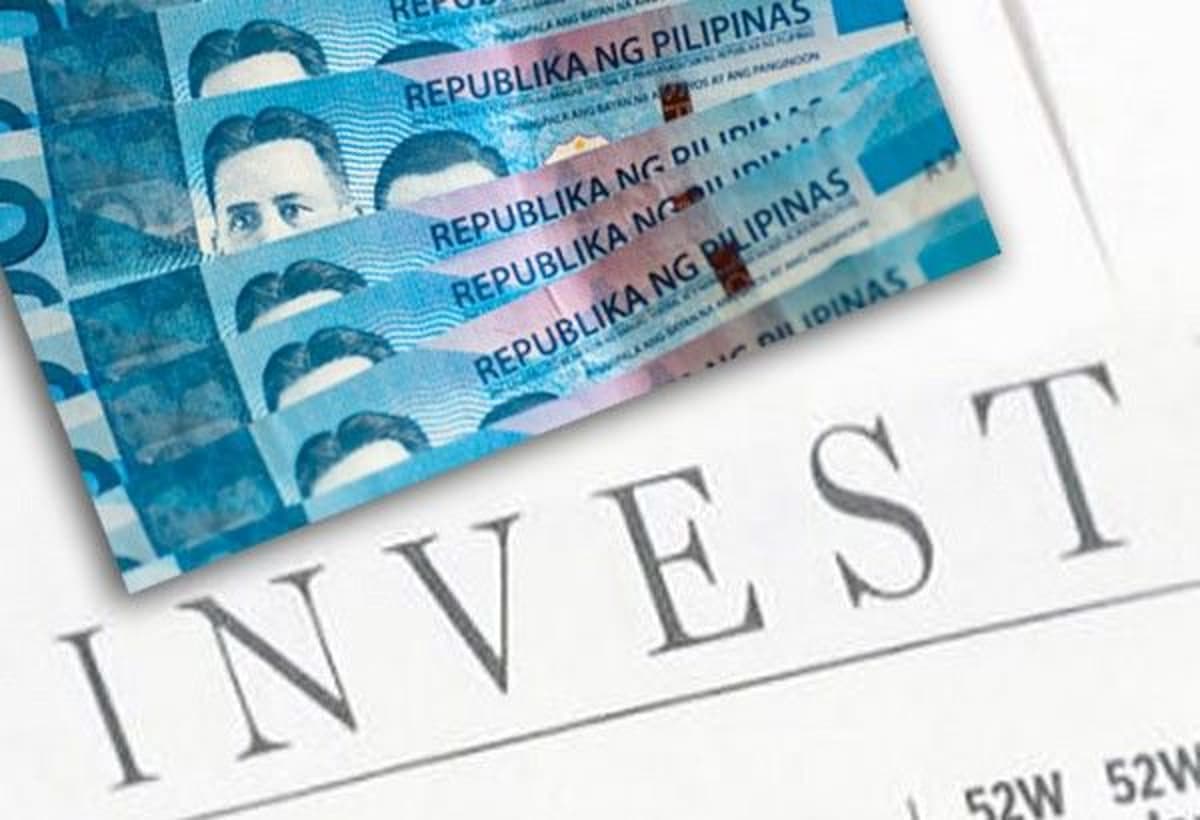
Marcos Issues Negative List for Foreign Investments
Why It Matters
The revised negative list sharpens the Philippines' investment climate, balancing national security and economic openness while signaling to global investors where opportunities and restrictions lie.
Key Takeaways
- •EO 113 replaces 2022 negative list, updating foreign investment rules
- •List A bans foreign ownership in mass media, architecture, small mining, etc
- •List B limits foreign equity to 25‑40% in most sectors
- •Up to 75% foreign ownership allowed for infrastructure lacking local expertise
- •Telecoms permit 100% foreign equity only with reciprocal treatment; otherwise 50%
Pulse Analysis
The Philippines has long used a negative list to steer foreign capital, and Executive Order 113 marks the latest recalibration. By superseding the 2022 framework, the administration aims to align investment rules with constitutional mandates and evolving economic priorities. List A codifies outright prohibitions—covering mass media, the corporate practice of architecture, and small‑scale mining—reflecting concerns over cultural sovereignty, public safety, and resource control. Meanwhile, List B introduces nuanced equity caps, ranging from 25% for defense‑related construction to 40% for retail firms with paid‑up capital under ₱25 million (approximately $455,000), renewable energy projects, and public utilities. These thresholds are designed to protect nascent domestic players while still courting strategic foreign expertise.
For multinational corporations, the revised caps reshape market entry strategies. Sectors such as advertising, retail, and renewable energy now require joint‑venture structures to stay within the 30‑40% foreign‑ownership limits, prompting investors to seek local partners with complementary capabilities. The telecom provision stands out: full foreign ownership is permissible only if the investor’s home country grants reciprocal rights to Filipino entities, otherwise a 50% ceiling applies. This reciprocity clause underscores the Philippines' push for balanced diplomatic and economic ties, potentially influencing negotiations with major telecom players from the United States, Japan, and Europe.
Regionally, the updated negative list positions the Philippines between more open economies like Singapore and more restrictive markets such as Indonesia. By easing restrictions in high‑growth areas like renewable energy and infrastructure—while retaining safeguards in sensitive sectors—the government hopes to attract capital for its ambitious development agenda. The policy’s clarity should reduce regulatory uncertainty, encouraging foreign firms to allocate resources toward long‑term projects that align with the country's growth trajectory.
Marcos issues negative list for foreign investments
Comments
Want to join the conversation?
Loading comments...