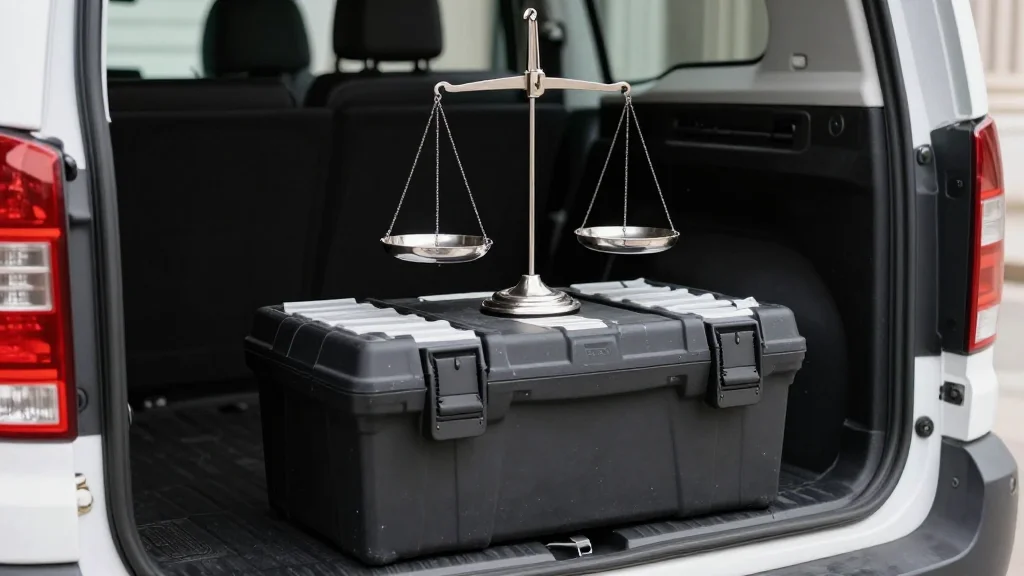
Minnesota Court: Hybrid Worker’s Injury Carrying Equipment Compensable
Why It Matters
The ruling expands workers‑compensation coverage to include non‑routine tasks tied to hybrid work, influencing employer policies and future litigation across the United States.
Key Takeaways
- •Minnesota Supreme Court applies “special errand” exception to hybrid‑work injury
- •Employee’s equipment transport deemed necessary, not ordinary commute
- •Decision may broaden workers‑comp claims for remote‑to‑office transitions
- •Employers may need clear policies on equipment handling during hybrid schedules
- •Concurring opinion cautions against over‑extending compensation for routine laptop transport
Pulse Analysis
The COVID‑19 pandemic forced many public‑sector agencies to adopt remote‑work arrangements, and the shift back to the office has created new liability questions. In *Cindy Ludwig v. Dakota County*, the Minnesota Supreme Court held that an employee who injured her back while loading county‑owned monitors, docking stations and other gear into her vehicle was entitled to workers‑compensation benefits. The court relied on the “special errand” exception, which removes the usual prohibition against compensating injuries that occur during a commute when the trip serves a work‑related purpose beyond simply traveling to the workplace.
By characterizing the equipment‑transport task as a necessary step in resuming in‑person duties, the ruling expands the scope of compensable activities for hybrid employees. Employers across the United States may need to revisit their return‑to‑office directives, ensuring that any requirement to move office assets is documented as a work‑related errand. Failure to do so could expose organizations to costly claims, especially as workers‑comp insurers scrutinize hybrid‑work policies. Legal counsel is likely to advise clearer separation between ordinary commuting and tasks that qualify under the special‑errand doctrine.
The decision also signals to courts that the line between a routine commute and a work‑driven errand is increasingly blurred in modern workplaces. While the concurring opinion warned against automatically treating everyday laptop transport as compensable, the precedent sets a benchmark for future disputes involving equipment, tools or supplies needed for hybrid schedules. Companies should consider providing on‑site staging areas or offering logistical support to mitigate injury risk. As hybrid work becomes permanent, the special‑errand exception may become a pivotal factor in workers‑comp litigation strategy.
Minnesota court: Hybrid worker’s injury carrying equipment compensable
Comments
Want to join the conversation?
Loading comments...