Suit Says Black Infants Were Subjected to Experimental Vaccine Without Consent
Why It Matters
The lawsuit highlights lingering legal and ethical consequences of past government‑run medical experiments, potentially reshaping liability standards and public trust in health institutions. It also pressures policymakers to strengthen safeguards for vulnerable populations in future research.
Key Takeaways
- •Lawsuit alleges non‑consensual RSV vaccine enrollment of two infants.
- •Both infants died within a year after receiving experimental Lot 100.
- •Autopsy tissues contributed to development of today’s RSV vaccine.
- •Trial involved at least 31 Black children from low‑income families.
- •Case revives debate over historic medical abuses and government accountability.
Pulse Analysis
The 1960s RSV trial, known as Lot 100, was one of the earliest attempts to curb a virus that still claims thousands of infant lives worldwide. Researchers at the National Institutes of Health injected the experimental vaccine into children at Washington, D.C., clinics, bypassing informed‑consent protocols that were already emerging in medical ethics circles. While the trial ultimately supplied critical lung tissue that accelerated modern RSV vaccine development, the lack of transparency and the disproportionate enrollment of Black, low‑income infants have become a stark reminder of how scientific ambition can eclipse basic human rights.
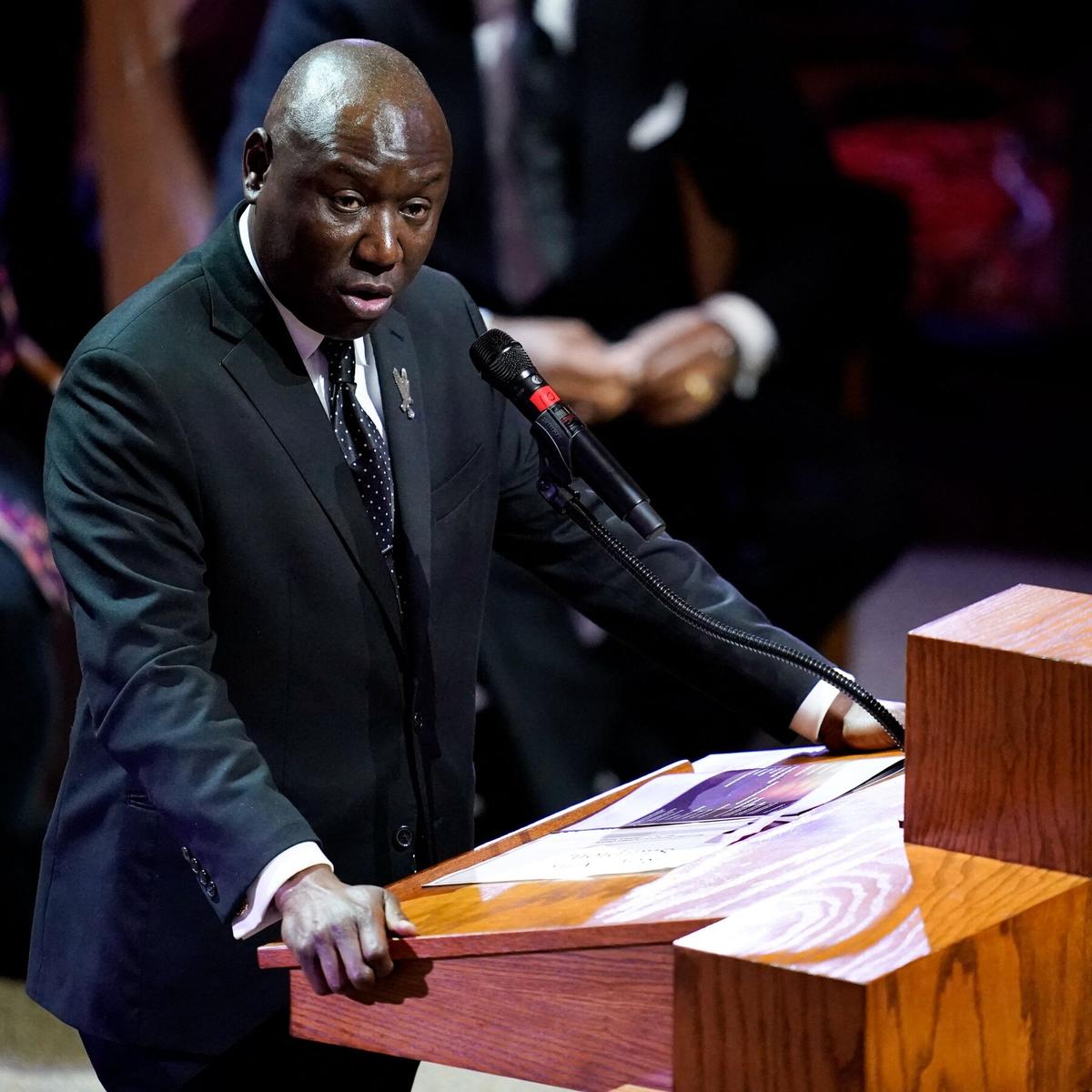
The newly filed lawsuit, led by civil‑rights attorney Ben Crump, accuses the federal government of wrongful death, civil battery, and violations of informed‑consent standards. Although the plaintiffs seek an unspecified monetary award, the case’s real weight lies in its potential to set precedent for holding government agencies accountable for historic research misconduct. Courts may have to grapple with statutes of limitations, sovereign immunity, and the evidentiary challenges of decades‑old records, while also considering the broader moral imperative to acknowledge and remediate past harms.
Beyond the courtroom, the suit reignites a national conversation about trust in public‑health institutions. As biotech firms race to develop vaccines for emerging pathogens, robust oversight mechanisms and community‑engaged consent processes are essential to avoid repeating past mistakes. The RSV case underscores the need for transparent data sharing, equitable trial recruitment, and clear pathways for restitution when ethical lines are crossed, shaping how future medical research will be conducted and perceived by historically marginalized communities.
Suit Says Black Infants Were Subjected to Experimental Vaccine Without Consent
Comments
Want to join the conversation?
Loading comments...