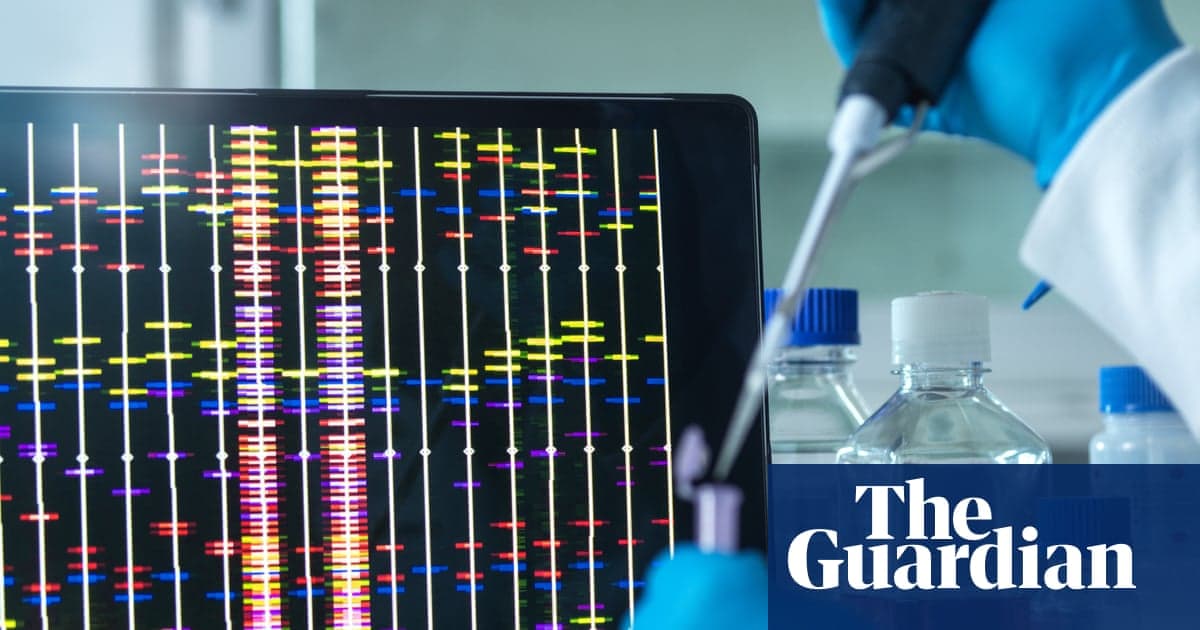
We Can Prove Which Twin Fathered the Child in This Paternity Dispute | Letter
Companies Mentioned
Why It Matters
Accurate twin‑paternity testing can resolve complex family‑law disputes and opens a new revenue stream for forensic genomics firms, reshaping how courts handle DNA evidence.
Key Takeaways
- •Molecular tests can differentiate germ cells of identical twins.
- •Feasibility proven in 2018 study using high‑throughput sequencing.
- •Testing costs run in five‑figure range (≈ $10,000‑$99,999).
- •Courts may need to reconsider rulings on twin paternity cases.
- •Forensic genomics market could grow with specialized twin‑paternity assays.
Pulse Analysis
Advances in next‑generation sequencing have revealed subtle somatic mutations that accumulate even in monozygotic twins. By sequencing thousands of loci in sperm DNA, scientists can construct a genetic fingerprint unique to each twin’s germ line, a technique first outlined in 2012 and validated in a 2018 proof‑of‑concept study. This capability overturns the long‑standing legal assumption that identical twins are genetically indistinguishable for paternity purposes, offering a scientifically robust pathway to assign biological parentage with high confidence.
The legal ramifications are immediate. Family‑law courts, which have traditionally relied on standard STR profiling, now face pressure to admit high‑resolution genomic evidence when disputes involve identical twins. While the test’s price—estimated in the five‑figure range—poses a barrier, the potential to prevent wrongful custody outcomes and reduce prolonged litigation may justify the expense. Judges must weigh the societal cost of unresolved paternity claims against the financial outlay required for cutting‑edge testing.
From a market perspective, the emergence of twin‑specific paternity assays creates a niche for biotech firms specializing in forensic genomics. As sequencing costs continue to decline, providers can offer tiered pricing models, making the service accessible to public‑defender offices and private litigants alike. Investment in assay development and validation is likely to accelerate, spurring competition and driving innovation in ultra‑high‑resolution DNA analysis. In the longer term, this technology could extend to broader applications such as organ‑donor matching and personalized medicine, further expanding its commercial appeal.
We can prove which twin fathered the child in this paternity dispute | Letter
Comments
Want to join the conversation?
Loading comments...