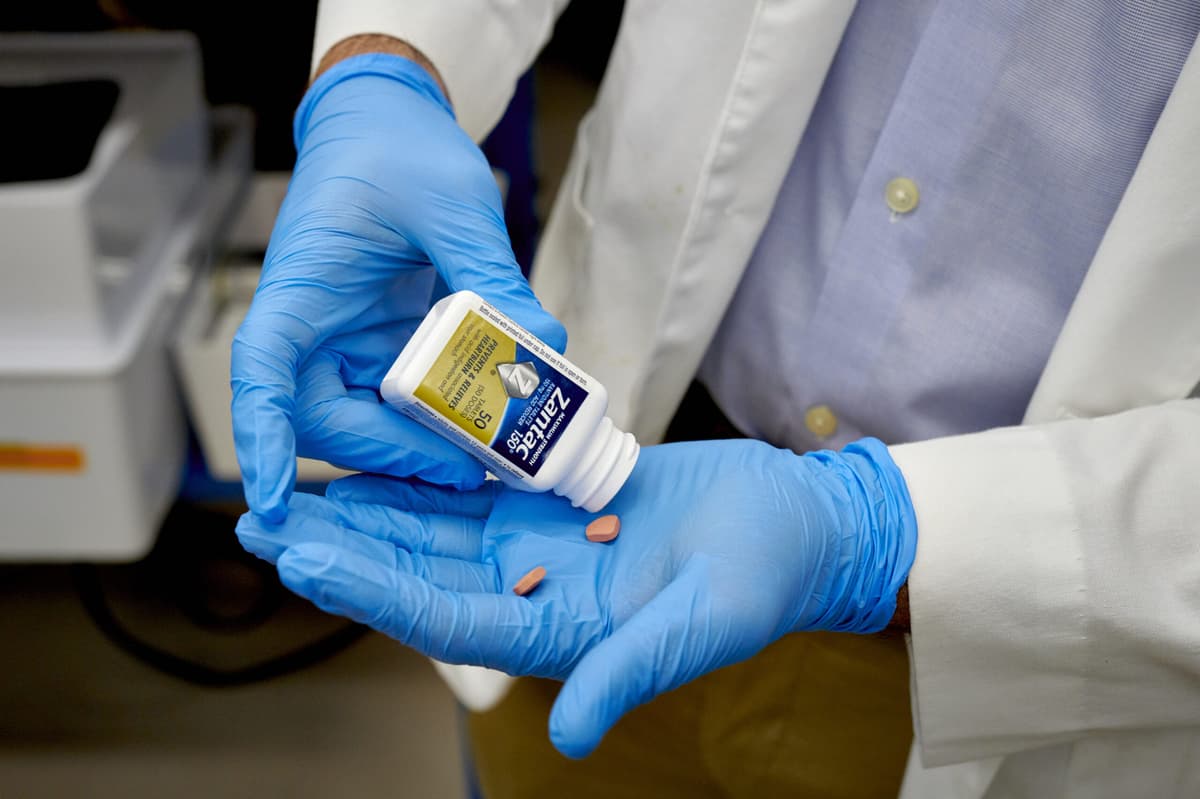
Zantac Suits Tossed by Delaware Judge for Flawed Cancer Link
Companies Mentioned


Why It Matters
The dismissal sharply reduces litigation exposure for major drugmakers and signals that courts are demanding stronger scientific proof in product‑liability claims. It also influences settlement strategies and may deter future suits against ranitidine‑based products.
Key Takeaways
- •Delaware judge dismisses all Zantac cancer suits for lack of evidence
- •GSK settled over 90% of its cases, paying >$2 billion
- •Sanofi says remaining Delaware cases are resolved without liability
- •Federal judge in Florida previously tossed 50,000 Zantac suits
- •California and Illinois courts still permit Zantac trials
Pulse Analysis
The Zantac saga illustrates how a single drug can become a legal quagmire spanning decades. After the FDA forced a 2020 market withdrawal of ranitidine products over concerns that the compound could form the carcinogen NDMA, manufacturers reformulated and re‑launched the medication. Yet the shadow of potential cancer risk spurred a wave of consumer lawsuits, culminating in tens of thousands of claims across state and federal courts. While some jurisdictions, like Florida, have already dismissed the suits on scientific grounds, others have allowed cases to proceed, creating a fragmented litigation landscape.
The recent Delaware ruling by Judge Francis "Pete" Jones adds a pivotal piece to this puzzle. By rejecting the plaintiffs' causation arguments and denying a procedural “mulligan,” the court effectively ends Zantac litigation in the state. This outcome aligns with the broader trend of courts demanding rigorous epidemiological evidence before allowing product‑liability claims to move forward. For the pharmaceutical giants involved—Sanofi, GSK, Pfizer and Boehringer—the decision curtails legal costs and shields revenue streams, especially after GSK’s $2 billion settlement spree that resolved the bulk of its exposure.
Looking ahead, the Zantac case may reshape how regulators and companies approach risk communication for over‑the‑counter drugs. The mixed rulings across states underscore the importance of consistent scientific data and proactive compliance strategies. As appellate courts, including the 11th U.S. Circuit, continue to weigh the merits of the Florida MDL findings, the industry watches closely for precedents that could either embolden future claims or reinforce the evidentiary bar for cancer‑related product lawsuits. Companies may increasingly favor settlement to avoid protracted litigation, but the Delaware dismissal suggests that a solid scientific defense can also be a decisive weapon.
Zantac Suits Tossed by Delaware Judge for Flawed Cancer Link
Comments
Want to join the conversation?
Loading comments...