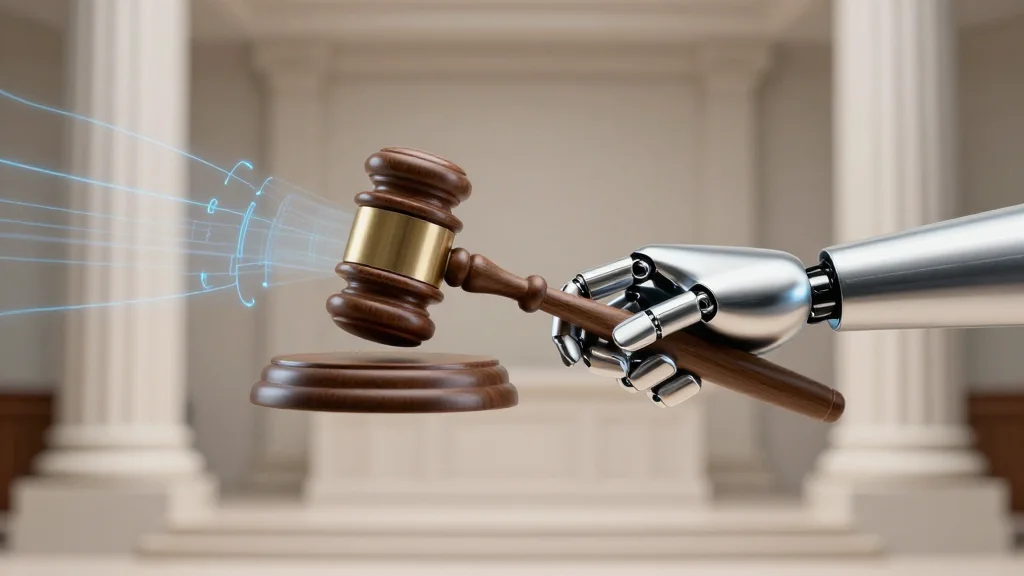
Agentic AI Liability: Managing Accountability in Autonomous Legal Workflows
Key Takeaways
- •Agentic AI performs end‑to‑end legal tasks with minimal human input.
- •Lawyers remain liable; autonomy shifts risk from single output to entire workflow.
- •Firms adopt audit logs, validation checkpoints, and scope controls for governance.
- •Insurance carriers may limit coverage for high‑autonomy AI deployments.
- •Bar rules demand competence and supervision regardless of AI autonomy.
Pulse Analysis
The legal industry is witnessing a transition from generative chat‑based tools to agentic artificial intelligence that can act independently across entire case lifecycles. Unlike traditional AI that merely produces text in response to prompts, these agents execute sequences of decisions, file motions, and manage discovery without continuous human direction. This evolution promises dramatic efficiency gains, but it also introduces a new class of operational risk that mirrors the challenges seen in other high‑autonomy sectors such as finance and healthcare.
Professional responsibility rules do not excuse lawyers from liability simply because an algorithm performed the work. The ABA Model Rules on competence, supervision, and non‑lawyer assistance still apply, yet the nature of oversight must evolve. Errors can now propagate through a workflow, affecting dozens of matters before detection, which complicates documentation and defense strategies. Malpractice insurers are reacting by drafting exclusions for high‑autonomy use cases and demanding proof of robust governance, making risk management a critical component of AI adoption.
Forward‑thinking firms are establishing comprehensive governance frameworks that treat agentic AI like a junior associate. Practices include real‑time monitoring dashboards, detailed audit trails, predefined escalation triggers, and strict prompt‑engineering protocols to keep agents within intended boundaries. Contracts with AI vendors now often contain audit rights, explainability clauses, and shared‑responsibility language. As courts and bar associations begin to address autonomy explicitly, firms that embed these guardrails early will capture the technology’s benefits while minimizing exposure to malpractice claims and regulatory scrutiny.
Agentic AI Liability: Managing Accountability in Autonomous Legal Workflows
Comments
Want to join the conversation?