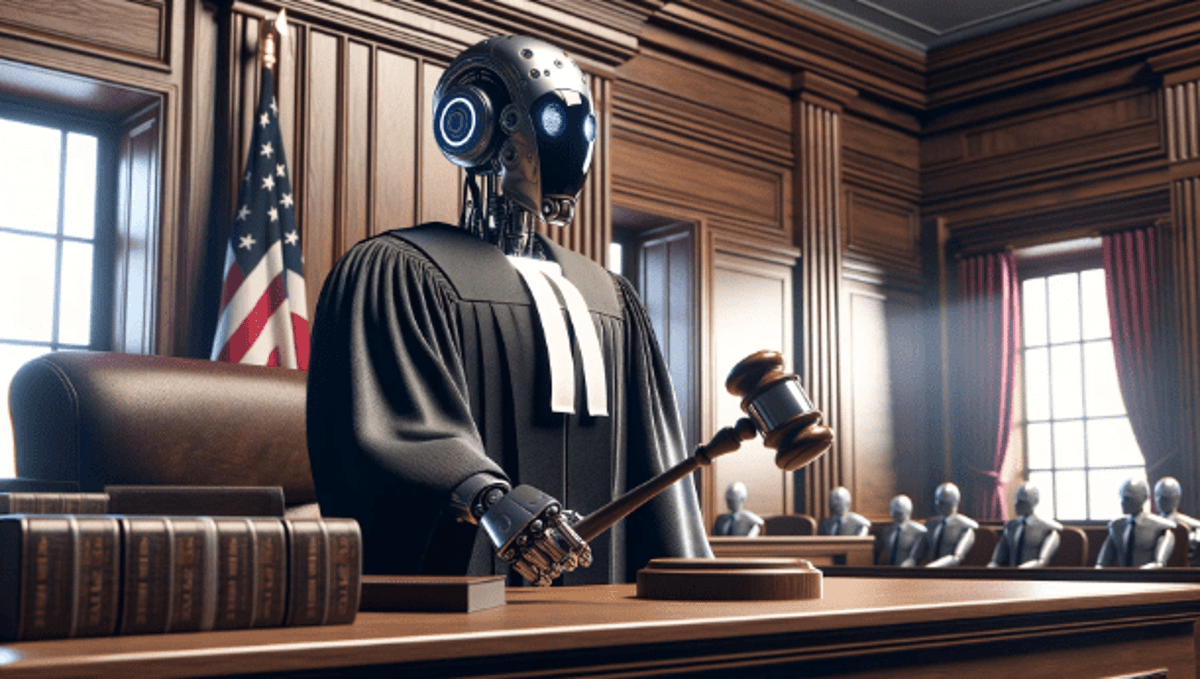
AI Is Not a Substitute for Good Lawyering, Says Court: EDiscovery Case Law
Key Takeaways
- •Judge rules AI cannot replace attorney judgment in discovery disputes
- •Plaintiff’s counsel used AI‑generated list without independent legal analysis
- •Court emphasizes meet‑and‑confer requirement before filing AI‑based objections
- •Ruling signals heightened scrutiny of AI tools in U.S. litigation
Pulse Analysis
The rapid adoption of generative AI in eDiscovery has transformed how legal teams sift through massive data sets, promising speed and cost savings. Yet, the technology’s output is only as reliable as the prompts and data fed into it, and it lacks the nuanced legal reasoning that attorneys provide. Courts are beginning to draw the line between permissible assistance and improper substitution, reminding practitioners that AI should augment, not replace, professional judgment.
In the White v. Walmart case, Judge Tim Baker detailed why the plaintiff’s AI‑driven approach fell short. By copying AI‑identified deficiencies directly into an email without independent verification, counsel bypassed the meet‑and‑confer obligation and failed to assess materiality. The judge’s order for supplemental discovery by a specific deadline reinforces that AI‑generated insights must be filtered through a lawyer’s analytical lens before being used to support motions or objections. This ruling serves as a cautionary tale for firms that may be tempted to automate dispute identification without proper oversight.
Looking ahead, the decision is likely to shape eDiscovery best practices across the United States. Law firms will need to implement robust validation protocols, ensuring that any AI‑produced findings are reviewed, contextualized, and documented by qualified attorneys. Training programs should stress the ethical duty to maintain independent judgment, while technology vendors may be called upon to provide audit trails and transparency features. Ultimately, the balance between efficiency gains and professional responsibility will define how AI integrates into litigation strategy, with courts poised to enforce that balance rigorously.
AI is Not a Substitute for Good Lawyering, Says Court: eDiscovery Case Law
Comments
Want to join the conversation?