The Mobile-AI Gap: The Problem in Legal Tech No One Is Talking About
•March 3, 2026
0
Key Takeaways
- •86% rely on smartphone/tablet as primary device away desk
- •75% access AI mainly on laptop/desktop
- •Only 20% use AI primarily on smartphone
- •Mobile‑AI mismatch hampers real‑time legal reasoning
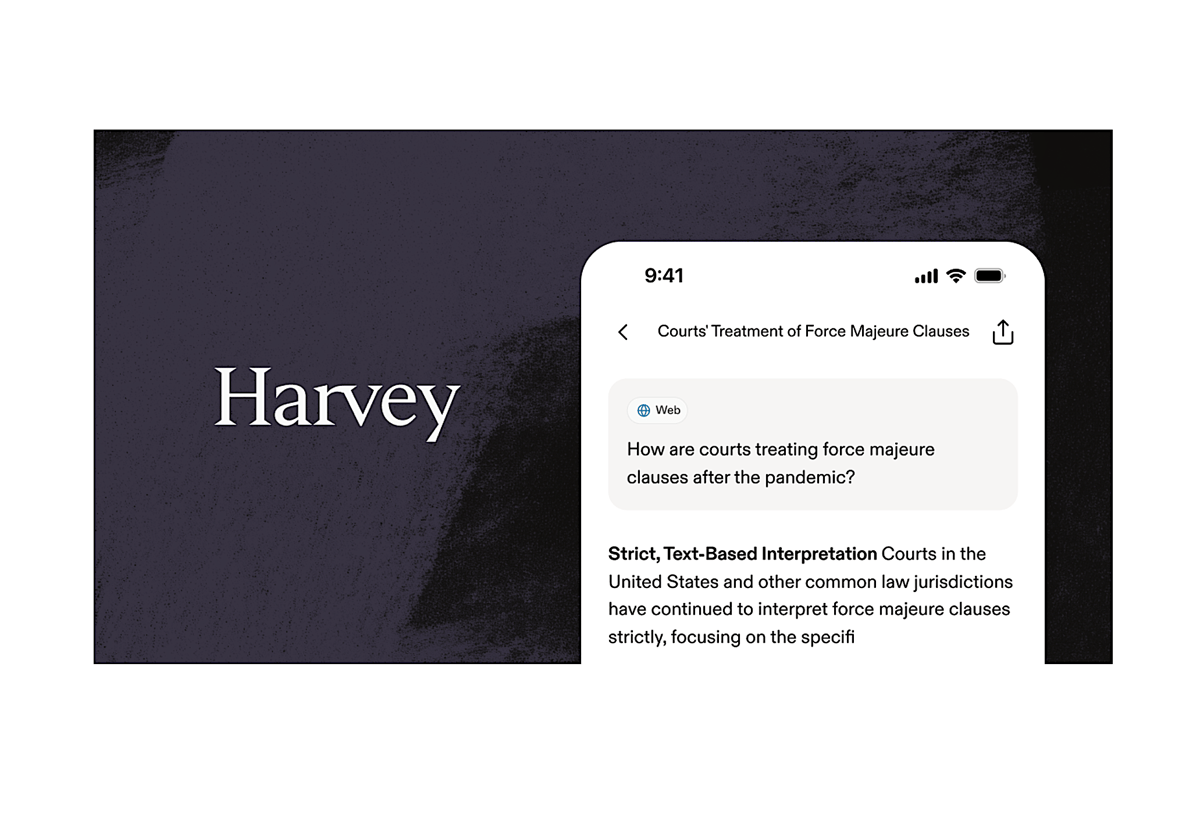
- •Harvey Mobile brings AI to iOS/Android for continuous workflow
Summary
Law firms and in‑house teams are now using generative AI daily, yet most AI interactions still occur on laptops. A Harvey‑commissioned study of 200 lawyers shows 86% rely on smartphones or tablets away from the desk, while 75% access AI primarily on desktop computers. Only 20% use AI on smartphones, creating a mobile‑AI gap that fragments workflow. Harvey’s new mobile app brings secure, legal‑grade AI to iOS and Android, aiming to restore continuity across devices.
Pulse Analysis
The legal profession has undergone a rapid mobility transformation. Recent surveys reveal that 86% of lawyers now consider a smartphone or tablet their primary device when away from a desk, and 89% check messages outside regular hours. This shift reflects a broader trend toward hybrid and remote work, where client interactions, negotiations, and internal collaborations happen across multiple locations and devices. Yet the technology stack that supports these activities remains anchored to static, desktop‑centric solutions, creating friction for practitioners who need instant access to information.
At the same time, generative AI has become a staple in legal research, drafting, and issue‑spotting, with 80% of lawyers using it weekly. However, the same study shows a stark disparity: 75% of AI usage occurs on laptops, while merely 20% happens on smartphones. This mobile‑AI gap means that lawyers often have to return to a desk to leverage AI’s analytical power, disrupting the flow of work and diminishing the real‑time benefits AI can provide. The result is a fragmented workflow where communication is mobile but deep analysis remains stationary, limiting efficiency and increasing cognitive load.
Harvey’s mobile application directly addresses this disconnect by delivering secure, legal‑grade AI capabilities to iOS and Android devices. Features such as dictation, scan‑to‑upload, Vault search, and synced matter history enable lawyers to conduct research, generate summaries, and retrieve context while on the move. By extending AI into the mobile sphere, firms can achieve continuous workflow, faster decision‑making, and higher client satisfaction. As the industry embraces mobile‑first strategies, providers that integrate AI seamlessly across devices are poised to lead the next wave of legal tech innovation.
Comments
Want to join the conversation?