Key Takeaways
- •Litigation workspaces centralize all dispute data in a single secure platform
- •AI extracts timelines, inconsistencies, and answers evidence queries in seconds
- •In‑house counsel gains strategic visibility, reducing external legal spend
- •TrialView automates bundle creation and supports live hearings with transcription
Pulse Analysis
The legal technology market has long been dominated by contract lifecycle management, while dispute resolution lagged behind. Traditional litigation relied on scattered emails, shared folders, and manual document review, creating knowledge loss whenever teams changed. A dedicated litigation workspace fills that operational gap by providing a purpose‑built environment that houses instructions, disclosures, witness statements, expert reports, and correspondence in one place. This continuity shortens onboarding from weeks to hours and gives general counsel real‑time insight into every active matter, turning a historically reactive function into a manageable, measurable process. Artificial intelligence is the catalyst that makes a true end‑to‑end workspace viable.
Modern platforms ingest the entire document corpus, automatically generate chronologies, flag contradictions between witness testimony and source files, and answer natural‑language questions in seconds. By delivering case intelligence on demand, in‑house teams can conduct their own evidence analysis rather than waiting for external counsel’s reports. The result is faster decision‑making, reduced reliance on costly human review, and higher accuracy in identifying critical facts. AI‑driven insights also support compliance with court‑mandated formats, accelerating bundle creation from days to minutes.
The shift reshapes the general counsel’s role from gatekeeper to strategic orchestrator. With shared visibility, in‑house lawyers can set AI governance policies, steer dispute strategy, and collaborate with external firms as true partners rather than mere service providers. This tighter integration promises lower billable hours, more predictable budgets, and preserved institutional knowledge even as personnel turnover occurs. Vendors like TrialView are already seeing growing adoption among multinational corporations seeking to modernize their disputes function. As AI continues to mature, the litigation workspace is poised to become a standard component of the corporate legal stack.
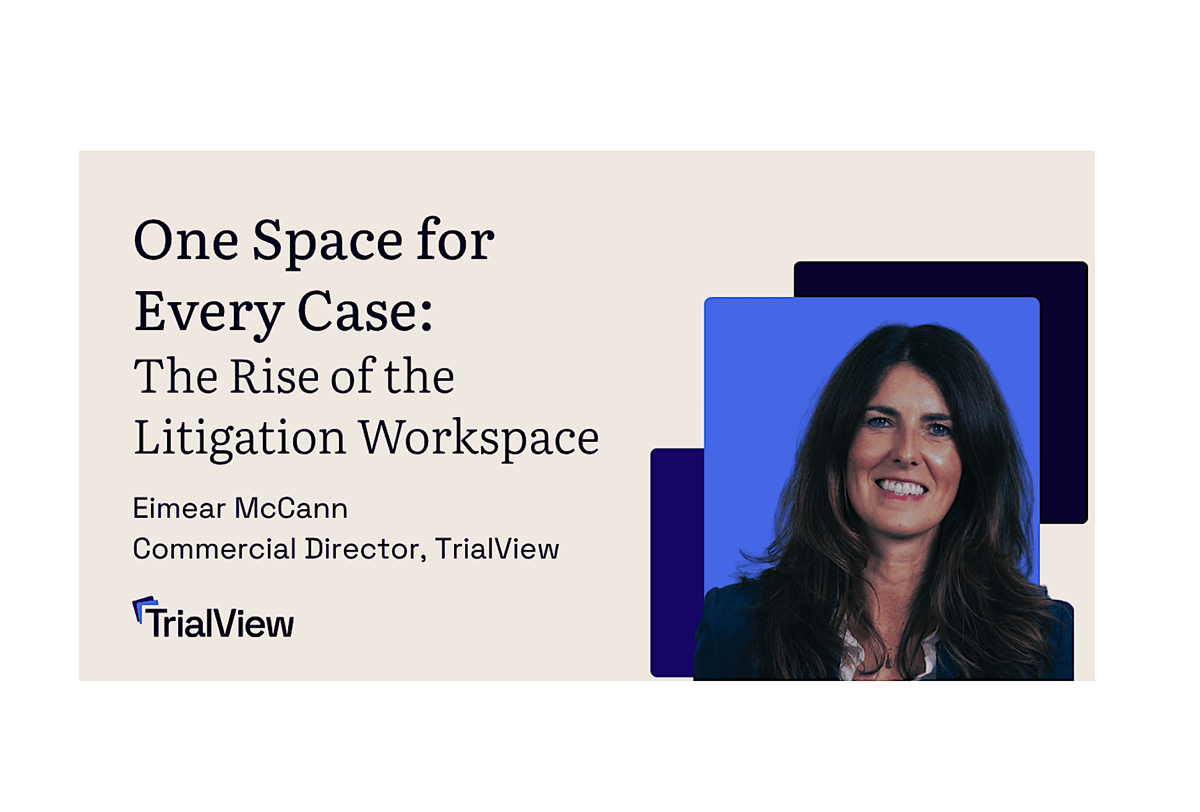
The Rise of the Litigation Workspace
Comments
Want to join the conversation?