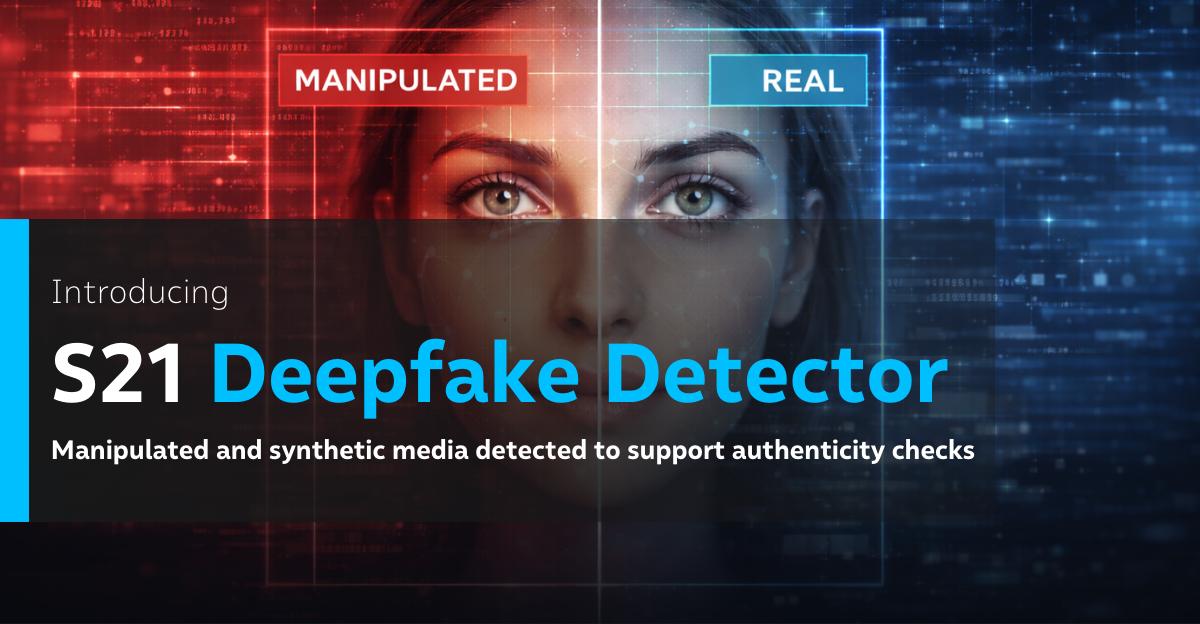
In The Age Of Synthetic Media, Authenticity Can No Longer Be Assumed
•February 16, 2026
0
Why It Matters
Authenticity assessment is now a core requirement for investigations, and the detector speeds decisions while maintaining explainability, reducing risk of delayed action.
Key Takeaways
- •S21 Deepfake Detector now standalone product.
- •Analyzes images and video frames for manipulation indicators.
- •Provides confidence scores, not binary verdicts.
- •Operates offline, integrates with existing tools.
- •Aims to speed investigative decisions in synthetic media era.
Pulse Analysis
The rapid rise of AI‑generated images and videos has turned authenticity into a scarce commodity for law‑enforcement, child‑safety, and fraud‑prevention legal teams. Synthetic media can be re‑encoded, stripped of metadata, and shared across platforms, making traditional verification methods unreliable. As investigators confront deepfakes in CSAM cases, extremist propaganda, and financial scams, delays in confirming reality translate into missed opportunities and heightened risk. Consequently, the industry is shifting from occasional forensic reviews to routine authenticity checks embedded in every investigative workflow across jurisdictions.
Semantics 21’s new S21 Deepfake Detector answers that demand by delivering a standalone, offline forensic engine that evaluates individual images and video frames against multiple manipulation signatures. Rather than issuing a simple true/false label, the tool returns confidence‑based scores that highlight which forensic indicators triggered the assessment, preserving analyst discretion. Its plug‑and‑play design requires no changes to existing case‑management systems, and the user interface presents results in a clear, explainable format. By operating locally, the solution also safeguards sensitive evidence from cloud exposure for sensitive investigations by keeping analysis in‑house.
The release marks a turning point for digital forensics, signaling that authenticity assessment is becoming a baseline capability rather than a niche specialty. Organizations that adopt S21 Deepfake Detector can accelerate case triage, reduce reliance on external experts, and maintain chain‑of‑custody integrity by keeping analysis in‑house. As synthetic media techniques evolve, the market will likely see a wave of similar confidence‑oriented, explainable tools that complement human judgment. Early adopters stand to gain a competitive edge in safeguarding operations, while regulators may look to such technology as a benchmark for evidentiary standards and aligns with emerging global compliance frameworks.
In The Age Of Synthetic Media, Authenticity Can No Longer Be Assumed
0
Comments
Want to join the conversation?
Loading comments...